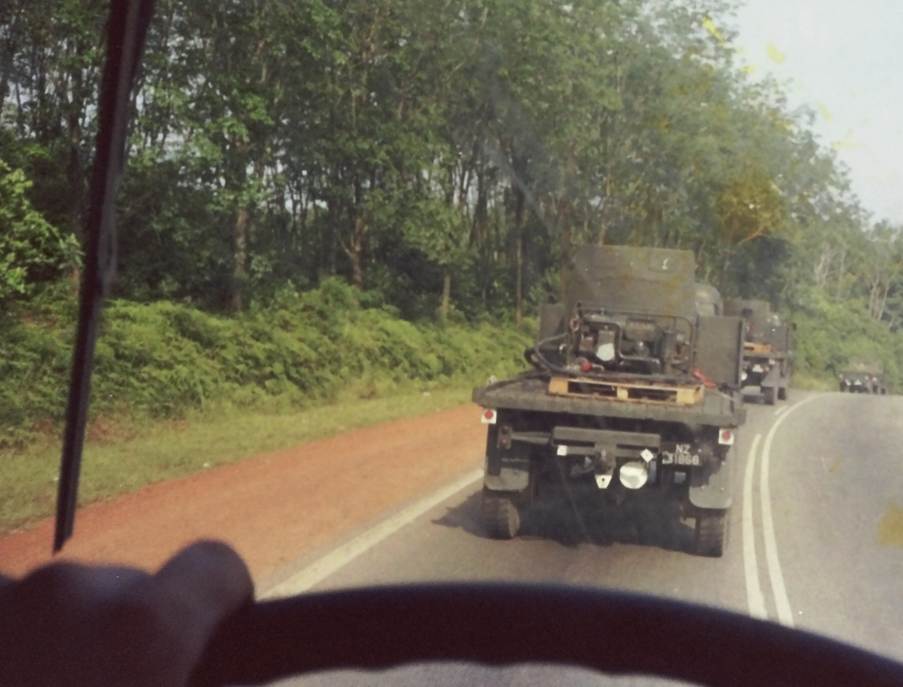
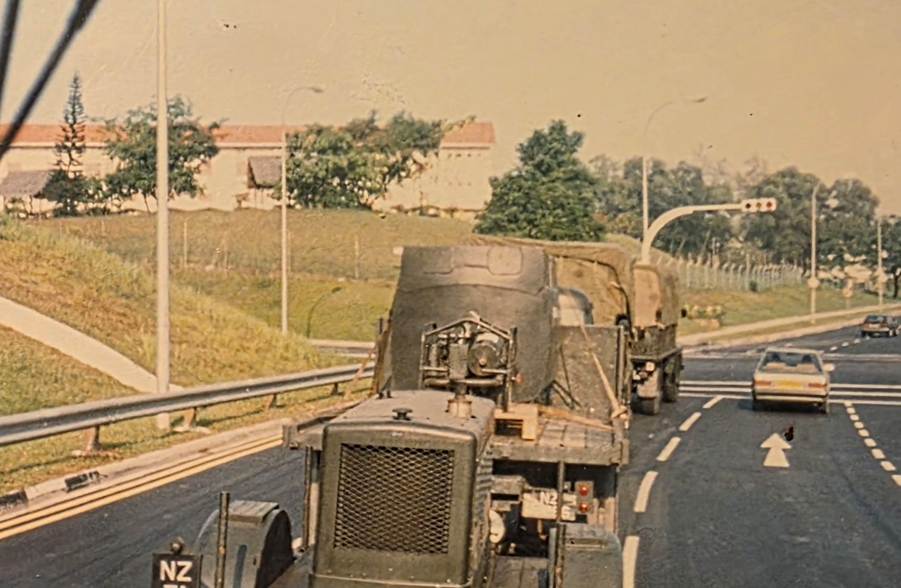
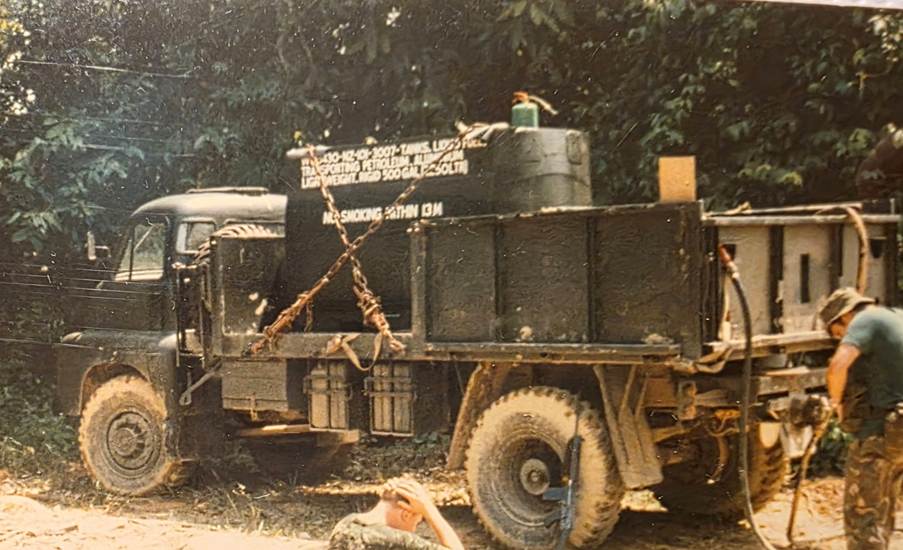
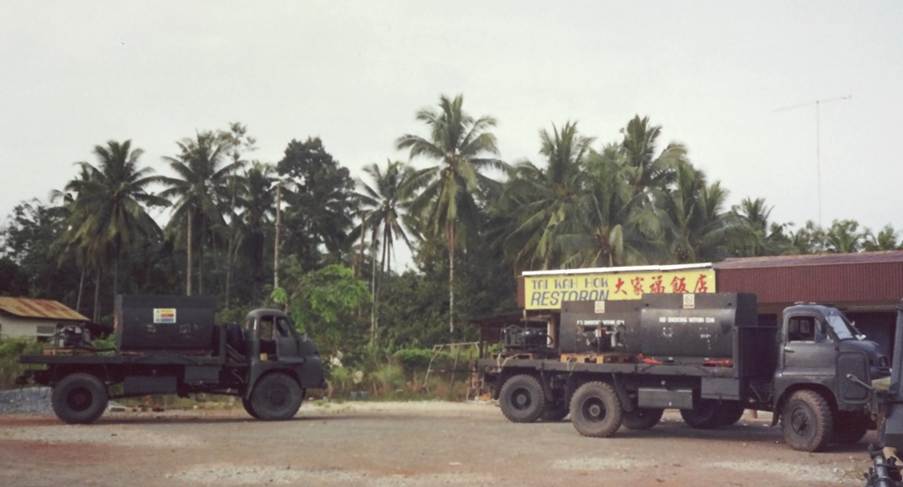
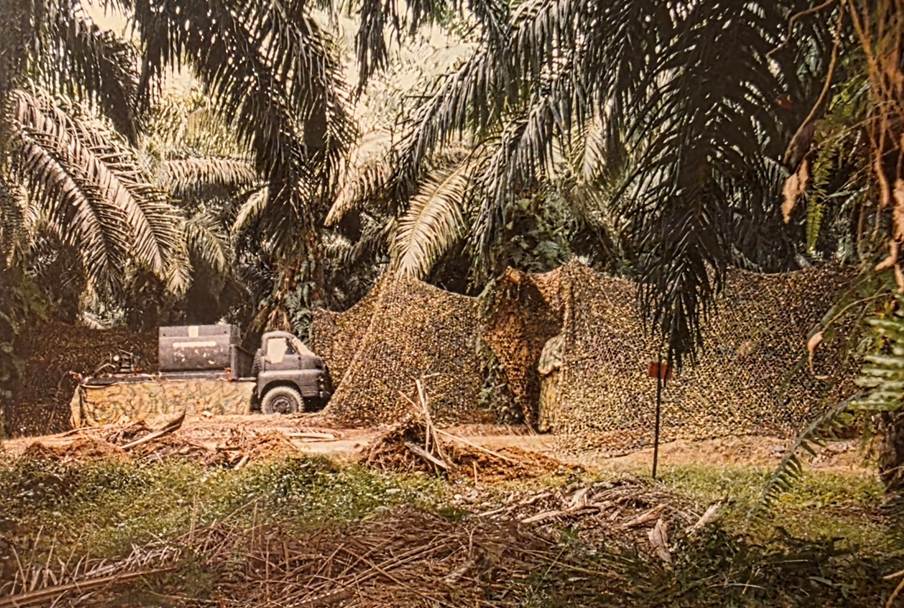
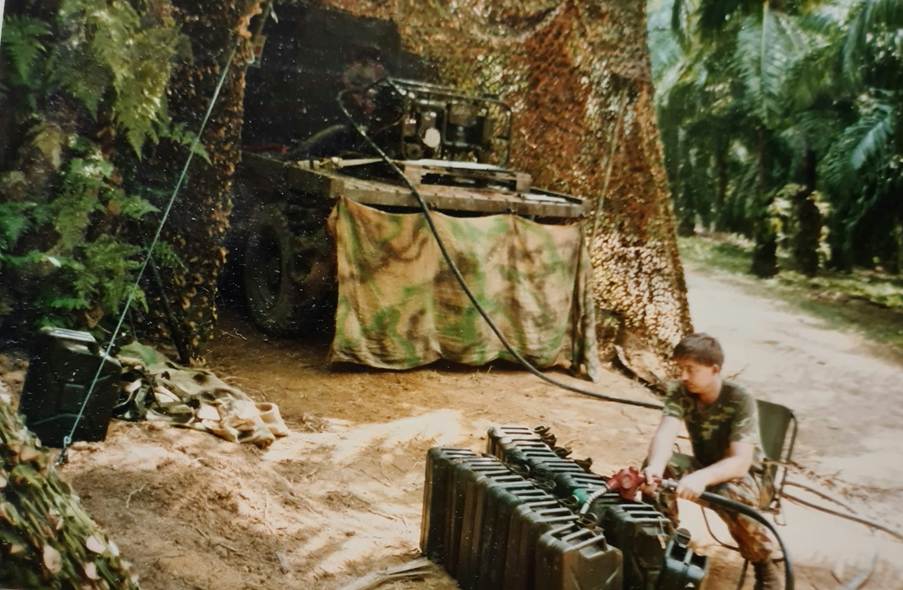
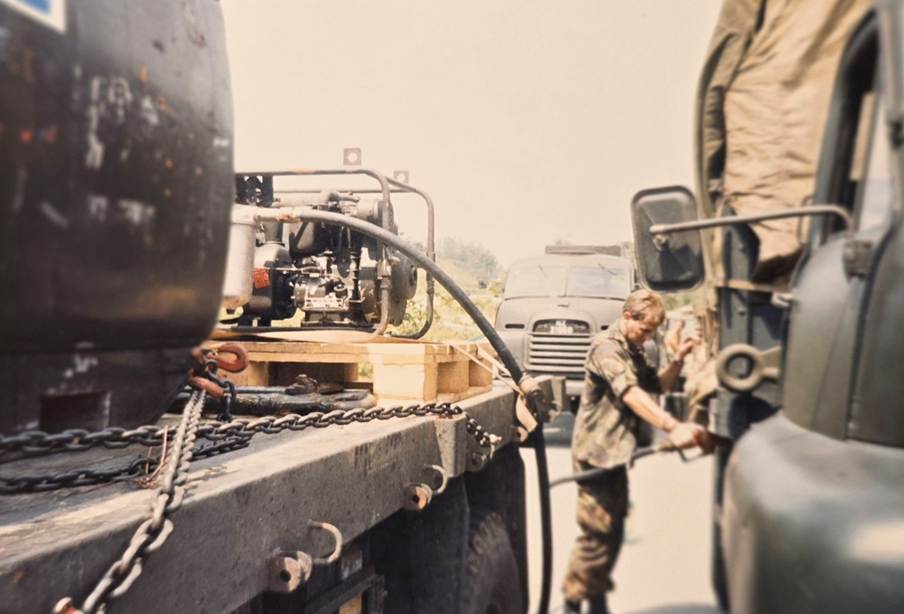
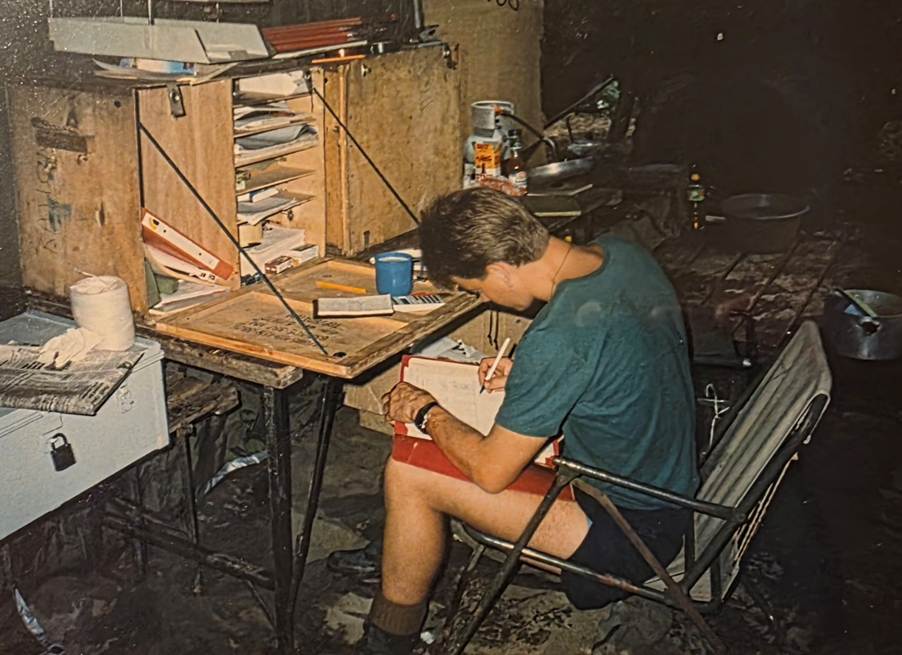
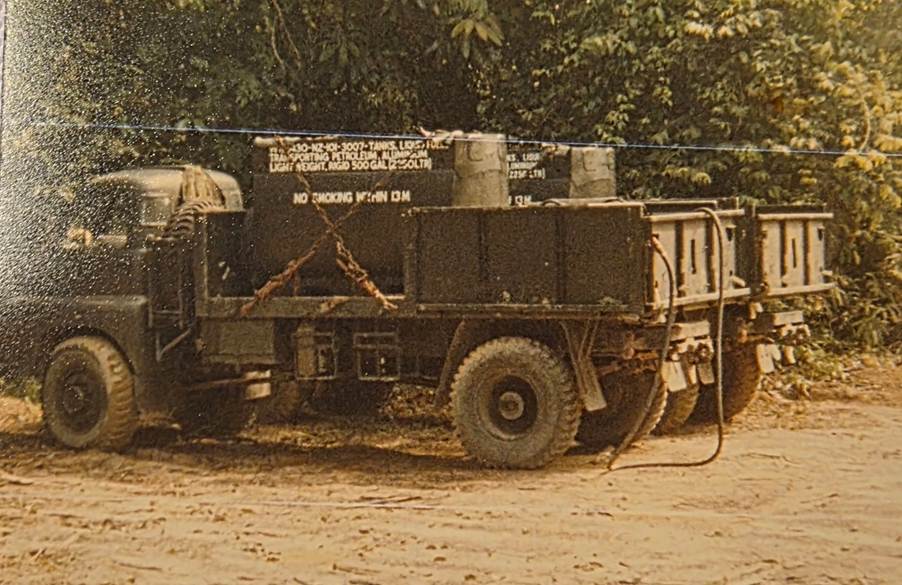
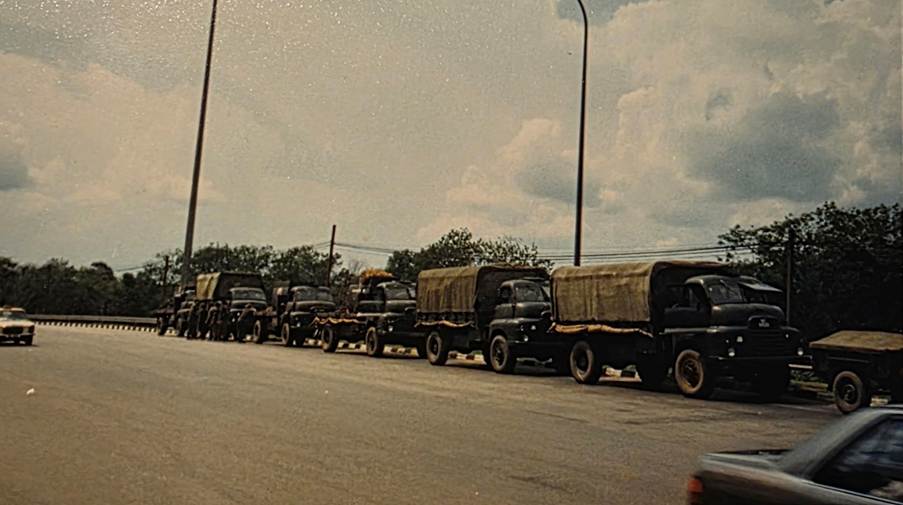
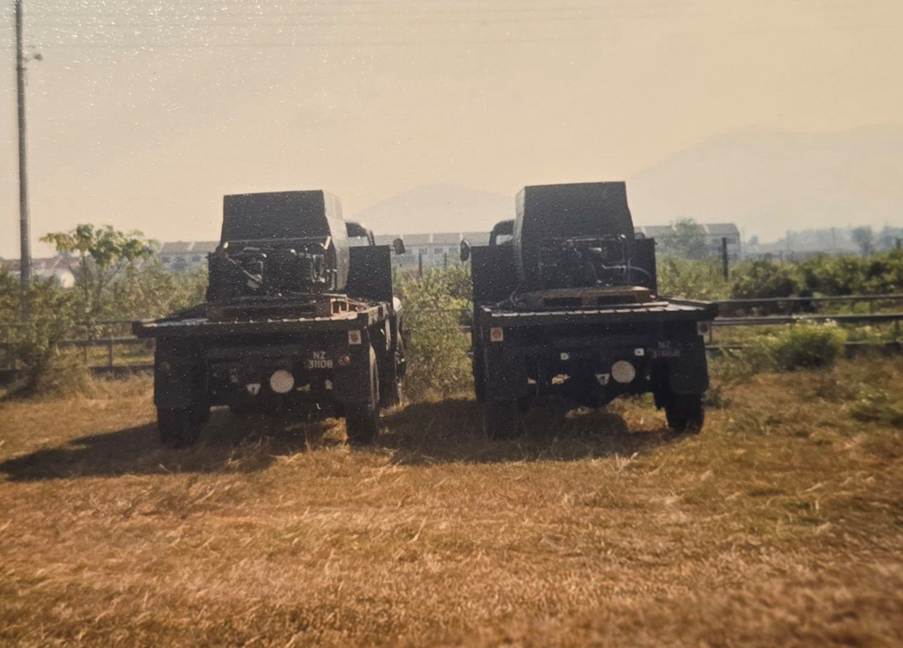
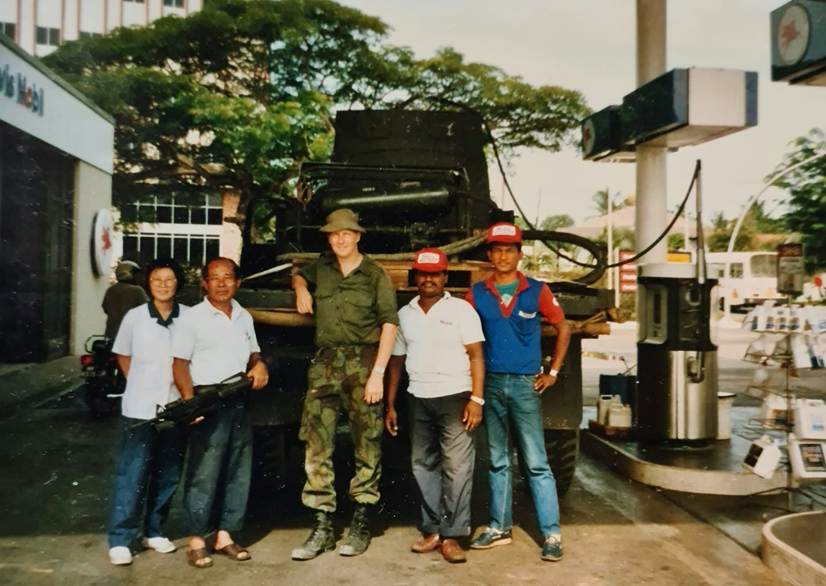
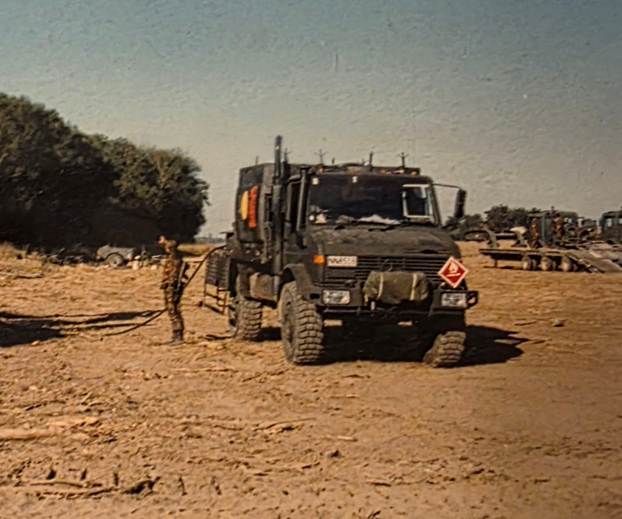
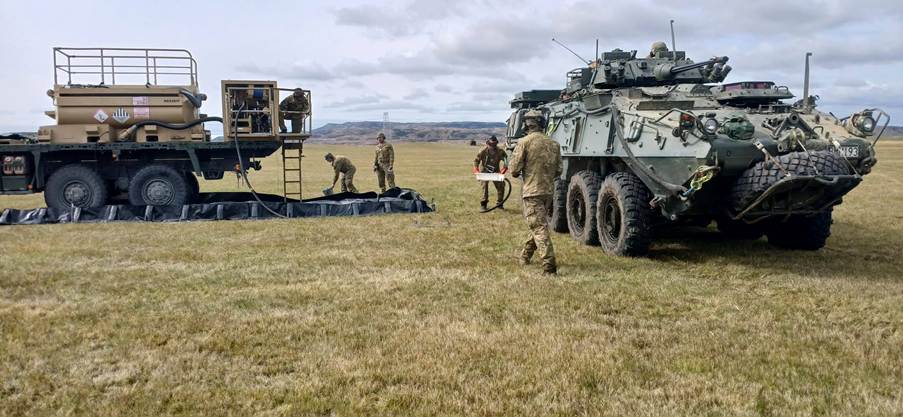
Today, 12 July, would have been Corps Day for the Royal New Zealand Army Ordnance Corps. It also marks thirty years since the formation of the Royal New Zealand Army Logistic Regiment and, with it, the disestablishment of the RNZAOC. It is a fitting moment to look back, not with sentimentality but with appreciation for what the Corps actually was and what it left behind.
The RNZAOC was not lost so much as it moved into its next form. From the days of Henry Tucker onwards, the work of the Ordnance soldier was defined by one constant: continual adaptation. Its history is best understood not as that of a fixed institution that came to an end, but as one long process of change that continues today, under a different name.
Formed in war, tested by peace
The role of the Ordnance soldier expanded and contracted as the Army’s needs shifted around it. During the First World War, New Zealand Ordnance personnel served both at home and overseas, in Egypt, Gallipoli, Palestine, France, Belgium and the United Kingdom.
The interwar years brought progress alongside considerable uncertainty, including a period when the New Zealand Army Ordnance Corps came close to ceasing to exist altogether.
Mechanisation and a widening trade
The Second World War forced rapid adaptation once more. Ordnance soldiers served in every theatre in which New Zealand forces took part, adjusting to the demands of increasingly mechanised warfare. Bath and laundry services, ammunition support and specialist technical functions all became central to the Corps’ work during this period.
The later transfer of the Technical Trades to the New Zealand Electrical and Mechanical Engineers fits the same pattern rather than breaking from it. As military technology and technical specialisation advanced, responsibilities moved to where they made most sense — a recurring feature of the Corps’ story, not an exception to it.
A peacetime Corps that kept changing
Adaptation did not stop when the wars ended. Territorial Force personnel became an integral part of the RNZAOC, and the increasingly specialised management of technical stores gave rise to the Auto Parts trade. The Ammunition Technician trade evolved alongside the operational environment and, by the 1970s, had become the Army’s centre of expertise in explosive ordnance disposal.
Further change followed: the integration of women from the Women’s Royal New Zealand Army Corps, and then the transfer of the RNZASC supply trades into the RNZAOC in 1979. Less visibly, Ordnance personnel also adapted to the gradual introduction of electronic stores-management systems, progressing from early mainframe systems to the networked logistics systems in use by 1996.
The Corps at its height
By the mid-1980s, the RNZAOC had reached its peak. 1 Base Supply Battalion was, at the time, regarded as one of the most complex warehouse operations in New Zealand. Supply Companies were located at Hopuhopu, Waiouru, Linton and Burnham. Separately, stores sections were integrated within each RNZEME workshop, while an Advance Ordnance Depot maintained a New Zealand presence in Singapore. It was a Corps operating at scale, both at home and abroad.
That scale did not last. With the end of the Cold War came a peace dividend, and with it a gradual reduction in the size and reach of the Corps through the late 1980s and into the 1990s. This, too, was adaptation rather than decline for its own sake, the Corps reshaping itself to match a changed strategic environment, as it always had.
Towards Formed Deployments
RNZAOC soldiers had already deployed on operations in Korea, Malaya, Malaysia and South Vietnam, and others had served individually on peacekeeping missions. The 1990s added a further dimension, as Ordnance soldiers began deploying on operations as formed contingents, beginning with a Supply Detachment to Somalia, followed by two platoons, a shift that reflected both New Zealand’s changing military commitments and the increasingly integrated role of logistics support.
A Corps Spanning Generations
When the RNZAOC was disestablished in 1996, its youngest member was 17 years old and its oldest was 55. That span was more than a statistic. It represented a Corps that connected multiple generations of officers and soldiers, from those trained in long-established manual systems to those entering an increasingly digital and integrated logistics environment, within a single institution, at a single moment.
Continuity, Not Loss
The formation of the RNZALR did not erase the RNZAOC’s history; it became the next stage in a much longer process of adaptation. Titles, structures and trades changed, but the essential purpose held: to provide the Army with the equipment, ammunition, technical support and supply services needed to train, deploy and operate.
Thirty years on, the most fitting way to remember the RNZAOC is not to mourn its passing, but to recognise its enduring legacy, carried forward today within the RNZALR, particularly through its Supply trade. Adaptation was never evidence of weakness or decline. It was, and remains, one of the Corps’ defining strengths.
How an 1840 Equipment Return Set the Pattern for 180 Years
In January and March 1840, a small detachment of Mounted Police accompanied Governor William Hobson from Sydney to New Zealand. They did not simply step off the ship with their arms and bedding and get on with the job. Someone, somewhere, sat down and wrote out exactly what they had brought with them.
What survives of that paperwork is plain, almost to the point of dullness: carbines, pistols, swords, belts, ammunition, accoutrements. Cross-cut saws, felling axes, tomahawks. Tin lanterns, lamps, camp kettles, iron pots, tin dishes, tin plates, iron candlesticks. Water casks, frying pans, stable shovels, stable forks. Palliasses, pillows, bolsters, blankets, rugs, corn sacks. A marquee complete for one officer, a tent complete for the soldiers, camp tables, camp stools, and tin pints. And alongside all of it, clothing, the items each man was issued to wear and to keep wearing, every bit as much a part of the return as the carbine on his shoulder. Nothing in that list describes a battle, a strategy, or a politician’s decision. It describes a small group of men preparing to live, work, and fight in a new colony, and someone making sure that preparation was recorded.
It is worth taking this list seriously rather than skimming past it, because almost everything that New Zealand’s military logistics system would become over the following century and a half is already implied within it.
Look at the categories rather than the individual items, and a structure emerges that no one in 1840 would have called a “system,” but which functions like one.[1]
There is armament: carbines, pistols, swords, ammunition and accoutrements — the obvious, expected core of a mounted detachment’s kit. But armament on its own is useless. Issuing a carbine without ammunition is not really issuing a weapon at all, it is issuing an inert object. The return does not separate the two; it treats them as a pair because whoever compiled it understood, without needing to articulate it, that a weapon and its consumable are a single entitlement, not two unrelated line items.
Qty
Item
Price Each
Total
9
Carbines, Cavalry
£2 2s 0d
£18 18s 0d
20
Pistols
£1 7s 1¾d
£27 2s 11¾d
10
Pouches & Pouch Belts
£0 3s 8d
£1 16s 8d
10
Swords
£1 5s 0d
£12 10s 0d
10
Scabbards
£0 5s 0d
£2 10s 0d
10
Sword Belts & Carriages [Slings?]
£0 4s 2¼d
£2 1s 10½d
10
Swivels and Ts
£0 3s 0d
£1 10s 0d
500
Rounds of Carbine Ball Cartridge
2s 2d per 1,000
£1 1s 0d
1,000
Rounds of Pistol Ball Cartridge
1s 9d per 1,000
£1 9s 0d
1,000
Rounds of Carbine Blank Cartridge
£1 12s 0d per 1,000
£1 12s 0d
2,000
Rounds of Pistol Blank Cartridge
19s 0d per 1,000
£1 18s 0d
30
Carbine Flints
22s 6d per 500
£0 6s 9d
60
Pistol Flints
21s 6d per 500
£0 12s 10¾d
SUB TOTAL
£73 9s 1d
Return No. 1 — Arms, Accoutrements and Ammunition- Return of Arms, Accoutrements and Ammunition taken by the Mounted Police from Sydney to New Zealand, 19th January and 2nd March 1840.
There is mobility support: saddlery and stable equipment for the horses — shovels, forks, the gear that keeps an animal fed, shod, and working. A mounted detachment without functioning stable equipment is, within a short time, simply a detachment on foot.
Qty
Item
Price Each
Total
10
Saddles
}
10
Snaffles
}
10
Surcingles
}
10
Breast Plates
}£5 4s 6d
£52 5s 0d
10
Pair[s] of Stirrup Leathers
}
10
Sets of Baggage Straps
}
10
Sets of Cloak Strap
}
10
Pair[s] of Holsters and Flounces
18s 0d
£9 0s 0d
10
Carbine Buckets and Straps
4s 0d
£2 0s 0d
10
Carbine Slay Straps
2s 0d
£1 0s 0d
10
Bits & Bridoons
}
10
Head Stalls
}18s 0d
£9 0s 0d
10
Reins
}
10
Curb Chains
2s 6d
£1 5s 0d
10
Head Collars & Chain Reins
10s 0d
£5 0s 0d
10
Valises
15s 0d
£7 10s 0d
10
Mane Combs
1s 0d
£0 10s 0d
10
Sponges
2s 6d
£1 5s 0d
10
Curry Combs
2s 6d
£1 5s 0d
10
Horse Brushes
3s 6d
£1 15s 0d
10
Nose Bags
}2s 0d
£1 0s 0d
10
Tether Ropes
}
10
Shackles
10s 0d
£5 0s 0d
10
Pair[s] of Buckle Spurs
7s 6d
£3 15s 0d
10
Pair[s] of Hand Cuffs
3s 6d
£1 15s 0d
1
Pack Saddles, Complete
£2 17s 6d
£2 17s 6d
SUB TOTAL
£106 2s 6d
Return No. 2 — Saddlery and Equipment – Return of Saddlery, Equipment &c taken by the Mounted Police from Sydney to New Zealand, 19 January & 22nd March 1840.
There is shelter and domestic sustenance: tents, a marquee, camp tables and stools, palliasses, blankets, and rugs. None of these fights anyone. All of it determines whether the men who do the fighting are rested, dry, and able to function the next day. Included are the means of living day to day: kettles, pots, dishes, plates, candlesticks, water casks, and frying pans. The unglamorous, consumable, constantly handled stuff of camp life, which nobody writes histories about, but which determines whether a detachment can actually sustain itself for more than a few days in the field.
Qty
Item
Price Each
Total
2
Crosscut Saws
18s 0d
£1 16s 0d
2
Felling Axes
3s 2d
£0 6s 4d
9
Tomahawks
2s 6d
£1 2s 6d
2
Tin Lanterns
3s 6d
£0 7s 0d
2
Lamps
3s 6d
£0 7s 0d
2
Camp Kettles
9s 0d
£0 18s 0d
3
Iron Pots
5s 0d
£0 15s 0d
3
Tin Dishes, 17 x 14
2s 3d
£0 6s 9d
2
Tin Dishes, 12 x 4
1s 4d
£0 2s 8d
2
Tin Plates
8s 0d
£0 16s 0d
9
Tin Cook Pots
2s 0d
£0 18s 0d
2
Iron Candlesticks
2s 0d
£0 4s 0d
3
Water Pails
3s 3d
£0 9s 9d
2
Frying Pans
4s 0d
£0 8s 0d
3
Stable Shovels
3s 9d
£0 11s 3d
3
Stable Forks
2s 0d
£0 6s 0d
10
Palliasses
4s 6d
£2 5s 0d
10
Pillows
1s 4d
£0 13s 4d
10
Bolsters
2s 0d
£1 0s 0d
10
Blankets
6s 9d
£3 7s 6d
10
Rugs
4s 6d
£2 5s 0d
6
Corn Sacks
4s 6d
£1 7s 0d
1
Marquee, Complete (Officers)
£13 0s 0d
£13 0s 0d
1
Tent, Complete (Soldiers)
£7 10s 0d
£7 10s 0d
1
Camp Table
£1 6s 0d
£1 6s 0d
1
Camp Stool
7s 6d
£0 7s 6d
10
Tin Pints
0s 6d
£0 5s 0d
SUB TOTAL
£43 0s 7d
Return No. 3 — Bedding and Utensils – Return of Bedding, Utensils &c taken by the Mounted Police from Sydney to New Zealand, 19th January & 2nd March 1840.
There is clothing: the items issued to each man so that he could actually wear, and keep wearing, what the climate and the work demanded. It sits apart from armament and shelter in the return, but it answers the same kind of question. A man without serviceable clothing is no more capable of sustained duty than a man without ammunition or a tent — he simply fails by a slower and less dramatic route.
Qty
Item
Price Each
Total
10
Blue Cloth Cloaks
£3 3s 7d
£31 15s 10d
10
Jackets, Blue Cloth
}£3 7s 6¼d
£33 15s 2d
10
Pair[s] of Cloth Trousers
}
10
Pair[s] of Shoulder Braces
13s 0d
£6 10s 0d
10
Pair[s] of Boots, Wellington
£1 5s 0d
£12 10s 0d
10
Bush Jackets, Green Cloth
12s 0¾d
£6 0s 7½d
10
Pair[s] of Bush Trousers, Green Cloth
17s 10d
£8 18s 4d
10
Pair of Gloves
1s 9d
£0 17s 6d
SUB TOTAL
£100 7s 5½d
Return No. 4 — Clothing – Return of Clothing taken by the Mounted Police from Sydney to New Zealand, 19th January and 2nd March 1840.
Four categories, each with its own internal logic, each dependent on the others, all bundled together into a single return. That is not an accident of what happened to be on the ship. It is, in miniature, a complete account of what it takes to deploy and sustain a force, recorded in 1840, almost three decades before that practice would be given any legal force, and well over a century before anyone built a formal system for defining “complete equipment.”
The Question Embedded in the Return
The deeper point is this: the 1840 return is not simply a list of objects. It is the earliest visible evidence of a question that New Zealand’s military forces have had to keep re-asking, in steadily more demanding forms, ever since: what do we actually have, is it complete enough to function as intended, and what will be needed to keep it that way?
A commander reading that 1840 return could answer all three parts of that question. He knew the carbines were accompanied by ammunition. He knew the horses had saddlery and the means to be fed and shod. He knew the men had shelter, bedding, and the equipment to cook and carry water. Nothing on the list existed in isolation; everything was there because something else on the list needed it. That is the foundation. Everything that came afterward, stocktake, statute, ledger card, entitlement table, electronic record, is simply a more formal, more enforceable, and eventually more technically demanding way of keeping that same question answerable as the equipment, the force, and the institution around it grew too large and too complicated to hold in one officer’s head.
1870: The Same Logic, Made Explicit
It would take another thirty years for that instinct to be tested at the scale of the whole colonial military, rather than a single detachment’s kit, and when it was, the result reads almost like a direct continuation of the 1840 return, not a break from it.
The same Colonial Storekeeper’s office that had its origins in 1840 had, by 1869, become the Defence Stores under Lieutenant Colonel Edward Gorton as Inspector of Stores, operating under the framework introduced by the Public Stores Act of 1867. On 17 August 1870, Gorton presented the Minister of Defence with the first comprehensive stocktake of New Zealand’s military stock, arms, ordnance, ammunition, camp equipment, entrenching tools, and saddlery, set out across three handwritten tables, recording quantity, location, and serviceability for every item checked.[2]
1870 Defence Stores Stocktake
What makes the 1870 stocktake such a striking echo of 1840 is not its scale, but its logic. The return of camp equipment did not simply count tents and saddles as single items. A circular tent was recorded as a complete set of pins, poles, a mallet, a pin bag, and a valise. A pack saddle was recorded as straps and bridles, a waterproof cover, a horse blanket, a surcingle, and pads. In other words, thirty years on, a clerk filling in a government stocktake table was applying exactly the same principle that had governed the 1840 Mounted Police return: a tent is not a tent without its pins and poles, and a saddle is not a saddle without its straps and blanket. The instinct that had been informal good sense in a quartermaster’s handwritten list was now being applied, methodically and at colony-wide scale, under a legislated accounting framework with an officer whose specific job was to enforce it.
This is the first real hinge point in the story, and it is worth being precise about what changed and what didn’t. What didn’t change was the underlying question. What changed was the seriousness with which the institution treated it, and the durability of the system built to satisfy it. A return written for a sergeant’s own purposes is a different thing from a stocktake presented to a Minister of Defence, cross-checked against ledgers, and kept as an official archival record. The principle survived intact from 1840 to 1870. The surrounding architecture had been rebuilt to carry far more weight.
When Counting Stopped Being Enough
The next real hinge point did not arrive for nearly another century, and it arrived for a different reason again.
By the late 1950s, the New Zealand Army was facing a problem that simple counting, even careful counting, of the kind Gorton had institutionalised in 1870, could not solve. It was still operating large amounts of Second World War-era equipment while simultaneously absorbing genuinely new and far more complicated equipment: armoured vehicles, wireless sets, technical systems that bore no resemblance to a carbine or a tent peg. Army Headquarters drew an explicit distinction between “simple equipment,” like a Bren gun, and “complex equipment,” like a Centurion tank, because a tank is not one thing to be counted; it is dozens of interdependent things: armament, communications fittings, ancillary equipment, specialist tools, defined spares, and the manuals needed to operate and repair it.
Example of the equipment included in a Centurion Tank, a type of tank used by NZ in the 1950s/60s. 1965, Regiment Huzaren Prins Alexander, 101st Tank Battalion of the Dutch Army
This was, again, the same problem the 1840 return and the 1870 stocktake had quietly solved by instinct and then by method: a carbine implies ammunition, a tent implies pegs and poles, except that by 1959 the “system” behind a single piece of equipment had grown far too large and too technical to hold in a stocktake table. What had once been common sense for a quartermaster, and then a checkable line item for a stocktaking clerk, now had to be engineered directly into the structure of the records themselves.[3]
Between 1960 and 1966, the Army did exactly that, replacing flat quantity entitlement with a layered system: the New Zealand Entitlement Table as the master ledger, the New Zealand Complete Equipment Schedule defining what “complete” meant for a given piece of equipment; principal item, ancillaries, special tools, defined spares, consumables, even the technical manuals, and the New Zealand Block Scale for controlled, traceable scaling between peacetime holdings and a war footing. It was, in essence, an attempt to write the 1840 and 1870 logic into a structure robust enough to survive equipment too complicated for anyone stocktake table to hold.[4]
The Form Becomes Electronic
The form changed once more, and far faster than anyone training as a Data Operator in 1965 could have predicted.
From 1964, the Army began replacing handwritten ledger cards with electric accounting machines, feeding punched paper tape to a borrowed Treasury mainframe.[5] By the late 1980s, it had moved through several generations of computerised supply systems, DSSR, DSSD, and eventually enterprise platforms, each one promising, in its own way, exactly what Gorton’s 1870 stocktake tables had promised: an up-to-date central overview of what was actually held, fewer discrepancies, faster identification of shortfalls.[6] Even the entitlement architecture built in the 1960s was eventually automated this way: the New Zealand Army Scales and Documentation Centre’s Scales and Entitlements System, introduced in 1986 to computerise the production of equipment-scaling documents, had a 1985 budget of $0.579 million, roughly $1,835,000 in 2023 terms.[7] That is a sizeable sum to spend purely on keeping the paperwork of completeness up to date, and it says something about how much weight, by the 1980s, the institution was prepared to put behind a question a sergeant had once answered for free with a pencil. The technology bore no resemblance to a handwritten return or a stocktake ledger. The job it was built to do had not moved an inch.
It would be a mistake to read the 1840 Mounted Police returns as a quaint prelude to the “real” history of New Zealand military accounting, which only properly begins with Gorton’s stocktake, or matures with the 1960s entitlement reforms, or modernises with the arrival of computers. The returns are not a footnote to that story. They are its foundation, in the fullest sense of the word, the first surviving demonstration, plain and unglamorous as it is, that a deploying force has never been just men and weapons moving from one place to another. It has always been an accounted-for system of armament, mobility, shelter, clothing, and sustenance, bundled together because each part depends on the others.
What changed after 1840 was not the question. It was the scale of effort required to keep answering it. A sergeant’s handwritten return was sufficient when the force was a few dozen mounted men and the equipment was carbines and tents. A stocktake table, cross-checked against a ledger and signed off by an Inspector of Stores, was sufficient when the force was a young colony’s standing militia. Neither was sufficient once the force became a citizen army equipping itself with tanks and radios, and none of the analogue tools was sufficient once the sheer volume of line items outgrew what a roomful of clerks could keep current by hand. At each point where the old method failed, someone had to build a more demanding one: first, a statute and a stocktake; then a ledger system; then a serialised entitlement architecture; then a machine.
None of those later systems invented the underlying principle. They rediscovered it, under pressure, and rebuilt it to suit the world they were now operating in.
The tin pints and tomahawks of 1840 are not where this story starts, because they are the oldest surviving paperwork. They are where it starts because they already contain, in complete and recognisable form, the question every later system, handwritten, legislated, serialised, or electronic, would spend the next century and a half learning to answer at greater and greater scale.
Notes
[1] “From: E. Deas Thomson, Colonial Secretary’s Office, Sydney, NSW To: Colonial Secretary,
New Zealand Date: 17 September 1844 Subject: Disposal of £100 placed in his hands on account of this Government.,” Archives New Zealand Item No R24709027 (1844).
[2] Inspector of Stores Edward Gorton, Reporting on system of Store Accounts and with returns of Arms Ordnance Ammunition and various Stores, Archives New Zealand Item ID R24174887, (Wellington: New Zealand Archives, 17 August, 1870).
[3] “Conferences and Committees: Committee Stores Accounting Establishment of Minutes Meetings,” Archives New Zealand Item No R22497304 (1947-1953).
[4] “Account for Stores “, Archives New Zealand Item No R17188986 (1957 – 1964).
[5] Army 246/1/12 Introduction of Electronic Data Processing into Stores Accounting Systems-NZ Army Dates 30 Sept 1965.”Stores – Account for General Instructions,” Archives New Zealand Item No R17188987 (1964 – 1967).
[6] Frank Ryan, “DSSR Implentation Update,” RNZAOC Pataka Magazine (8 March 1984).
Modernisation, Mobilisation, and Early Integrated Logistics Thinking in the New Zealand Army
In May 1939, Major-General P. J. Mackesy, C.B., D.S.O., M.C., submitted his report on the Military Forces of New Zealand. Prepared after a short but intensive inspection, the report has not acquired the same place in New Zealand defence history as the earlier assessments associated with Scratchley, Jervois, Fox, Babington, or Kitchener. Those reports, and the reforms or controversies that followed them, are comparatively well recorded. Mackesy’s report, by contrast, remains less visible, despite being written only months before the outbreak of the Second World War and despite its clear relevance to New Zealand’s final pre-war military preparations.
Read in isolation, Mackesy’s report appears to belong to the pre-war world of Imperial defence planning, Territorial Force mobilisation, coast defence, ammunition reserves, mechanisation, and ordnance services. Yet when considered against the principles of modern capability management and Integrated Logistics Support (ILS), it reveals something more enduring. Mackesy did not create integrated logistics thinking in the New Zealand Army, nor did he use the terminology of modern ILS. Rather, his report provides an early and clear example of the same underlying logic, that equipment, ammunition, personnel, training, storage, mobilisation, reserves, finance, procurement lead times, accommodation, and technical support had to be treated as connected parts of one military capability system.
This distinction matters. Mackesy was not arriving to modernise an entirely dormant Army. By 1939, the New Zealand Army was already in the throes of modernisation. Modern equipment had been ordered, some had arrived, and the Army staff were attempting to keep pace with contemporary British doctrine, mechanisation, mobilisation planning, and the implications of modern weapons. The problem was not total inactivity, but incompleteness. Mackesy’s significance lay in reinforcing an existing direction of travel, exposing the remaining gaps, and turning modernisation from a matter of equipment acquisition into a whole-force capability problem.
The later expansion of the New Zealand Army Ordnance Corps (NZAOC) demonstrates why that distinction matters. By 1942, the Ordnance Depot and Ordnance Workshops establishments had both been expanded and treated as Dominion establishments. In other words, manpower was managed nationally across New Zealand rather than permanently assigned to a single depot or workshop. The depot system provided the national machinery for receipt, accounting, storage, issue, and distribution, while the workshop system provided the technical capacity for inspection, repair, modification, maintenance, and specialist support. This wartime growth shows that the support problem Mackesy identified was not theoretical. Once modern equipment, ammunition, vehicles, and technical stores entered service, the Army had to build the support organisation beneath them. In modern ILS terms, the Mission System forced the Support System to expand.
The modern NZDF ILS Capability Management Handbook describes ILS as critical to cost-effective planning, integration, optimisation of through-life support, and the sustainment of safe capability. It links ILS to affordability, Whole-of-Life Cost awareness, preparedness, availability, and Defence resilience. Mackesy was not applying that formal framework in 1939, but his method, and the Army’s subsequent treatment of Recommendations 42 and 43, anticipated many of its principles.
This article, therefore, does not argue that Mackesy invented modern ILS, nor that his report can be used as a direct measure against contemporary logistics practice. Rather, it argues that Mackesy’s report provides a historically useful example of integrated logistics thinking before the term existed. It also offers contemporary logisticians a professional reminder, not a judgment, that military capability is only credible when the support system beneath it is understood, resourced, tested, and sustained.
Put simply, Mackesy was asking whether the Army’s equipment, people, stores, transport, workshops, training and facilities could work together as a real wartime system.
For readers unfamiliar with modern logistics terminology, the central idea is simple. A military capability is more than the equipment listed on an inventory. It also depends on the people trained to use it, the ammunition and spares held for it, the facilities that store and maintain it, the transport that moves it, and the systems that account for and sustain it. Modern ILS gives that idea a formal structure. Mackesy’s report shows that the same logic was already evident in the New Zealand Army’s planning in 1939.
Major-General P. J. Mackesy and the circumstances of the report
Major-General Pierse Joseph “Pat” Mackesy, C.B., D.S.O., M.C., was a senior British Army officer of the Royal Engineers and a decorated veteran of the First World War. He was commissioned into the Royal Engineers in 1902, served in a range of operational and staff appointments, and by the late 1930s was an experienced Imperial officer with a professional background in command, training, mobilisation, and military organisation. His standing mattered because he was not a casual visitor or political commentator, but a senior officer able to assess New Zealand’s forces against contemporary British military practice.
Major-General Pierse Joseph “Pat” Mackesy, C.B., D.S.O., M.C., photographed in 1937, two years before he was asked to report on the Military Forces of New Zealand. Image: Walter Stoneman, National Portrait Gallery, London
His report on the Military Forces of New Zealand was prepared at the request of His Majesty’s Government in New Zealand after the Pacific Defence Conference. The United Kingdom authorities made his services available to the New Zealand Government for a few weeks, and he began his investigations in Auckland on Monday, 1 May 1939. By 22 May 1939, he had submitted his report to Army Headquarters, Wellington.[1]
Mackesy was careful to acknowledge the limits of his inquiry. He stated that it was impossible for one individual, in only three weeks, to investigate in detail all the activities and points of importance connected with the military forces of a country the size of New Zealand. Nevertheless, he had sought to obtain a fair and thorough general view of the problems involved. He also emphasised that his recommendations would require careful investigation before any action could be taken.[2]
He also made clear that the report was not an official British Government or War Office directive. The opinions, views, and recommendations were his own, and he alone was responsible for them. This gave the report a direct and candid tone. Mackesy told the Prime Minister that he understood plain and honest words were required, but he also stressed that where he criticised what he found, he did not intend criticism of individuals or groups. His purpose was to look at conditions as they existed and suggest how they could reasonably be improved.[3]
The timing was significant. The report was written only months before the outbreak of the Second World War, at a moment when the deteriorating international situation was testing New Zealand’s defence assumptions. Mackesy’s task was therefore not academic. He was examining whether the New Zealand Army, particularly its Territorial Force, mobilisation arrangements, equipment, ammunition reserves, training system, accommodation, and ordnance services, could meet the demands likely to be placed upon it in war.
Mackesy in the tradition of British defence inspection reports
Mackesy’s 1939 report also sits within a longer tradition of British officers inspecting, advising upon, and reporting on New Zealand’s defences. He was not the first senior Imperial or British officer to examine the country’s military arrangements, nor was his report an isolated event. From the late nineteenth century onward, New Zealand had repeatedly looked to British professional military expertise to assess its defence organisation, coastal protection, volunteer forces, mobilisation arrangements, and military efficiency.
Among the better-known examples were Major-General Sir Peter Henry Scratchley and Major-General Sir William Francis Drummond Jervois, whose work on colonial defence helped shape the port and coastal defence systems of Australia and New Zealand in the late nineteenth century.[4]
The pattern continued with Lieutenant-Colonel Francis John Fox, appointed Commandant of the New Zealand Permanent Militia in 1892. Fox inspected the Volunteer Force and produced a highly critical 1893 report, which caused a public and political stir for its uncompromising comments on the force’s condition and officers’ fitness for command.[5] Major-General Sir James Melville Babington, Commandant of the New Zealand Defence Forces from 1902, also produced formal reports on the Defence Forces of New Zealand.[6] Field Marshal Horatio Herbert Kitchener, 1st Earl Kitchener, later inspected New Zealand’s forces during his 1910 tour, contributing to the defence reform debate around compulsory military training and the wider reorganisation of Dominion defence.[7]
These earlier inspections and reports are reasonably well recorded in New Zealand defence history. Their recommendations, political reception, and subsequent reforms are traceable through parliamentary papers, newspapers, biographies, and later historical writing.
Mackesy’s report is different. Although it was prepared at a critical moment, only months before the outbreak of the Second World War, it appears to have attracted comparatively little sustained attention. The surviving archival record confirms that Mackesy submitted a formal report on the Military Forces of New Zealand on 22 May 1939, and that a later file addressed Recommendations 42 and 43, concerning modern equipment and ammunition reserves. Yet compared with Scratchley, Jervois, Fox, Babington, and Kitchener, there is a noticeable dearth of readily accessible secondary discussion on Mackesy’s findings and their subsequent influence. One possible reason is timing: war intervened almost immediately, shifting attention from broad reform to urgent mobilisation. Another may lie in Mackesy’s later wartime reputation. Within a year of advising New Zealand, Mackesy was associated with the controversial Norwegian campaign and was recalled after his handling of the Narvik operation enraged Prime Minister Winston Churchill. According to later accounts, Mackesy refused to commit his troops to what he considered “the sheer bloody murder” of an “arctic Gallipoli”, prompting Churchillian accusations of “feebleness and downright cowardice”. Although he avoided court-martial, Mackesy never again held field command.[8] While there is no clear evidence that New Zealand consciously suppressed or distanced itself from Mackesy’s report for that reason, his subsequent fall from favour may have made him a less convenient figure to acknowledge publicly.
That relative silence is significant. Mackesy’s report came at the hinge point between peacetime economy and wartime mobilisation. Unlike some earlier reports, it was not followed by a long period of public debate or gradual reform. The declaration of war rapidly overshadowed the broader recommendations, and attention appears to have narrowed to the most immediately actionable parts of the report, especially Recommendations 42 and 43 on modern equipment and ammunition reserves.[9] The follow-up papers show that these recommendations were implemented as a programme covering ammunition reserves, modern fighting and technical equipment, and the magazine, garage, and storage accommodation required to support them.[10]
For that reason, Mackesy’s report deserves to be recovered and re-examined. It belongs in the same broad tradition as Scratchley, Jervois, Fox, Babington, and Kitchener, but its significance lies in its timing. It was a final pre-war external assessment of the New Zealand Army before the demands of the Second World War forced theory into action. Its relative neglect has obscured the degree to which the Army’s wartime mobilisation priorities, especially modern equipment, ammunition reserves, mechanisation, and storage, were already being framed through a recognisably integrated logistics lens.
A report on the Army as a system
The structure of Mackesy’s report is revealing. Its table of contents moved beyond narrow questions of manpower or equipment and examined Regular Forces, the Territorial Force, the Special Reserve, Cadet Units, training, accommodation, mobilisation preparations, mechanisation, modern fighting equipment, ammunition, trained reserves, publicity, ordnance services, and financial administration.[11]
This breadth is important. In modern capability language, Mackesy was examining a range of inputs that would now be recognised across the PRICIE construct. The NZDF ILS Handbook describes PRICIE as the fundamental inputs to capability, covering Personnel, Research and development, Infrastructure and organisation, Concepts, doctrine and collective training, Information technology, and Equipment, logistics and resources.[12]
Mackesy did not use that vocabulary, but his report covered many of the same areas. He did not treat modern equipment as a stand-alone answer. He saw that equipment without trained personnel, ammunition, storage, transport, maintenance, and mobilisation arrangements did not constitute real military capability.
Mackesy’s central concern was that New Zealand’s military arrangements gave the appearance of a force without necessarily providing the substance of one. His analysis was rooted in a simple but enduring question:
Could the New Zealand Army actually perform the tasks expected of it in war?
He concluded that, under existing conditions, it could not do so with confidence.
Mission System and Support System
The modern NZDF ILS Handbook describes capability from an ILS perspective as the combination of a Mission System and a Support System. The Mission System is the part of the capability that directly performs the operational function, such as aircraft, ships, armour, communications, or, in Mackesy’s case, modern weapons and vehicles. The Support System is the totality of support infrastructure, resources, services, people, processes, and systems that enable the Mission System to be supported and operational objectives to be achieved.[13]
This distinction helps explain why Mackesy’s report remains relevant. His concern was not only that the New Zealand Army lacked sufficient modern Mission Systems, such as contemporary weapons, vehicles, and technical equipment, but also that the supporting system around them was incomplete. Ammunition reserves, trained personnel, mobilisation depth, magazines, garages, stores, training arrangements, and sources of supply all had to be provided if modernisation was to become a real capability.
In modern ILS terms, Mackesy was not simply asking, “What equipment does the Army need?” He was asking, “What system of support is required to make that equipment usable, sustainable, and available in war?”
The modern ILS view of capability as a Mission System supported by an integrated Support System. Although Mackesy did not use this terminology in 1939, his report considered many of the same elements, including personnel, training, equipment, ammunition, reserves, storage, transport, facilities, and supply.
Not modernisation from a standing start
It is important not to overstate Mackesy’s role as though he arrived in New Zealand to instruct an entirely dormant Army to modernise from scratch. By 1939, the New Zealand Army was already in the throes of modernisation. The process was slow, constrained by finance, dependent on British supply, and uneven in its results, but it was real. Since the mid-1930s, the Army had been placing orders for modern equipment, updating mobilisation planning, experimenting with mechanisation, and attempting to keep pace with contemporary British doctrine.
This is an important qualification to the common claim that New Zealand entered the Second World War wholly unprepared and equipped no better than it had been in 1918. The reality was more complex. Material deficiencies remained serious, but the Army was not intellectually or administratively stagnant. From 1934, the Director of Ordnance Services, Major Thomas Joseph King, worked to ensure that key ordnance positions were held by competent and experienced personnel. At the same time, New Zealand staff followed British doctrinal developments as closely as practicable, including changes in Field Service Regulations, mechanisation, training, mobilisation planning, and the implications of modern weapons.[14]
The same was true in the Army Service Corps. Although New Zealand’s transition from horse transport to motor transport was slow, it was already underway by the time Mackesy arrived. As late as the mid-1930s, each military district still retained one horse transport section and only one motor transport section, yet the direction of travel was clear. Major-General J. E. Duigan reported in 1937 that successful wartime transportation depended upon the efficient employment of civil resources and that the Army was now dependent on the motor industry for its mobility. Trials conducted in 1936 and 1937 had shown that motor transport could replace horse-drawn unit transport, and Duigan stated that this would be universally adopted in future. By 1938, despite the limited number of trucks and lorries held by the New Zealand Military Forces, Territorial Army Service Corps units were already conducting increasingly motorised convoy training.[15]
The archival record supports this more nuanced interpretation across both equipment and logistics. A 1938–39 Ordnance file shows a range of modern stores and equipment either on order, received, or being managed through requisition. These included Bren guns and components, Bren gun maintenance spares, 3-inch mortars, 2-pounder anti-tank guns and equipment, wireless sets No. 9 and No. 11, anti-gas equipment, Boys anti-tank rifles, portable cookers, tentage, medical equipment, signalling equipment, and large quantities of ammunition.[16]
The follow-up material to Mackesy’s report makes the same point. In relation to specialised vehicles, it noted that equipment requirements had to be considered as a whole and obtained from the most suitable source. It also recorded that the Army Department’s existing programme already provided for 39 Bren carriers, with six received and a further twelve on order, and eighteen six-wheeled field artillery tractors, with twelve previously ordered tractors already received.
Mackesy’s significance, therefore, was not that he invented the requirement for modernisation. Rather, he validated and sharpened it. He exposed the scale of the gap between partial modernisation and a force capable of mobilisation to the war establishment. The Army had begun to move beyond its First World War equipment base, and its staff were attempting to keep abreast of modern doctrine and equipment trends. Still, the process remained incomplete, under-resourced, and insufficient for the demands that war would impose.
A fair reading is that Mackesy reinforced an existing direction of travel and gave it strategic urgency. He turned modernisation from a series of equipment orders, doctrinal updates, and mobilisation preparations into a whole-force capability problem. The issue was no longer simply whether New Zealand had begun ordering modern equipment. It was a question of whether that equipment, together with trained personnel, ammunition reserves, storage, transport, maintenance, mobilisation depth, and supporting infrastructure, could be integrated into a force ready for war.
The iceberg effect
The modern ILS Handbook uses the “iceberg effect” to explain why ILS is necessary. It notes that capability planning and procurement have traditionally focused on equipment acquisition, while failing to account for Whole of Life Cost and Through Life Management. The visible acquisition cost is on the surface, while beneath it lie the larger, often less visible costs and requirements associated with operations, distribution, maintenance, training, technical data, supply support, test and support equipment, software, and disposal. The Handbook states that all these elements should now be considered early and planned across the life cycle, from policy and strategy to disposal.[17]
The ILS “iceberg effect”, showing how acquisition cost is only the visible portion of capability cost. Mackesy’s 1939 report anticipated this logic by linking modern weapons and vehicles to ammunition reserves, storage, magazines, garages, training, personnel, and procurement lead times.
Mackesy’s report and the follow-up work on Recommendations 42 and 43 show that the Army was already grappling with a similar problem in 1939. Modern weapons could not be considered in isolation. They required ammunition reserves, practice stocks, storage, magazines, garages, trained personnel, replacement depth, and a procurement plan that recognised lead times and sources of supply.
In other words, Mackesy saw beneath the surface of acquisition. He understood that the mere purchase of modern equipment would not solve the Army’s problem unless the less visible support system was also resourced.
The danger of paper capability
One of Mackesy’s most powerful themes was the difference between paper strength and usable strength. His examination of the Auckland defences showed this clearly. The 13th Heavy Battery required 338 all ranks for war manning of the fixed defences, but at the time of his visit, it had only a fraction of that number available. The Fortress Battalion had a war establishment of 773 all ranks, but a strength of only 320, of whom about sixty were considered physically unfit for war service.[18]
This was more than a manpower complaint. Mackesy was testing the force against its assigned task. A unit might exist on paper, but if it could not be manned, trained, equipped, and mobilised when required, it was not a real capability. This is directly comparable with modern capability assurance. Modern ILS and capability management similarly ask whether a capability is available, supportable, deployable, and sustainable, not merely whether it exists on an equipment register or establishment table.
Mackesy’s criticism was especially relevant because the Army’s mobilisation model relied heavily on the Territorial Force expanding rapidly in an emergency. He saw that this expansion would not be simple. Men might have little or no training. Units would need to be built up from inadequate peacetime strengths. Composite units would disintegrate on mobilisation into their component regiments. The gap between peacetime organisation and wartime effectiveness was therefore not administrative. It was operational.
Normalisation of deviance and the acceptance of military risk
A further way to read Mackesy’s report is as an early warning against what would now be called the normalisation of deviance.[19] The New Zealand Army had not suddenly become under-prepared in 1939. Rather, the condition Mackesy described had developed over time. Reduced establishments, obsolete equipment, inadequate reserves, limited training opportunities, insufficient accommodation, and reliance on rapid improvisation had gradually become accepted as normal peacetime conditions.
This was not necessarily the result of neglect by any one individual. Mackesy himself was careful not to criticise individuals or bodies of individuals, and he acknowledged that earlier decisions may have appeared necessary at the time. The problem was more systemic. Successive economies, assumptions, and deferrals had created a situation in which the Army’s deficiencies were visible but had not yet forced decisive correction.[20]
The extent to which these deficiencies had already become visible was demonstrated by the so-called “Four Colonels’ Revolt” of May 1938. Colonels Neil Lloyd Macky, C. R. Spragg, A. S. Wilder, and F. R. Gambrill publicly challenged official assurances about the state of the Territorial Force, arguing that New Zealand’s citizen army had been reduced below what was required for national defence, that recruiting and training were inadequate, and that morale had suffered. Their action breached military regulations and led to their posting to the retired list, but it also exposed the depth of professional unease within the senior Territorial leadership. Mackesy’s report should therefore be read against this background. He was not the first to identify the Army’s weaknesses.[21] Still, his external assessment gave formal shape to concerns that experienced New Zealand officers had already risked their careers to express.
In modern ILS terms, Mackesy was forcing decision-makers to confirm the impact of inaction. The ILS Handbook states that ILS principles include recognising constraints, focusing ILS effort where it will deliver the greatest benefit, and confirming the impact of any inaction.[22] Mackesy’s report did precisely that. He showed that what had become administratively familiar in peace would become dangerous on mobilisation.
The Army could still parade, train, administer, and maintain the outward form of a military system, but the underlying support structure was fragile. It lacked sufficient trained personnel, modern equipment, ammunition reserves, replacement weapons, accommodation, and mobilisation depth. Because those weaknesses had existed for some time without immediate disaster, they risked being accepted as the norm.
The declaration of war changed the calculation. What had been tolerable as a peacetime economy became a mobilisation risk. Mackesy’s report, therefore, demonstrates the danger of treating chronic under-resourcing as an acceptable condition. The absence of an immediate crisis had made shortages familiar, and that familiarity had made them appear manageable. Yet war removes the margin that peacetime under-resourcing depends upon.
Mackesy’s anti-improvisation principle
Mackesy’s report contains one of the clearest statements of the principle that underpins modern ILS. He warned that unless matters had been studied in peace, confusion and unnecessary loss of life and treasure would result when war forced unexpected action. He accepted that improvisation in war was possible but added that improvisation without previous thought and training was a costly expedient.[23]
This is, in essence, the logic of ILS. It exists to prevent an organisation from discovering too late that the ammunition reserve is inadequate, the spares are unavailable, the technical documentation is missing, the training pipeline is incomplete, the facilities are unsuitable, the supply chain lead time is too long, or the force cannot be sustained under operational conditions.
Mackesy’s language was that of 1939. The principle was timeless. A capability must be prepared before it is required. It cannot be wished into existence on mobilisation.
Recommendations 42 and 43, from report to action
The strongest evidence of ILS-like thinking appears in the follow-up work on Mackesy’s Recommendations 42 and 43, concerning the supply of modern equipment for the Army and the provision of ammunition reserves. The memorandum submitted by Major-General J. E. Duigan, Chief of the General Staff, in August 1939 divided the matter into three connected parts.
Part A dealt with the provision of reserve ammunition for weapons already in possession or already ordered. Part B dealt with the provision of modern fighting and technical equipment for the Territorial Force, together with the necessary ammunition reserves for new weapons. Part C addressed the magazine, garage, and storage accommodation required to house the equipment and ammunition covered by Parts A and B.
This structure is crucial. The Army was not simply proposing to buy modern weapons. It was linking weapons to ammunition, reserves, accommodation, garages, magazines, and storage. It also recommended that the projects be considered as a whole and that, if approved in principle, provision be made over a period of years, in line with the time required to obtain the various types of equipment and ammunition. Immediate local expenditure on accommodation was recommended, while enquiries were to be made into the most satisfactory sources of supply, taking account of both cost and delivery date.
This is ILS in all but name. Modern ILS would frame the same issue in terms of supportability, facilities, supply support, support equipment, training consumption, war reserves, procurement phasing, and whole-of-life cost. The 1939 language was different, but the logic was closely aligned.
The same logic is evident in the wartime expansion of the NZAOC. In 1937, the Ordnance establishment was still being framed around peacetime assumptions, limited mechanisation, and a relatively small depot and workshop structure. The Director of Ordnance Services had warned that if any great development of mechanisation occurred during the next five years, the Ordnance Workshop establishment would probably prove inadequate.
By 1942, that warning had become reality. The scale of mobilisation, equipment receipt, ammunition storage, inspection, accounting, repair, and issue had made the pre-war structure insufficient. War Cabinet approved an amended Ordnance Depot establishment of 30 officers and 1,019 other ranks, distributed across Trentham, Northern District, Central District, and Southern District. In parallel, it authorised a revised Ordnance Workshops establishment of 425 all ranks, comprising 15 officers and 410 other ranks, covering the workshops at Trentham, Devonport, and Burnham. Both the Ordnance Depot and Ordnance Workshops establishments were to be treated as Dominion establishments, rather than as separate fixed establishments for each depot or workshop.[24]
The scale of that support system is clearer when the pre-war and wartime establishments are placed side by side.
Ordnance function
Pre-war establishment position, 1937–38
1942 wartime establishment
What changed
Ordnance Depots
Small mixed military and civil establishment, framed around peacetime assumptions and the existing Territorial Force
30 officers and 1,019 other ranks, a total of 1,049, across Trentham, Northern District, Central District, and Southern District
Depot support became a national supply, storage, accounting, receipt, issue, and distribution system
Ordnance Workshops
The limited workshop structure was considered vulnerable if mechanisation expanded. The 1938 Armament Section proposal included 3 officers, 9 WO1 artificers, and 25 other ranks across Trentham, Devonport, and Burnham
15 officers and 410 other ranks, a total of 425, covering Trentham, Devonport, and Burnham
Technical repair, inspection, modification, and maintenance became a national sustainment function
Establishment principle
Localised peacetime structure
Both depot and workshop establishments are treated as Dominion establishments.
This was significant. It meant that NZAOC manpower was being managed as a national support capability, adaptable and transferable in response to the changing pressures of mobilisation, storage, repair, inspection, and distribution. The depots represented the system’s supply, accounting, storage, receipt, issue, and distribution functions. The workshops represented the technical sustainment arm, including armament artificers, instrument artificers, wireless artificers, carpenters and joiners, painters, plumbers and tinsmiths, blacksmiths and welders, electricians, clerks, storemen, and labourers.
Taken together, these two NZAOC establishments show that modernisation did not stop at acquisition. Modern equipment had to be received, inspected, accounted for, stored, issued, repaired, modified, maintained, and technically supported. In modern ILS terms, the Mission System had forced the expansion of the Support System beneath it.
Equipment, ammunition, reserves, and war wastage
The follow-up paper on Recommendations 42 and 43 showed that the Army was already thinking in terms of holdings, orders, war reserves, and annual practice expenditure. In Part A, the schedules showed ammunition held in the Dominion or on order, what was considered necessary as a war reserve, and what expenditure was required for annual practice.[25]
Part B extended this logic to modern weapons and technical equipment. It identified the nature and number of modern weapons and equipment required to replace or supplement obsolete or obsolescent equipment, to complete the Territorial Force war establishment, and to provide a 25 per cent reserve. It also calculated the ammunition required for those new weapons on a similar scale. [26]
This was not a narrow procurement. It was capability planning. It connected equipment to force structure, reserves, ammunition, training, and replacement needs. The inclusion of a 25 per cent reserve reflected an understanding that war consumes equipment as well as ammunition. Weapons break, vehicles wear out, losses occur, and reinforcements require training and equipping. The Army was therefore not planning merely for possession, but for endurance.
The scale of the problem is clearer when the weapon and ammunition returns are viewed across the period from 1939 to 1944. In August 1939, New Zealand’s modernisation remained uneven. Older weapons such as the 18-pounder, 4.5-inch howitzer, 60-pounder, and 6-inch howitzer still formed part of the artillery inventory, while modern weapons such as the 25-pounder, 2-pounder anti-tank gun, Bren gun, Bofors 40-mm anti-aircraft gun, and 3.7-inch anti-aircraft gun were either on order or still being discussed. By March 1944, the position had changed dramatically. Quartermaster General returns show 255 25-pounders, 219 2-pounder anti-tank guns, 226 6-pounder anti-tank guns, 10,991 Bren guns, and very large ammunition holdings, including 920,701 rounds for the 25-pounder, 423,259 rounds for the 2-pounder anti-tank gun, 428,023 rounds for the 3.7-inch anti-aircraft gun, and 608,984 rounds for the Bofors 40-mm. These figures show that Mackesy’s concern was not theoretical. Modernisation required not only weapons, but reserves, ammunition, storage, distribution, trained personnel, and a system capable of sustaining war consumption.
Weapon or ammunition type
1939 position
Later wartime position
Significance
25-pounder guns
Requirement identified
255 by 1944
Modern field artillery standard
2-pounder anti-tank guns
16 On order against 90 required
219 by 1944
Early anti-tank modernisation
6-pounder anti-tank guns
At the prototype stage
226 by 1944
Later response to armour threat
Bren guns
40 available, 312 on order
10,991 by 1944
Expansion of modern infantry firepower
25-pounder ammunition
Initial Requirement of 58000 rounds identified
920,701 rounds by 1944
Shows ammunition burden of modernisation
Bofors 40-mm ammunition
Initial Requirement of 10000 rounds identified
608,984 rounds by 1944
Reflects growth of AA defence requirements
The problem of obsolete equipment
The need for this enlarged Ordnance support system was reinforced by the condition of the equipment itself. The follow-up material to Mackesy’s report made clear that the Territorial Force remained heavily dependent on old equipment. Apart from coastal defences and a few items of modern equipment already obtained or on order for the Field Force, much of the Territorial Force’s equipment remained of the pattern used in the previous war. Existing small arms were insufficient to equip the Territorial Force at war strength, and, except for rifles, there were no reserve weapons to replace war wastage or train reinforcements. [27]
This was a strikingly modern supportability problem. A force may possess equipment, but if that equipment is obsolete, insufficient, unsupported, or lacks reserves, the capability remains fragile. Mackesy and the Army Board understood that modernisation had to address both first-line equipment and depth. It was not enough to equip the first increment of a force. The system had to be capable of replacing losses, training reinforcements, and sustaining the force over time.
Lead time, source of supply, and industrial reality
The follow-up paper also recognised the hard limits imposed by procurement lead times and industrial capacity. It noted that new equipment could not be obtained from Great Britain until more than twelve months after the outbreak of war, and that even if ordered immediately under peace conditions, delivery would take place only over several years, depending on manufacturing time and the priority given to New Zealand’s orders. It also observed that ordering requirements in instalments were uneconomical and would not necessarily produce earlier or more uniform delivery.[28]
This is another point of strong alignment with modern ILS and capability management. Today, this would be described as supply chain risk, industrial capacity, source-of-supply analysis, procurement phasing, delivery risk assessment, and schedule dependency. In 1939, it was practical military administration. New Zealand could not assume that equipment would be available when war came. It had to consider where equipment could be sourced, how long it would take to arrive, what priority New Zealand would receive, and whether local expenditure could begin immediately on the supporting infrastructure.
Facilities as part of the capability
Part C of the follow-up paper addressed magazine, garage, and storage accommodation. It estimated the additional accommodation needed for ammunition already on order, ammunition under Part A, ammunition under Part B, vehicle garage accommodation, and general storage.
This is one of the clearest examples of the programme’s support logic. Modernisation was not treated as complete once weapons or vehicles had been ordered. The Army needed somewhere to store ammunition safely, somewhere to garage vehicles, and somewhere to hold equipment. The capability, therefore, depended on the estate as much as on the equipment itself.
This point is reinforced by the 1940 summary of estimated Army expenditure. Although prepared before Japan entered the war, the report is significant because it was already looking beyond immediate equipment purchases to the infrastructure required for mobilisation, home defence, training, storage, maintenance, and sustainment. In that sense, it anticipated many of the pressures that would later become urgent after the Pacific War began. Alongside weapons, ammunition, vehicles, and general equipment, the summary included provision for buildings, water supply, roads, hospital accommodation, officers’ quarters, ordnance stores, garages, and workshops.[29]
The range of facilities identified in the 1940 expenditure summary shows that infrastructure was being treated as a mobilisation requirement.
Facility or infrastructure item
Evidence from the 1940 expenditure summary
Capability significance
Buildings and camp infrastructure
Buildings, water supply, roads, hospital accommodation, officers’ quarters, and other camp works were included
Shows that mobilisation required a physical estate able to house, train, administer, and sustain an expanded force
Ordnance stores
Provision was included for Ordnance stores
Equipment and ammunition required controlled storage, accounting, preservation, and issue facilities
Weapons, vehicles, instruments, and technical stores required repair, modification, maintenance, and inspection facilities
Magazine and ammunition accommodation
The wider Mackesy follow-up programme identified magazine, garage, and storage accommodation as part of the equipment and ammunition problem
Ammunition reserves were only useful if they could be safely stored, managed, protected, and issued
Roads and water supply
Roads and water supply were included as expenditure items
Camps, depots, magazines, and workshops required basic infrastructure before they could function as military facilities
The table illustrates that facilities were not an administrative afterthought. They were part of the support system that allowed weapons, ammunition, vehicles, stores, and personnel to become usable military capability. The timing sharpens the significance. In 1940, New Zealand was not yet at war with Japan, but the Army was already identifying the estate and infrastructure requirements that would underpin mobilisation and home defence. When the Pacific War later made the threat to New Zealand more immediate, many of these requirements were no longer theoretical.
Training and the human system
Mackesy also understood that trained people were central to capability. His report criticised the absence of regular units, the scattering of regular personnel across instructional and administrative duties, and the lack of a trained force available for mobilisation to protect while the Territorial Force prepared itself. He also noted that officers lacked opportunities to exercise tactical command in peace.[30]
Again, this reflects a whole-system view. Equipment required trained operators, trained commanders, trained instructors, and training areas. The Army’s problem was not merely material. It was institutional. Modern weapons, vehicles, ammunition, stores, workshops, garages, and magazines could not generate capability unless trained personnel existed to use, account for, maintain, repair, distribute, and command them.
The wartime expansion of the NZAOC reinforces this point. By 1942, the Ordnance Depot and Ordnance Workshops establishments had both become Dominion establishments, reflecting the need to manage trained manpower nationally rather than as a series of isolated local appointments. The depots required personnel able to handle receipt, accounting, storage, issue, and distribution, while the workshops required armament artificers, instrument artificers, wireless artificers, tradesmen, clerks, storemen, and labourers able to support increasingly technical equipment. The growth of the NZAOC was therefore not simply an increase in numbers. It was the creation of a trained human support system beneath modernisation.
The modern ILS Handbook identifies training support as one of the 10 ILS elements, involving the resources, skills, and competencies necessary to acquire, operate, support, and dispose of a capability system. It also identifies personnel as a separate ILS element, covering human resources and the prerequisite training, skills, and competencies required to acquire, install, test, train, operate, and support the capability system throughout its life cycle. Mackesy’s concern with Regular Forces, Territorial training, instructors, officers, cadets, and reserves fits closely with that logic.
Mapping Mackesy against the modern 10 ILS elements
The NZDF ILS Handbook lists 10 ILS elements: engineering support, maintenance support, supply support, packaging, handling, storage and transportation, training support, facilities, support and test equipment, personnel, technical data, and computer support.[31] Mackesy’s report and the follow-up work do not align with all these equally, but the comparison is revealing.
NZDF ILS element
The Mackesy-era equivalent visible in the reports
Alignment
Engineering support
Modern equipment selection, mechanisation, suitability of weapons and vehicles
Partial
Maintenance support
Garages, stores, vehicle support implications, mechanisation
Partial
Supply support
Ammunition reserves, war reserve stocks, replacement weapons, source of supply
This mapping helps keep the argument balanced. Mackesy was not applying modern ILS in full. There is little visible evidence of what would now be called technical data management, configuration management, Reliability, Availability, and Maintainability analysis, Level of Repair Analysis, Failure Modes, Effects, and Criticality Analysis, or computer support. But the strongest areas of alignment, supply support, training support, facilities, personnel, storage, transportation, and supportability planning, are precisely the areas most central to whether a mobilisation force could be made real in 1939.
Whole-of-life awareness, not modern Whole of Life Costing
The ILS Handbook states that Whole of Life Cost incorporates all costs attributable to a capability throughout its life cycle, and that many of these costs are incurred during the In-Service phase, even though key cost decisions are made much earlier.[32] Mackesy’s work should not be described as Whole of Life Costing in that modern technical sense. It did not model all costs across acquisition, operation, support, upgrade, and disposal.
However, it did move well beyond simple purchase cost. The follow-up work considered capital costs, ammunition reserves, annual practice expenditure, magazines, garages, storage accommodation, delivery times, sources of supply, and phased expenditure over several years.[33] That was not modern Whole-of-Life Costing, but it was a clear form of whole-of-support awareness.
This distinction matters. It avoids anachronism while preserving the core argument. Mackesy was not using a modern costing model, but he was applying the broader principle that capability costs do not end with equipment acquisition.
Was Mackesy’s report parked?
It would be fair to say that Mackesy’s report was initially parked, but that phrase needs careful handling. It was not simply ignored. Mackesy himself stated that his suggestions would require careful investigation before action could be taken. That gave the Government and the Army Department room to treat the report as a major advisory document rather than to implement it in full immediately.
In May 1939, New Zealand was still technically at peace. Mackesy’s broader recommendations, covering the Regular Force, Territorial Force, training, pay, prestige, reserves, cadets, accommodation, mobilisation, equipment, ammunition, ordnance services, and financial administration, represented a substantial reform agenda. It was unlikely that such a programme would be adopted in its entirety within weeks.
Once war was imminent, however, the position changed. The report appears to have been used selectively, with attention narrowing to those parts that could be translated most directly into urgent military preparedness. Recommendations 42 and 43, dealing with modern equipment and ammunition reserves, received particular attention. A memorandum of 22 September 1939 confirms this shift, noting that the original estimates had been prepared on a peacetime basis and that urgent orders had since been placed for 18-pounder gun ammunition, 4.5-inch howitzer ammunition, and 100 Marmon-Herrington adapters fitted to vehicles.[34]
Mackesy’s report, therefore, became less a comprehensive reform blueprint and more a menu of urgent war-preparedness measures. The deeper structural issues, such as the creation of regular units, institutional training reform, and the broader status of the Army, did not receive the same immediate attention. What moved first were the recommendations most directly connected to mobilisation, equipment, ammunition, mechanisation, storage, and mobility.
ILS as formalised old-fashioned military planning
The comparison with modern ILS should not be overstated. Mackesy was not applying a formal ILS framework. His report does not show modern logistics support analysis records, reliability and maintainability modelling, configuration management databases, digital technical data, performance-based support contracts, or through-life governance structures.
The ILS Handbook describes modern ILS as structured, iterative, life cycle-based, and linked to Through Life Support, Systems Engineering, Logistics Support Analysis, Whole of Life Costing, supportability testing, configuration management, RAM, and other technical disciplines. Mackesy’s 1939 work was not that.
Yet the underlying method is unmistakably aligned. Mackesy and the subsequent Army Board work treated capability as an integrated system. They considered personnel, training, equipment, ammunition, reserves, accommodation, storage, mobilisation, source of supply, lead time, cost, and delivery. The later expansion of the NZAOC Depot and Workshops establishments as Dominion establishments, together with the 1940 expenditure planning for buildings, roads, water supply, ordnance stores, garages, and workshops, shows that this logic moved beyond paper analysis into practical mobilisation planning. The Army understood that a force could not be judged by its nominal existence, or by equipment on order, but by its ability to mobilise, train, store, issue, repair, move, reinforce, and sustain itself under wartime conditions.
This is the essential point. Modern ILS did not invent the idea that a military capability must be supportable. It formalised an older military truth.
Contemporary reflections for logisticians
Mackesy’s report should not be read as a simple checklist against which to judge contemporary logistics practice. The strategic setting, technology, force structure, governance, and scale of modern defence capability are vastly different from those of 1939. Nor should the report be used to imply that modern logisticians are repeating the failures of an earlier generation. Its value lies elsewhere. It provides a historical case study in how supportability, preparedness, and sustainment can determine whether military capability is real or merely assumed.
For contemporary logisticians, the first reflection is that capability must be understood as a system. Mackesy’s report did not treat weapons, vehicles, ammunition, personnel, training, storage, accommodation, and mobilisation as separate subjects. He examined them as interdependent parts of one military problem. The subsequent wartime expansion of NZAOC depots and workshops, and the inclusion of facilities such as stores, garages, workshops, roads, water supply, and accommodation in 1940 planning, reinforce the same point. A capability may be acquired through equipment, but it is delivered through the support system that allows it to be stored, issued, maintained, repaired, moved, supplied, trained, and sustained.
The second reflection is that gaps are easiest to tolerate when they have become familiar. Mackesy did not describe an Army that had suddenly become deficient. He described a force that had adapted over time to shortages, workarounds, obsolescence, limited reserves, inadequate establishments, and constrained training. In modern terms, this highlights the importance of identifying the impact of inaction. A shortage that has been managed for years may still be a real operational risk when circumstances change.
The third reflection is that mobilisation and sustainment cannot be improvised at the point of crisis. Mackesy’s warning about improvisation without previous thought and training remains relevant, not because the conditions of 1939 are directly comparable to today, but because the principle is enduring. Supply chains, storage, maintenance arrangements, trained personnel, technical data, contracts, transport, infrastructure, workshops, and reserves all require time, investment, facilities, and deliberate planning before they are needed.
The fourth reflection is that modernisation is not complete when equipment is ordered. New Zealand was already modernising before Mackesy arrived, with modern equipment received, further items on order, and staff attempting to remain current with British doctrine. Yet Mackesy’s report showed that partial modernisation was not enough. Equipment had to be connected to ammunition reserves, trained users, storage, transport, maintenance, repair, mobilisation depth, and supporting infrastructure. The 1942 Ordnance establishments and the 1940 facilities planning show the practical consequence of that principle: modernisation created a support burden that had to be manned, housed, equipped, and sustained.
Finally, Mackesy’s report demonstrates the value of honest external examination. His assessment was not perfect, nor was it a full implementation plan, but it forced attention onto the relationship between stated capability and actual readiness. For logisticians, that is perhaps the most useful enduring point. The purpose of logistics advice is not simply to support decisions already made, but to clarify what those decisions require if the capability is to be safe, available, supportable, repairable, and sustainable.
Read this way, Mackesy’s report is not a judgment on the present. It is a reminder that logistics has always been central to the credibility of military capability. The language has changed, and modern ILS has formalised the process, but the professional obligation remains familiar: to ensure that capability can be generated, supported, and sustained when required.
Conclusion
Major-General Mackesy’s 1939 report should be read not simply as a criticism of the New Zealand Army, but as a whole-force capability assessment. He arrived when the Army was already modernising, but that modernisation remained incomplete. His value lay in exposing the gap between equipment acquisition and usable military capability.
The follow-up work on Recommendations 42 and 43, together with the later expansion of Ordnance Depot and Ordnance Workshops establishments, demonstrates that this was not an abstract concern. Modern weapons, vehicles, ammunition, and technical stores required reserves, storage, magazines, garages, workshops, trained personnel, accounting systems, repair capacity, and distribution arrangements. The 1940 facilities planning reinforces the same point. Before the Pacific War made the threat to New Zealand more immediate, the Army was already identifying the estate and infrastructure needed to support mobilisation and home defence.
Measured against the modern NZDF ILS Handbook, Mackesy’s work was not ILS in the contemporary technical sense. It lacked the formal structures, terminology, analytical tools, and governance of modern capability management. Yet it clearly reflected the principles that ILS now formalises; early attention to supportability, recognition of whole-of-support requirements, integration of Mission System and Support System considerations, and the need to design capability that can actually be prepared, used, maintained, repaired, and sustained.
For contemporary logisticians, Mackesy’s report is best read as a historical reflection rather than a judgement. It reminds us that logistics is not a secondary activity performed after capability decisions have been made. It is part of the capability itself. Equipment without trained people, ammunition, spares, storage, transport, maintenance, infrastructure, workshops, repair capacity, and mobilisation depth is not a complete military capability.
The terminology has changed, the governance has become more formal, and the tools have become more sophisticated, but the underlying principle remains the same:
A capability is not real until it can be trained, equipped, supplied, stored, moved, maintained, repaired, reinforced, and sustained when required.
Notes
[1] “NZ Forces – Army -Report on the military forces of NZ by Major-General Mackesy (22 May 1939),” Archives New Zealand No R18871665 (1939).
[2] “NZ Forces – Army -Report on the military forces of NZ by Major-General Mackesy (22 May 1939).”
[3] “NZ Forces – Army -Report on the military forces of NZ by Major-General Mackesy (22 May 1939).”
[4] Roderick MacIvor, Citizen Army: The New Zeland Wars Lost Official History (Wellington: Defence of New Zealand Study Group, 2025), 214-15.
[5] Paul William Gladstone Ian McGibbon, The Oxford companion to New Zealand Military History (Auckland; Melbourne; Oxford: Oxford University Press, 2000, 2000), , 180.
[8] N. Smart, Biographical Dictionary of British Generals of the Second World War (Pen & Sword Military, 2005).
[9] “Organisation for National Security, Chiefs of Staff Committee – Recommendations No 42 – 43 of Mackesy report – Supply of modern equipment for the army and the provision of reserves of ammunition, September 1939,” Archives New Zealand No R16640388 (1939).
[10] “Organisation for National Security, Chiefs of Staff Committee – Recommendations No 42 – 43 of Mackesy report – Supply of modern equipment for the army and the provision of reserves of ammunition, September 1939.”
[11] “NZ Forces – Army -Report on the military forces of NZ by Major-General Mackesy (22 May 1939).”
[12] Defence Logistic Command – Integrated Logistics Support Centre of Expertise, Integrated Logistics Support in Capability Management Handbook Third Edition (New Zealand Defence Force, 2022).
[13] Defence Logistic Command – Integrated Logistics Support Centre of Expertise, Integrated Logistics Support in Capability Management Handbook Third Edition.
[15] James Russell, “Brigadier Stanley Crump – An Underappreciated New Zealand Military Logistics Commander: a thesis presented in partial fulfilment of the requirements for the degree of Master of Arts in History at Massey University, Manawatu, New Zealand” (Massey University, 2022).
[16] “QMG (Quartermaster General) – Ordnance “, Archives New Zealand No R18527870 (9 January 1937 – 1939).
[17] Defence Logistic Command – Integrated Logistics Support Centre of Expertise, Integrated Logistics Support in Capability Management Handbook Third Edition.
[18] “NZ Forces – Army -Report on the military forces of NZ by Major-General Mackesy (22 May 1939).”
[19] D. Vaughan, The Challenger Launch Decision: Risky Technology, Culture, and Deviance at NASA (University of Chicago Press, 1996).
[20] “NZ Forces – Army -Report on the military forces of NZ by Major-General Mackesy (22 May 1939).”
[21] Ian McGibbon, The Oxford Companion to New Zealand Military History, 179-80.
[22] Defence Logistic Command – Integrated Logistics Support Centre of Expertise, Integrated Logistics Support in Capability Management Handbook Third Edition.
[23] Defence Logistic Command – Integrated Logistics Support Centre of Expertise, Integrated Logistics Support in Capability Management Handbook Third Edition.
[24] “Establishments – Ordnance corps,” Archives New Zealand No R22441743 (1937-1968).
[25] “Organisation for National Security, Chiefs of Staff Committee – Recommendations No 42 – 43 of Mackesy report – Supply of modern equipment for the army and the provision of reserves of ammunition, September 1939.”
[26] “Organisation for National Security, Chiefs of Staff Committee – Recommendations No 42 – 43 of Mackesy report – Supply of modern equipment for the army and the provision of reserves of ammunition, September 1939.”
[27] “NZ Forces – Army -Report on the military forces of NZ by Major-General Mackesy (22 May 1939).”
[28] “NZ Forces – Army -Report on the military forces of NZ by Major-General Mackesy (22 May 1939).”
[29] “Chief of the General Staff: Gun Ammunition, general army equipment and New Zealand Force numbers,” Archives New Zealand No R22849606 (1940).
[30] “NZ Forces – Army -Report on the military forces of NZ by Major-General Mackesy (22 May 1939).”
[31] Defence Logistic Command – Integrated Logistics Support Centre of Expertise, Integrated Logistics Support in Capability Management Handbook Third Edition.
[32] Defence Logistic Command – Integrated Logistics Support Centre of Expertise, Integrated Logistics Support in Capability Management Handbook Third Edition.
[33] “Organisation for National Security, Chiefs of Staff Committee – Recommendations No 42 – 43 of Mackesy report – Supply of modern equipment for the army and the provision of reserves of ammunition, September 1939.”
[34] The reference to “100 Marmon-Herrington adapters fitted to vehicles” appears to relate to four-wheel-drive conversion equipment supplied by the American firm Marmon-Herrington. These adapters were not simply minor spare parts, but conversion assemblies that allowed standard commercial vehicles, usually built as two-wheel-drive trucks, to be adapted for military use with improved cross-country mobility. Such kits typically involved the fitting of a driven front axle, transfer case, driveline modifications, and associated mounting components. Their inclusion alongside urgent ammunition orders shows that, by September 1939, New Zealand’s preparations were extending beyond stockpiling munitions to improving the field mobility of its vehicle fleet; “Trucks converted with Marmon-Herrington All-Wheel Drive Conversion Kits,” Marmon-Herrington military vehicles, 2002, 2026, https://www.mapleleafup.nl/marmonherrington/truck.html
NZAOD and New Zealand Army Bulk Refuelling in Malaysia, 1985–1989
The photographs accompanying this article show New Zealand Army Unit Bulk Refuelling Equipment (UBRE) in practical field use during exercises in Malaysia in the second half of the 1980s. The vehicles were operated by the New Zealand Advanced Ordnance Depot (NZAOD) in Singapore, supporting New Zealand forces training in the region during the final years of New Zealand Force Southeast Asia.
Evidence now places NZAOD’s truck-mounted bulk fuel support in Malaysia from at least Exercise Pemburu Rusa in 1985 through to Exercise Taiha Tombak XI in 1989, the final exercise for NZAOD. These images provide a rare visual record of how New Zealand’s tactical bulk refuelling capability appeared in service, not as a polished catalogue item or purpose-designed military refuelling module, but as a pragmatic, improvised system assembled from available tanks, pumps, hoses, fittings, and vehicle platforms.
The images are important because they show the reality behind later Army correspondence, which described the in-service New Zealand UBRE as an “ad hoc combination” of equipment. That description was not an exaggeration. By the late 1980s, the New Zealand UBRE was a field-engineered arrangement based around a 2000-litre rigid tank, a pallet-mounted dispensing pack, and an RL Bedford truck. The system worked, but it was never an ideal or fully purpose-designed solution. It was a practical answer to a practical problem, moving and issuing fuel forward in conditions where jerrycans alone were too slow, labour-intensive, and inefficient.
The ad hoc New Zealand UBRE
In its typical late-1980s form, the New Zealand UBRE consisted of a 2000-litre rigid fuel tank shackled or otherwise secured to the deck of an RL truck in NZAOD and a UNIMOG truck for NZ-based units. Nearby, a palletised dispensing pack was mounted, containing a pump, filter, meter, hoses, and fittings. Some pumps were self-contained, consisting of a pump, filter, and meter within a robust frame. Other pumps were made up of separate pump, filter, and meter components that were often grouped together on a pallet base and secured with steel banding tape.
The tank and dispensing pack were connected by two-inch hoses using camlock fittings. These fittings could be wired shut, but they required constant checking during movement, as vibration and road travel could work them loose. Fuel was dispensed to vehicles through a one-inch hose. In some cases, this could be fitted to a hose reel, but more often the hose was simply wound around the dispensing pack for stowage.
In New Zealand, a UBRE could be configured to dispense petrol, diesel, or Aviation Turbine Fuel. However, in Singapore, the NZAOD UBREs were configured specifically for petrol, then commonly referred to as MT Gas. Each issue was recorded on an MD638 Issue Sheet in litres, based on the meter reading. This detail is important. Although the equipment itself was improvised, the accounting and control of fuel remained formalised. The operator had to issue fuel, read the meter, record the quantity, and maintain a written record of consumption. In that sense, the UBRE was not merely a pump and tank on the back of a truck; it was part of a wider supply and accountability system.
The photographs show the dispensing pack either sitting exposed on the truck deck, with hoses visible around the tank and pump assembly or with the vehicle sideboards remaining fitted. The arrangement was functional, but it relied heavily on operator vigilance, routine checks, and practical experience.
Taiha Tombak X
Several photographs show the UBREs in convoy or road movement. These views make clear how exposed the equipment was. The dispensing pack, hose work, and tank fittings sat on the open deck, secured for movement but still vulnerable to vibration, weather, and rough roads. This was the kind of operating environment that made loose couplings, leaking fittings, and constant equipment checks an everyday concern.
Pemburu Rusa88
Other images give a clearer side view of the RL-mounted UBRE. The large rectangular tank dominates the deck, with the dispensing pack positioned at the rear. The visible placarding, external hose work, and “No Smoking within 13M” markings highlight its role as a fuel-carrying and fuel-dispensing vehicle rather than a general cargo truck. The images also illustrate one of the central compromises of the system. The RL provided mobility and load-carrying capacity, but the refuelling equipment was not integrated into the vehicle as it would be in a purpose-built tanker or modern fuel module. It was mounted onto the truck, rather than designed as part of it.
Taiha Tombak IX
One of the most useful photographs shows three UBRE-equipped vehicles together in Malaysia. Rather than isolated refuellers, the image captures a small mobile fuel element, with each RL carrying a 2000-litre rigid tank and associated dispensing equipment. This gives a better sense of how the ad hoc UBRE capability could be grouped to support exercises, providing a dispersed yet practical bulk refuelling capacity. It also highlights the variation within the system. Although each vehicle performed the same broad role, the equipment was not a fully standardised, purpose-designed refuelling module. It was a collection of workable configurations assembled from available tanks, pumps, hoses, fittings, and vehicle platforms. That flexibility was useful in the field, but it also created challenges for maintenance, training, and safety.
Lunch stop Taiha Tombak XI
A mobile field fuel point
The wider photographic set adds further detail to how these improvised UBREs were actually operated. They were not simply trucks carrying fuel tanks. In the field, they could be established as temporary fuel issue points, with warning signs, no-smoking controls, drums used to mark or control the area, and fuel dispensed by hose directly into vehicles or into containers.
Pemburu Rusa88
One image shows a controlled fuel point layout, with drums and signage forming a visible boundary around the dispensing area. Others show UBREs in harbour, in hides, on roads, and at exercise locations, demonstrating that the system was used as a mobile field fuel capability rather than as static depot equipment.
UBRE Hide Taiha Tombak XI
The photographs also show fuel being issued directly to vehicles and, in some cases, into jerrycans or other containers.
Taiha Tombak XI
This confirms that the UBREs were not limited to bulk vehicle refuelling alone. They could support vehicle replenishment, container filling, and local redistribution of MT Gas as required. The equipment was flexible, but that flexibility came from operator skill and improvisation rather than from a formally integrated design.
Kerbsiode convoy refuelling Taiha Tombak X
One photograph of field administration is particularly useful. It shows the paperwork side of the operation, reinforcing that the fuel issue remained formally controlled even when the equipment was improvised. Issues were measured with the meter and recorded in litres on the MD638 Issue and Receipt Sheet. At the end of each day, the MD638 issue and receipt sheets would be reconciled, and the balance would be entered on an AFNZ 28 Supplies and POL Ledger Card. This was then checked against the physical stock by dipping the tank. The result was a daily record of receipts, issues, book balance, and actual balance, with allowance made for normal tolerances, spillage, and calculated measurement variation. The UBRE may have been ad hoc in construction, but the discipline surrounding fuel accounting remained intact.
The activities shown in these photographs should be read as a snapshot rather than a complete record of NZAOD Petroleum Operator activity in Southeast Asia. They capture the principal known examples where UBREs were utilised in Malaysia between 1985 and 1989, but Petroleum Operators also supported New Zealand Transport Squadron activity and other exercises or depot requirements. They also supported helicopter refuelling for 141 Flight RNZAF. The UBREs were therefore only one visible part of a wider petroleum support function that linked vehicle movement, air support, depot supply, and field sustainment during New Zealand’s final years in Singapore and Malaysia.
Reconciling 638s Taiha Tombak X
The introduction of the UBRE idea
During this period, the term UBRE itself was not widely understood outside the Petroleum Operator community. It appears to have entered New Zealand Army usage through officers and soldiers who had been exposed to British petroleum doctrine and equipment, including Phil Green and H. J. Carson. Carson and Green were officers who had seen British UBRE mounted on Bedford or similar standard trucks during their time on the long petroleum course in the United Kingdom. They brought the concept back into New Zealand service, where it was discussed, adapted, and reinforced through Petroleum Operator courses.
British Army UBRE
British Army UBRE
In this sense, UBRE was not just a piece of equipment. It was a British idea filtered through New Zealand circumstances and given practical form by petroleum operators who understood that the Army needed something better than jerrycans alone, even if a fully engineered solution was not yet available.
Earlier New Zealand Petroleum Operators in Southeast Asia included Billy Vince, Stu McIntosh, Ian “Butch” Hay, Alan Barnes, Brian Calvey, John Weeds, and A. J. Weston. This list is not exclusive, and any omissions are regretted. Their service provides important continuity to the later NZAOD UBRE story. The ad hoc RL-mounted UBREs of the late 1980s did not appear in isolation. They developed from an established petroleum support presence in Southeast Asia, shaped by earlier operators, older equipment, field expedients, and the practical demands of supporting New Zealand forces in Malaysia and Singapore.
Earlier evidence, Exercise Pemburu Rusa, 1985
The use of NZAOD bulk fuel equipment in Malaysia can now be pushed back before the 1987–1989 photographic record. A contemporary recollection titled “Driving in Malaysia, An Experience” records that, after arriving in Singapore in late August 1985, Staff Sergeant Stu McKintosh recalls his first introduction to driving on the Malay Peninsula came during Exercise Pemburu Rusa, conducted between 2 and 31 October 1985. After initially driving the escort Land Rover for an RT-25 rough-terrain forklift, he soon found himself driving an RL fitted with a single 2000-litre tank on about four refuelling runs back to Singapore.[1]
Each trip took around two hours one way, despite the distance being only about sixty miles, with road conditions, traffic, and local driving habits contributing to the slow journey. This account is important because it confirms that NZAOD was operating truck-mounted bulk fuel arrangements in Malaysia before the later Taiha Tombak photographs. It does not prove that the exact UBRE configuration seen in the later images was already in routine use, but it does show that RL-mounted fuel carriage and refuelling support formed part of NZAOD’s exercise support system by late 1985.
It also reinforces a recurring theme in the photographic evidence, fuel support in Malaysia was never simply a technical matter. It required drivers and petroleum operators to move heavy, fuel-carrying vehicles over long distances and through demanding traffic conditions while maintaining the safety and accountability expected of military fuel operations.
The 1985 Pemburu Rusa experience helps explain the later Taiha Tombak arrangements. By the time larger exercises were being supported in the late 1980s, NZAOD already had practical experience moving fuel-carrying RLs between Singapore and Malaysian exercise areas. The later ad hoc UBREs therefore appear less as a sudden invention and more as the development of an existing pattern, using RL trucks, rigid tanks, pumps, filters, meters, hoses, local commercial support, and Petroleum Operator trade knowledge to create a mobile refuelling capability suited to New Zealand’s needs in Southeast Asia.
Exercise Taiha Tombak IX, 1987
The Taiha Tombak series provides a clearer sequence of NZAOD UBRE employment in the closing years of the New Zealand presence in Singapore. Two UBREs were sent on Exercise Taiha Tombak IX in 1987, conducted in Pahang State. Their use shows that, by 1987, the RL-mounted UBRE had moved beyond an occasional solution and had become part of the expected NZAOD support package for major exercises.
Taiha Tombak IX
With only a limited pool of NZAOD personnel available to support Exercise Taiha Tombak IX, soldiers were employed across multiple roles as required. At different stages of the exercise, Corporal Flo Tamehana and Lance Corporals Terry Read, Richard Tyler, and Rob McKie worked within the Petroleum Section. Their role was to operate the UBREs, handle fuel issues, maintain the dispensing equipment, and support kerbside or field refuelling as required by the exercise.
The exercise arrangement required repeated resupply runs to keep the UBREs filled. When operating in Johor State, this was normally achieved by returning to Singapore. However, when the exercises moved farther north up the Malay Peninsula, returning to Singapore was no longer practical. In those cases, fixed fuel sources were arranged through contracted commercial fuel companies, such as Mobil, using civilian service stations or commercial fuel points in or near the exercise area. In practical terms, the UBREs operated either as a shuttle-based bulk fuel link between Singapore and the deployed force, or as a mobile distribution system refilled from contracted civilian fuel infrastructure closer to the exercise.[2]
Exercise Pemburu Rusa, 1988
A further NZAOD detachment deployed on Exercise Pemburu Rusa in 1988 for approximately eight weeks, operating out of the Chaa Airfield area in Johor State. This confirms that UBRE use by NZAOD was not limited to the larger Taiha Tombak exercise series, but formed part of a wider pattern of field fuel support in Malaysia during the late 1980s.
The Petroleum Operators on Exercise Pemburu Rusa in 1988 were Lance Corporals Terry Read, Richard Tyler and Rob McKie. Their task was to keep the UBREs supplied and operational during the eight-week deployment, including repeated resupply runs from Chaa Airfield back to Singapore.
The exercise arrangement required repeated resupply runs from the exercise area back to Singapore to refill the UBREs. These were usually conducted as overnight trips. The fuel vehicles would leave the exercise area, complete the approximately two-hour road move back to Singapore, refuel overnight in barracks, and return to the exercise area the following morning. In practical terms, the UBREs were operating as a shuttle-based bulk fuel link between Singapore’s fixed support base and the deployed exercise area in Johor.
This routine again highlights the practical value of the RL-mounted UBRE, as well as the workload imposed on petroleum operators. They had to combine long-distance driving, refuelling, vehicle checks, field distribution, and ordinary detachment duties over an extended period. The UBRE was not just a piece of equipment, it was part of a daily sustainment rhythm connecting the depot base in Singapore with the deployed field force in Malaysia.
Exercise Taiha Tombak X, 1988
The operational value of these improvised UBREs is well illustrated by Exercise Taiha Tombak X, a brigade-size exercise conducted annually with the Malaysian Armed Forces in the states of Perak and Kedah. New Zealand involvement included 1 RNZIR, 141 Flight, the New Zealand Force Hospital, the New Zealand Military Police Unit, New Zealand Workshops, New Zealand Transport Squadron, and NZAOD. The NZAOD detachment was small, only fourteen personnel, but it carried a wide sustainment burden, including expendables, clothing, ammunition, water, POL, and rations.
The detachment’s Petroleum Section was central to the exercise. It consisted of Lance Corporals Terry Read, Rob McKie and “Monkey” Siemonek. Preparation began as early as March, with requirements being developed for the units to be supported during the exercise.
The move from Singapore to the exercise area took three days and covered approximately 800 kilometres. The Brigade Maintenance Area (BMA) moved first, followed by 1 RNZIR. At Tampin, the first overnight stop, the cooks established a kitchen while the petroleum operators refuelled the convoy. On that first night, two UBREs were emptied and then refuelled in the township of Tampin. The next day, as the BMA moved north towards Taiping, Terry Read and Monkey Siemonek remained behind to refuel 1 RNZIR, while Rob McKie left the convoy at Tapah and established a kerbside refuelling point just to top up vehicles so they could complete the move to Taiping.
Advance Partt Packet Taiha Tombak X
This detail is important because it shows the UBREs doing exactly what they were intended to do: extending the force’s reach by allowing fuel to be staged, issued, replenished, and repositioned during a long road move. The vehicles were not simply carrying reserve fuel. They enabled movement over distance, supported a staggered convoy, and allowed different elements to be topped up at key points along the route.
Once the exercise began, based at an airfield in Taiping, the petroleum operators’ workload was relentless. The account records that the detachment worked up to twenty hours a day. A typical Petroleum Operator’s day began with stand-to half an hour before first light, followed by washing, breakfast, first parade of vehicles, and morning briefing from 0700 to 0900. From 0900 to 1900, the petroleum operators could be driving to Butterworth to refuel, conduct taskings, and carry out unit duties. From 1900 to 0300, they could be setting up distribution points deep in the exercise area.
The exercise also demonstrates that petroleum support was not limited to operating the pump. The Petroleum Section had to move with the force, establish distribution points, carry out long refuelling runs, maintain its own vehicles and equipment, and continue with ordinary unit duties such as camouflage, sentry duties, mess fatigues, rubbish duties, and defensive tasks. The UBRE was therefore part of a wider field routine, not a standalone technical asset.
The comparison with Malaysian refuelling practice is also revealing. The account describes Malaysian soldiers refuelling from a 3-ton Mercedes-Benz truck loaded with 44-gallon drums. A vehicle would pull alongside, fuel would be pumped from a rotary pump into a jerrycan, then emptied into the vehicle, with a soldier recording each 20-litre increment. Much of this was done by the light of a kerosene lamp.
This comparison highlights the relative efficiency of the New Zealand UBRE, improvised though it was. The New Zealand system was still crude by later standards, but its tank, pump, meter, filter, and hose arrangement allowed measured fuel to be issued directly from the vehicle.
The circumstances surrounding Exercise Taiha Tombak X also demonstrate the improvisational culture behind the system. For this large exercise, held in the vicinity of Taiping, three UBREs were to be provided by NZAOD. There were sufficient trucks and 2000-litre rigid tanks available, but only one serviceable pumpset in NZAOD. Replacement pumps sent from New Zealand arrived only the day before deployment.
With an open TY125 purchase order in place, the Petroleum team approached Fredie from Hong Teck Hin Hardware, a trusted local supplier used by the New Zealand Forces, and sourced suitable meters and filters.
One unit was assembled the night before deployment, while the other was built on the road at a refuelling rendezvous as the team waited for the battalion’s main body to arrive. Once mounted on the pumps, these modifications created compact dispensing units that were less prone to leaks or loose connections while driving.
That episode says much about the character of New Zealand Army logistics in Singapore during the late 1980s. The capability existed, but it relied on local initiative, trade knowledge, and the ability to solve practical problems quickly. The additional UBREs were not completed because the system was neither elegant nor well-resourced. It was completed because the soldiers involved understood what was needed, found the missing components, and made the equipment work in time for the exercise.
That improvisation was also a by-product of the early Petroleum Operator courses. With scarce equipment, much of it purchased in the late 1960s and by the late 1980s approaching twenty years of age, course time was often spent taking the equipment apart, reassembling it, understanding how the pumps, filters, meters, hoses, and fittings worked, and learning how to produce a workable dispensing pack from whatever was available. The term UBRE itself was not yet common Army language, but within the Petroleum Operator community, it became shorthand for a capability learned from British practice, adapted through coursework, and made practical with New Zealand equipment. This created operators who understood the equipment at a practical level, not just as users, but as soldiers capable of maintaining, adapting, and making it function on a shoestring.
Taiping Airfield Taiha Tombak X
In Singapore, that training culture proved decisive. When the exercise requirement exceeded the available complete sets, the solution was not to wait for a formal procurement process, but to identify the shortfall, source suitable commercial components locally, and integrate them into the third UBRE overnight. The photographs of local civilian fuel infrastructure and support activity reinforce the wider reality of NZAOD operations in Singapore. Military capability often depended on a close working knowledge of local suppliers, workshops, hardware stores, and commercial fuel facilities. In this environment, sustainment was not a neat separation between military and civilian systems. It was a practical blend of Army need, local knowledge, commercial availability, and the initiative of experienced ordnance soldiers.
It was a classic example of small-army improvisation, where formal requirements, limited holdings, ageing equipment, and operational deadlines met the practical ingenuity of the depot floor.
Kerbside refuelling and the return move
The return move from Taiping further demonstrates how the UBREs were used as a mobile refuelling chain. After the exercise ended, the detachment moved back to Taiping to join 1 RNZIR for the move back to Singapore. The Petroleum Operators again set up a kerbside. Once Terry Read and “Monkey” Siemonek’s trucks were empty, they refuelled and moved down the route to establish a kerbside at Tampins. Rob McKie completed refuelling at 2000 hours and then departed to set up another kerbside at Tapah.
The scale of the work was considerable. The first vehicles left Taiping at 0600 hours and were due at Tapah by 0800. At Tampins, Terry Read and “Monkey” Siemonek were busy from the arrival of the first vehicles and refuelled 120 vehicles. By the end of the exercise, the Petroleum Section had issued 55,000 litres of MT Gas. The same detachment also issued 48,000 litres of water, while general stores achieved 100 per cent demand satisfaction.
These figures convert the photographs from interesting images into a measurable logistics story. The UBREs were not incidental vehicles in the background of an exercise. They were central to moving the force, and their operators were responsible for tens of thousands of litres of fuel during long road moves, at field distribution points, and on return-route kerbsides.[3]
Exercise Taiha Tombak XI, 1989
In 1989, three UBREs again participated in Exercise Taiha Tombak XI. As in the previous year, Taiha Tombak X required long road moves, route replenishment, field fuel points, and repeated coordination between the deployed force and available fuel sources. This exercise was significant because it would be the final major exercise for NZAOD before the end of New Zealand’s permanent presence in Singapore.
By this stage, the RL-mounted UBRE was a proven, if imperfect, solution. Across several years of Malaysian deployments, it had supported long-distance movement, kerbside refuelling, field distribution points, route replenishment, and wider exercise sustainment. Although the equipment remained improvised, the method was by then well understood. Petroleum Operators knew how to assemble, check, move, refill, operate, account for fuel, and keep the system working under field conditions.
The Petroleum Operators supporting Taiha Tombak XI were Corporals Heather Thomas and Richard Tyler, and Lance Corporal Rob McKie. Their participation marked the endpoint of the visible NZAOD UBRE story in Malaysia. Its value lay not only in the equipment itself, but in the trade knowledge, local initiative, field routine, and hard-won experience built around it.
Topping up in Butterworth Taiha Tombak XI
Taiha Tombak XI was the last Malaysian exercise of this type for the NZAOD. By the end of 1989, New Zealand’s permanent force presence in South East Asia had drawn to a close, and the remaining New Zealand elements had redeployed from Singapore back to New Zealand. With that redeployment, a distinctive chapter in New Zealand’s post-war military logistics ended. For the NZAOD Petroleum Operators, the Malaysian UBRE deployments represented a small but important example of practical field logistics, where limited equipment, local adaptation, and experienced soldiers combined to sustain operations over distance.
Later Army Review and the Wider UBRE Problem
The NZAOD photographs and exercise accounts help explain why the Army became increasingly concerned about UBRE by the early 1990s. They show a capability that worked, but which depended heavily on adaptation, operator judgement, and equipment that had never become a fully purpose-designed military refuelling system.
Official correspondence from 1991 confirmed the problem. Army records described the existing UBRE as an ad hoc combination of equipment, much of it using items that had been in service since before 1975. The same review noted that the equipment was in poor repair, was unsafe, and failed to meet hazardous-substances transport requirements, although temporary waivers had been arranged.
By late 1991, UBRE had therefore become more than a practical refuelling asset. It had become a safety, capability-definition, and interoperability problem. Papers considered by the Army Capital Acquisition Management Committee noted that the existing UBRE had undergone an Army Maintenance Area Technical Services engineering review, which found “extremely serious safety hazards” in the equipment. The issue was not simply one of age or maintenance. The Army also lacked a clearly defined user requirement, with AST 57.2 identifying a nominal requirement for 20 UBRE sets but providing insufficient detail on the required characteristics or performance.[4]
Following the Army restructuring, this figure was questioned. Army Maintenance Area Technical Services estimated that ten to twelve refurbished sets might be sufficient, using the existing 2000-litre rigid tanks as the basis for a modified system. The preferred interim solution was pragmatic rather than ambitious. Instead of immediate replacement, which was expected to cost more than $60,000 per set, AMA Technical Services proposed refurbishing the existing tanks and replacing the hoses, connections, and associated equipment with safer and more suitable components at an estimated cost of $10,000 to $20,000 per set.[5]
The role UBRE was meant to fulfil remained significant. It was required for first-line resupply to units needing immediate bulk fuel replenishment when other methods were impractical or cost-ineffective. It was also required to provide kerbside refuelling facilities at second line, mobile bulk refuelling facilities for RNZAF helicopters supporting ground forces, and mobile bulk refuelling facilities for civil aid or emergency tasks in New Zealand and overseas.
At the same time, New Zealand was closely watching developments in Australia. The Australian Army was moving towards different UBRE systems for armoured and general-purpose wheeled requirements. For New Zealand, this raised a choice between adopting the Australian solution, including a separate RNZAC refuelling capability, or developing a modular New Zealand UBRE system while maintaining interoperability through standardised pumping and distribution equipment.
This context is important because the system’s shortcomings did not make it irrelevant. On the contrary, UBRE was essential because it filled a real operational need. It allowed petroleum operators to move beyond purely manual fuel distribution and gave commanders a more efficient means of sustaining vehicles, aircraft support, and mobile formations in the field.
Towards safer Unimog-mounted UBREs
By 1991, safety and legislative concerns had begun to force a more formal approach to UBRE mounting and carriage. The earlier RL-mounted arrangements had demonstrated their value in Malaysia. Still, they also exposed the weaknesses of carrying fuel tanks and dispensing equipment on open vehicle decks using improvised restraints. As transport and dangerous goods compliance became harder to ignore, the Army moved towards a more secure mounting system based on two 2000-litre rigid tanks carried on the deck of a Unimog.
To enable this, the original rigid tanks were modified from their earlier design. Reinforced forklift lifting channels were added, pressure relief valves were fitted, and the original gate valves were replaced with more modern ball valves. The mounting system allowed each 2000-litre tank to be tied down to the platform by screw-tightened rods, four per tank, providing a much more positive restraint than chains or straps. The whole platform was then secured to the Unimog with twistlocks, providing a safer, more controlled method of carriage.
.
Unimog UBRE, Ex Ivanhoe 1991
This represented an important step in the evolution of the New Zealand Army UBRE. The basic concept remained the same, a mobile bulk fuel system built around 2000-litre rigid tanks and a dispensing capability, but the method of securing the load had changed. The improvised logic of the RL-mounted UBRE was being replaced by a more engineered solution that better recognised the hazards of carrying flammable liquids over distance and across rough military routes.
This development did not immediately erase the earlier ad hoc systems. Instead, it marked the transition between the field expedients of the 1980s and the more regulated fuel-handling environment of the 1990s. The same small-army need remained, to move bulk fuel forward and issue it efficiently, but by 1991, the equipment was being reshaped by safety requirements, dangerous goods legislation, and the lessons learned from years of operating improvised UBREs in New Zealand, Singapore, and Malaysia.
The ad hoc UBRE would soldier on for another decade. Although safer mounting arrangements were introduced, the Army did not yet have a fully purpose-built replacement. As a result, the modified UBRE capability continued in service through the 1990s, bridging the gap between improvised field equipment and a formalised bulk refuelling system. That transition was finally completed in 2002, when the purpose-built Unit Bulk Refuelling Equipment Mk1 entered service, incorporating dedicated pumps, meters, and filters as part of a more deliberate and standardised capability.
For NZAOD in Singapore, this capability was particularly valuable. Exercises in Malaysia placed New Zealand vehicles and units into demanding tropical conditions, often operating away from fixed support facilities. Bulk fuel support had to be mobile, flexible, and responsive. The ad hoc UBREs shown in these photographs were therefore not curiosities. They were part of the everyday sustainment machinery that allowed New Zealand forces to train and operate in Southeast Asia during the final years of New Zealand’s long military presence in Singapore.
The images also speak to the professionalism of the Petroleum Operator trade. Operating this equipment was not simply a matter of turning on a pump. It required fuel-handling knowledge, an understanding of bonding and earthing, awareness of fire and environmental risks, pump operation, filter and meter management, hose discipline, vehicle-loading awareness, accounting discipline, and constant attention to leaks and loose fittings. In the absence of a purpose-designed system, safe operation depended heavily on the skill and judgement of the operators.
The options before the Army were therefore familiar small-army choices. Australian equipment offered a possible route to interoperability but raised questions about compatibility with New Zealand’s vehicle fleet and the need to support both A vehicles and B vehicles. Existing New Zealand equipment could be modified, but only at increasing cost and without fully resolving the underlying design limitations. The choice was whether to extend the life of an improvised but familiar capability, adopt an overseas design, or invest in a more suitable New Zealand solution.
These photographs capture the capability before that reassessment fully overtook it. They show UBRE in its late-1980s form, practical, rugged, improvised, and imperfect. They also show a period when New Zealand Army petroleum support was evolving from the older world of jerrycans, drums, and field expedients towards a more technical and regulated bulk fuel environment. In that sense, the ad hoc UBREs used by NZAOD in Singapore and Malaysia were transitional equipment. They belonged to an era when sustainment capability was often created through adaptation, local initiative, and trade knowledge.
Current NZ Army UBRE
Their importance lies in that very imperfection. They remind us that logistics history is not only about formal establishments, new equipment projects, or official doctrine. It is also about the equipment that soldiers actually used, the compromises they managed, and the practical systems that kept vehicles moving, exercises running, and commanders supported. Between 1985 and 1989, on Malaysian roads, in jungle hides, at temporary fuel points, and beside civilian fuel infrastructure, these ad hoc UBREs did exactly that. Their continued operation into the 1990s and eventual replacement by the Unit Bulk Refuelling Equipment Mk1 in 2002 confirm their place as an important bridge between improvisation and modern military fuel distribution.
Notes
[1] Stuart McIntosh, “Driving in Malaysia – An Experience,” RNZAOC Pataka Magazine (1986): 39-43.
On 4 December each year, soldiers, gunners, and explosive specialists around the world pause to mark Saint Barbara’s Day. For New Zealand’s military ammunition community, the day has a special resonance. Saint Barbara was the patron saint of the Royal New Zealand Army Ordnance Corps (RNZAOC). Although the Corps was disestablished in 1996, she remains the spiritual patron of those whose work brings them closest to explosive risk, especially the current generation of Royal New Zealand Army Logistic Regiment (RNZALR) Ammunition Technicians.
This commemoration is not about imposing religious belief or expecting devotion in a modern, pluralist Army. Instead, it is about recognising shared values. Saint Barbara’s story, whether read as faith, legend, or metaphor, offers a powerful way of talking about courage, duty of care, and professionalism in dangerous work.
From Heliopolis to the Ordnance Corps
According to tradition, Barbara lived in the late Roman Empire at Heliopolis in Phoenicia, now associated with Baalbek in modern Lebanon. Born into a wealthy pagan household, she questioned the gods she had been taught to worship when she looked out from the tower in which her father kept her secluded and reflected on the ordered beauty of the world around her. In time, she converted to Christianity in secret. When her father discovered this, he handed her over to the authorities and ultimately carried out her execution himself.
Her refusal to renounce her convictions, even under torture, and the lightning that, according to legend, later killed her father and the official who condemned her, led to Barbara being associated with sudden death, lightning, and fire. As warfare evolved and gunpowder weapons became central to battle, she was adopted as patroness of artillerymen, armourers, military engineers, miners, tunnellers, and anyone whose livelihood involved explosives and the possibility of instant, catastrophic harm. The Legend of Saint Barbara
When the Royal Army Ordnance Corps (RAOC) adopted Saint Barbara as its patron, that tradition passed into the wider family of Commonwealth ordnance corps. The RNZAOC, with its own responsibility for ammunition supply, storage, and maintenance in New Zealand, in turn adopted her as patron saint.
Beyond 1996: Saint Barbara and the RNZALR
The disestablishment of the RNZAOC in 1996 and the formation of the RNZALR did not diminish Saint Barbara’s relevance to New Zealand soldiers. The work did not change; only the cap badge did. Ammunition Technicians, in particular, continue to live daily with the realities that made Barbara a symbolic figure in the first place: sudden danger, technical complexity, and the need for calm, disciplined action when things go wrong.
On paper, Saint Barbara is a figure from late antiquity. In practice, her patronage captures something very contemporary about the RNZALR Ammunition Technician trade:
Technical mastery under pressure – handling, inspecting, and disposing of explosive ordnance where a single lapse can have irreversible consequences.
Quiet, unshowy bravery – the kind that rarely makes headlines but underpins every live-fire activity, every range practice, and every deployment where ammunition is moved, stored, or rendered safe.
Duty of care to others – ensuring that everyone else can train and fight in relative safety because someone has accepted responsibility for the dangerous end of the supply chain.
In that sense, Saint Barbara’s Day is as much about the living as it is about any distant martyr. It is an opportunity for the wider Army to pause and acknowledge that the safe availability of ammunition, which is often taken for granted, depends on a small community of specialists and their support teams.
A Day Of Tradition, Not Testimony
In a modern New Zealand Army, not everyone is religious, and fewer still are likely to be familiar with the details of early Christian hagiography. That is not the point. Commemorations like Saint Barbara’s Day function as regimental and professional traditions, not as tests of personal belief.
Marking the day can mean different things to different people:
For some, it may be a genuine act of faith, honouring a saint whose story inspires them.
For others, it is a way of respecting the heritage of their trade and the generations of RNZAOC and now RNZALR personnel who have done this work before them.
For many, it is simply a moment to reflect on the risks inherent in explosive work, to remember colleagues injured or killed in training and operations, and to recommit to doing the job as safely and professionally as possible.
In that sense, the story’s religious origins are less important than the shared meaning it has acquired over time. Saint Barbara becomes a symbol of the values that matter in ammunition work: integrity, courage, vigilance, and loyalty to those you serve alongside.
Contemporary Relevance: Commitment In A Dangerous Trade
In the modern world, the management of ammunition and explosives is governed by detailed regulations, sophisticated science, and digital systems, ranging from hazard classifications and compatibility groups to electronic inventory control and safety management frameworks. Yet, at its core, it still depends on human judgment and ethical commitment.
Saint Barbara’s Day offers a valuable lens for talking about that commitment:
Commitment to safety – understanding procedures not as bureaucracy, but as the accumulated lessons, sometimes paid for in blood, of those who went before.
Commitment to team – recognising that no Ammunition Technician works alone, and that a strong safety culture depends on everyone feeling empowered to speak up, check, and challenge.
Commitment to service – remembering that, whether in training at home or on operations overseas, the work is ultimately about enabling others to succeed and come home alive.
When Ammunition Technicians and their colleagues mark Saint Barbara’s Day, they are not stepping out of the modern world into a medieval one. They are taking a moment within a busy, technologically advanced, secular military environment to acknowledge that some fundamentals have not changed: courage, conscience, and care for others still matter.
Keeping The Flame Alive
Although the RNZAOC passed into history in 1996, its traditions did not vanish. They were carried forward into the RNZALR and live on in the customs, stories, and professional identities of those who wear the uniform today. Saint Barbara is one of those enduring threads.
On 4 December, when a small group gathers in an Ammuniton depot, unit lines, a mess, or a deployed location to raise a glass or share a few words in her honour, they are standing in continuity with generations of ordnance soldiers, armourers, gunners, and explosive specialists across time and across the Commonwealth. They are also quietly affirming something vital about themselves.
In the end, Saint Barbara’s Day is less about religion and more about recognition: recognition of a demanding craft, of the people who practise it, and of the responsibility they carry on behalf of the wider Army. For the RNZALR Ammunition Technicians of today, as for the RNZAOC of yesterday, she remains a fitting patron for those who work, quite literally, at the explosive edge of military service.
ANZAC Day is a sacred day of remembrance and gratitude in New Zealand. It is a day when we pause to honour the breadth of military service—those who stormed the beaches and scaled the ridgelines, and those who sustained them from behind the lines. Among these often-unsung heroes are the men and women of the Ordnance Corps. Ordnance soldiers have provided the New Zealand Army with the weapons, ammunition, equipment, and logistical support necessary to fight, survive, and succeed for over a century. Their role has always been vital, even if it has been carried out of the limelight.
But what exactly is an Ordnance soldier?
At their core, Ordnance soldiers are Logistics Specialists and Ammunition Technicians—responsible for ensuring that every frontline soldier has what they need, when they need it. They manage everything from the smallest screw in a field weapon to the vast stocks of food, clothing, and ammunition that sustain entire armies. Their work includes storage, distribution, accounting, repair, salvage, and technical inspection. In short: if it moves, fires, feeds, or protects, it likely passed through the hands of Ordnance personnel.
The roots of military ordnance stretch deep into history. The first recorded Ordnance Officer in the British military was appointed in 1299 to manage siege equipment, such as catapults and battering rams. Over time, these responsibilities evolved into a professional and structured system of military storekeeping and supply, one that reached New Zealand in the 1840s with the arrival of British Imperial forces.
By the 1860s, as the Imperial presence waned, the responsibility for military logistics was gradually handed over to New Zealand personnel. The Defence Stores Department was formally established in 1869 to oversee the nation’s military stores. This marked the beginning of New Zealand’s independent ordnance tradition. In 1917, during the First World War, the New Zealand Army Ordnance Corps (NZAOC) was officially formed, taking over duties from the Defence Stores Department. The Corps provided critical support throughout the war and maintained the Army through the interwar years.
With the Second World War outbreak, the Ordnance Corps expanded dramatically. To support 2NZEF, the New Zealand Ordnance Corps (NZOC) was raised for overseas service, while a separate NZOC served as the NZAOCs Territorial element. In 1942, the engineering and maintenance functions of the NZOC operating in the Middle East were separated to form the New Zealand Electrical and Mechanical Engineers (NZEME). This change was mirrored in New Zealand in 1946, when workshops were transferred from the NZAOC to the newly created NZEME.
In recognition of its wartime service, King George VI granted the “Royal” prefix to the Corps on 12 July 1947, making it the Royal New Zealand Army Ordnance Corps (RNZAOC). That same year, the territorial and regular elements were merged into a single corps that would serve with distinction for the next half-century.
Every ANZAC Day, we reflect on the legacy of the Ordnance soldier—from the dusty cliffs of Gallipoli and the battlefields of North Africa to the supply depots of World War II, the jungles of Southeast Asia, and the humanitarian missions of the late 20th century. Their story did not end with the close of the Cold War. In 1996, the RNZAOC was amalgamated with the Royal New Zealand Corps of Transport (RNZCT) and the Royal New Zealand Electrical and Mechanical Engineers (RNZEME) to form the Royal New Zealand Army Logistic Regiment (RNZALR)—a unified, modern logistics formation designed to meet the evolving demands of military operations in the 21st century.
The legacy of the Ordnance soldier lives on today in every RNZALR Logistic Specialist and Ammunition Technician. Their story is not just a historical record—it is the very foundation of the RNZALR. Their values of resilience, quiet courage, and professional excellence continue to shape the New Zealand Army’s ability to sustain and succeed at home and abroad.
Gallipoli and the First World War: The Storekeeper on Anzac Beach
The story of the New Zealand ordnance soldier begins amid the brutal landing at Gallipoli on 25 April 1915. Captain William Beck, a New Zealand Staff Corps officer, was appointed Deputy Assistant Director of Ordnance Services (DADOS) for the New Zealand and Australian Division. According to several accounts, Beck was the first New Zealander ashore at ANZAC Cove, leading the landing of Godley’s divisional headquarters under intense fire.
His task was immense. Amid the beachhead’s chaos, confusion, and carnage, Beck quickly set about establishing a makeshift ordnance dump right on the shoreline—improvising with salvaged crates, scattered supplies, and a growing stream of urgently needed materiel. As soldiers surged inland and casualties mounted, Beck and his small team organised the distribution of ammunition, rations, clothing, and basic field stores to units already under fire in the hills above. Without shelter, maps, or proper infrastructure, this operation became a lifeline to the forward troops.
Supplies on the beach at ANZAC Cove 1915. Athol Williams Collection, Alexander Turnbull Library
Beck worked under relentless fire, including from a remarkably accurate Turkish artillery piece that pounded the beachhead daily. Nicknamed “Beachy Bill” by the troops, the gun became infamous for zeroing in on the supply areas, and Beck’s improvised depot was one of its most frequent targets. The name, according to some accounts, was given in ironic tribute to Captain Beck himself, whose unwavering presence under fire seemed to draw the enemy’s attention as reliably as the tides. Despite the danger, Beck remained calm and courteous, continuing to perform his duties in conditions that would have driven many to cover. His efforts earned him the enduring moniker “the brave storekeeper on Anzac Beach.” He became a quiet legend among his peers. General Sir William Birdwood, commanding the ANZAC forces, was said to personally check on Beck during his rounds, out of admiration and concern. Beck’s courage and composure under fire became emblematic of the Ordnance Corps’ ethos: professionalism in adversity, and mission before self.
Though he was later evacuated due to illness caused by the stress of battle in August 1915, Captain Beck’s role at Gallipoli demonstrated how critical logistics were to the survival and sustainment of fighting troops—and that the Ordnance soldier was not a rear-echelon presence, but a frontline enabler in every sense.
Following the Gallipoli campaign, the New Zealand Expeditionary Force (NZEF) was reorganised and redeployed to the Western Front in France and Belgium, as well as to the Sinai and Palestine campaigns in the Middle East. What began in 1914 as a two-man effort—Beck and Sergeant Norman Levien—expanded rapidly into a structured logistics organisation. In 1917, the New Zealand Army Ordnance Corps (NZAOC) was formally established as a dedicated branch of service, recognising its work’s increasingly specialised and essential nature.
On the Western Front, Ordnance personnel established and managed supply dumps and armourers’ workshops across the scarred landscapes of the Somme, Messines, and Passchendaele. They worked in trenches, mud, and snow—often within range of enemy artillery—ensuring that troops had the bullets, boots, tools, and trench stores required to sustain a static war of attrition.
Their responsibilities went well beyond basic supply. Ordnance units also operated salvage sections to recover, repair, and repurpose battlefield equipment—a critical function in conserving resources and maintaining operational tempo. They ran mobile repair facilities and oversaw essential services like bath and laundry units, which not only preserved hygiene in the harsh conditions of trench warfare but also boosted morale and prevented disease. These services reflected the Ordnance Corps’ holistic approach to sustaining soldiers, not just with materiel, but with cleanliness, comfort, and care in brutal circumstances.
In the Middle East, NZAOC detachments supported mounted operations across the harsh deserts of Sinai and Palestine. Operating in support of the New Zealand Mounted Rifles Brigade, Ordnance soldiers adapted their methods to suit long, exposed supply lines and the mobile nature of desert warfare. They managed camel trains, improvised field depots, and operated forward repair points—often little more than canvas shelters in the sand—to keep men and animals in the fight. Salvage and maintenance tasks were equally essential here, where resupply could be days away and every item had to be made to last.
By the end of the First World War, the NZAOC had grown into a compact, disciplined, and highly respected corps. From the mud of Flanders to the sands of Beersheba, their work underpinned New Zealand’s military effort. Though rarely seen in official war photographs or commemorated in mainstream histories, their contributions were vital. They demonstrated that logistics was not a sideline to combat—it was its backbone. They also laid the foundation for a professional military logistics tradition in the RNZALR today.
The Second World War and Beyond: Backbone of the Battlefield
During the Second World War, the NZAOC matured into a seasoned and indispensable pillar of military capability. Whether supporting the fight abroad or maintaining the war effort at home, Ordnance personnel were the engine behind the Army’s ability to project and sustain force across multiple theatres of war.
North Africa and Italy: Desert Sands and Mountain Passes
In the North African campaigns of 1941–42, Ordnance units operated across Egypt and Libya’s vast, unforgiving deserts, supplying the 2nd New Zealand Division during pivotal battles such as Operation Crusader and El Alamein. Supply depots were often under canvas, exposed to enemy air raids and desert winds. Light Aid Detachments worked tirelessly in the blistering heat to keep tanks, trucks, and artillery in the fight, repairing on the move and recovering damaged equipment under fire.
A dedicated Ordnance Convoy Section was raised to support the increasing volume and complexity of operations. Its task was to move stores and equipment from rear areas to forward supply points, filling a critical gap when the New Zealand Army Service Corps (NZASC) could not meet demand. These convoys ensured a continuous flow of tools, spare parts, and personal equipment to the front, often through contested or poorly marked desert tracks.
The NZ Divisional Salvage Company also operated until late 1941, recovering and repurposing valuable battlefield materials—everything from damaged vehicles to discarded equipment. This function saved resources and contributed to operational sustainability by rapidly recycling assets back into the supply chain.
Ordnance support also extended to troop welfare. Mobile Bath and Laundry Sections accompanied the Division to provide frontline hygiene services, which were essential in preventing disease, exchanging clothing, maintaining morale, and improving the force’s overall combat effectiveness. Their presence in forward areas helped ensure that troops remained as healthy and combat-ready as conditions allowed.
Fred Kreegher, New Zealand Ordnance Field Park, sorting out stores in the rear of his Bin Truck. The Noel Kreegher collection
When the Division redeployed to Italy in late 1943, the harsh desert gave way to snow-covered mountains and treacherous river valleys. But the demands on Ordnance personnel did not ease. During gruelling campaigns at Monte Cassino and through the Po Valley, the NZOC once again delivered. Ordnance Field Parks and dumps were established within range of enemy guns, and equipment was recovered, repaired, and reissued under complex and often perilous conditions.
These layered capabilities—convoy operations, salvage and recovery, technical maintenance, and personal support—ensured the Division could manoeuvre and fight confidently, knowing its logistical tail was secure. The Ordnance Corps wasn’t simply supporting the fight—it was integral to sustaining it.
The Pacific Theatre: Islands of Sustained Effort
While New Zealand’s main expeditionary force focused on Europe and the Mediterranean, many New Zealand troops were also deployed to the Pacific. Here, the NZAOC supported the 3rd New Zealand Division across island bases in New Caledonia, the Solomon Islands, Tonga, and Fiji. These were remote and logistically challenging environments—characterised by tropical diseases, heavy rain, mud, and dense jungle.
Ordnance detachments established supply points, maintained stores, repaired equipment, and ensured operational readiness across scattered islands. These locations often lacked established infrastructure, requiring personnel to be resourceful and adaptable. Camp maintenance, local procurement, and even salvaging enemy materiel became part of the day-to-day tasks.
Although the 3rd Division never saw major set-piece battles like those in North Africa or Italy, it did undertake several opposed amphibious operations and complex island-clearing operations, most notably in the Solomon Islands campaigns at Vella Lavella, Treasury Islands, and Green Island. These landings were tactically complex and logistically demanding, requiring close coordination between combat troops and supporting elements. The Division’s presence helped safeguard New Zealand’s Pacific interests and contributed meaningfully to the broader Allied campaign in the South-West Pacific Area. The Ordnance Corps was instrumental in keeping this contribution viable—its soldiers operated under arduous conditions, far from public view but never from operational necessity.
The Home Front: Sustaining the War Machine
Back in New Zealand, the Ordnance Corps played an equally vital—if often overlooked—role in sustaining the nation’s war effort. Depots at Trentham, Hopuhopu, Burnham, Palmerston North and Waiouru became crucial hubs for receiving, inspecting, storing, and distributing supplies to deployed units. The scale of this effort was immense: weapons, uniforms, vehicle parts, ammunition, and medical supplies flowed in and out of these depots on a daily basis.
Ordnance staff oversaw procurement, stock accounting, and quality control, ensuring that New Zealand’s contribution to the global conflict was met efficiently and precisely. In addition to servicing the expeditionary forces, these depots supported the Home Guard, Territorial units, and mobilisation centres. When new battalions were raised or re-equipped, Ordnance issued the kit and ensured everything was fit for purpose. This included the units of the 2nd New Zealand Expeditionary Force deployed overseas, as well as the three Divisions and supporting arms raised for home defence. These domestic formations—charged with protecting New Zealand from possible invasion—required full logistical support, from uniforms and webbing to weapons, ammunition and transport. Ordnance Corps personnel were central to ensuring these forces were ready to respond, maintaining a continuous flow of supplies while adapting to changing wartime demands.
“Repairing despatch riders’ motor-cycles. Photo of mechanics and motorcyclists repairing motorcycles at a field workshop during military manoeuvres in Northland.” Auckland Weekly News, 23 December 1942, p.14
Auckland Libraries Heritage Collections AWNS-19421223-14-03
The wartime workforce also included women, with members of the New Zealand Women’s Army Auxiliary Corps (NZWAAC) taking on duties in Ordnance depots, handling clerical tasks, managing stores, and supporting logistics operations nationwide. Their involvement further highlights the adaptability and inclusivity of the Ordnance mission in meeting the demands of total war.
Post-war Transition
Post-war deployments saw Ordnance personnel serve in Japan, Korea, Malaysia, Vietnam, and beyond—often integrated within British, Australian, or Commonwealth logistics formations. Though New Zealand’s contribution to these conflicts was modest in size, the professionalism and impact of its Ordnance soldiers were significant. In the Korean War (1950–53), New Zealand’s primary combat force—16th Field Regiment—was supported by a small but capable number of logistics specialists. Ordnance staff embedded within allied supply chains, managing stores, issuing ammunition, and repairing equipment under the demanding conditions of the Korean Peninsula’s harsh winters and mountainous terrain.
During the Malayan Emergency (1948–1960) and the subsequent Indonesian Confrontation (1962–1966), New Zealand troops operated in dense jungle environments that tested their combat and logistics capabilities. Ordnance soldiers were seconded as individuals to the New Zealand Battalion or British units, where they maintained supply lines through monsoon rains, oppressive humidity, and remote jungle bases. Their tasks ranged from maintaining small arms and issuing jungle kit to managing the complex movement of stores between staging areas and patrol bases—a vital function in an environment where regular resupply was challenging and sometimes depended on airdrops or riverine transport.
Although New Zealand did not deploy a complete Ordnance unit in Vietnam, RNZAOC personnel were seconded individually to Australian and United States forces. These included roles such as supply officers, ammunition controllers, and non-commissioned officers (NCOS) stationed at key logistics hubs like Nui Dat and Vung Tau. Working in a high-tempo combat zone, they handled everything from weapons and clothing to fuel, spare parts, and ammunition—often under the threat of enemy attack. The complexity of the Vietnam conflict demanded rapid response times, adaptability, and technical proficiency, all of which the Ordnance soldiers delivered in spades.
Beyond direct deployments, Ordnance personnel were also deeply involved in supporting the considerable effort required to sustain a deployable division maintained under New Zealand’s national service and conscription scheme during the Cold War. This mobilisation model meant that the RNZAOC was responsible for equipping, maintaining, and provisioning a standing force-in-being that could be rapidly expanded in times of crisis. Warehouses and mobilisation stores across the country were stocked with weapons, webbing, clothing, communications equipment, and general supplies—ready to be issued to citizen-soldiers if called upon. The planning, accounting, and logistical foresight required to maintain this latent capability were immense, and it stood as a testament to the professionalism of the Corps.
Across these theatres and responsibilities, Ordnance personnel served in austere and unpredictable environments. Whether embedded with an allied supply unit in the jungle or managing stockpiles for national mobilisation, they maintained the flow of materiel that kept New Zealand’s military effort credible and ready. Though they rarely received public recognition, their contribution was the vital connective tissue that made readiness a reality.
Peacekeeping and Modern Missions: From Mogadishu to the Pacific
In the late 20th century, as New Zealand’s defence priorities shifted toward peacekeeping and international humanitarian support, Ordnance soldiers once again rose to meet the challenge—this time under the flag of the United Nations. The 1992 deployment to Somalia marked a pivotal moment in New Zealand’s operational history and the modern evolution of the RNZAOC. In response to a deteriorating humanitarian crisis fuelled by civil war and famine, the UN launched a multinational intervention to secure aid routes and stabilise the region. New Zealand’s initial contribution to this effort—the New Zealand Supply Detachment—consisted primarily of 28 RNZAOC personnel, marking the first time in decades that an Ordnance-led contingent was deployed operationally in its own right.
Arriving in Mogadishu in December 1992 as part of the Unified Task Force (UNITAF), the detachment was tasked with establishing a functioning logistics capability in a highly hostile and volatile environment. Somalia’s capital had no functioning government, no stable infrastructure, and was riddled with armed factions. Despite the risks, the RNZAOC personnel immediately began establishing supply chains, securing local procurement channels, and distributing food, water, and stores to support the broader UN mission. They set up New Zealand’s main camp at the now well-known base called “Taniwha Hill,” which would symbolise Kiwi resilience amid chaos.
New Zealand soldiers leave their camp to conduct a patrol. NZDF Offical
Working out of hastily converted shipping containers and tents in the sweltering heat, the team operated under constant threat of gunfire, looting, and militia activity. Despite the mission’s peacekeeping label, it quickly became apparent that they were operating in a conflict zone. Convoys were escorted, personal weapons were always carried, and supply runs often meant travelling at high speed through hostile streets to avoid ambush. One RNZAOC NCO recalled travelling with a rifle propped between his knees, ready to return fire if necessary—a stark contrast to the logistics roles typically performed at home.
As the situation deteriorated, a second and larger contingent of 43 logistics personnel (including reinforcements from the RNZAOC and other corps) deployed in 1993 as the New Zealand Supply Platoon. This platoon was accompanied by an infantry protection element from 1 RNZIR, marking New Zealand’s first combat deployment of infantry since the Vietnam War. This reinforced the seriousness of the mission and highlighted the increasing danger and the blurred lines between combat and combat service support. Operating as an integrated platoon, the team performed with professionalism and efficiency, earning the respect of allied forces for their adaptability, calm under pressure, and ability to keep essential supplies flowing under fire.
The New Zealanders remained through some of the mission’s most violent episodes, including the events surrounding the infamous “Black Hawk Down” incident in October 1993. Positioned nearby, the RNZAOC soldiers bore witness to the heavy fighting yet carried on their duties with unwavering determination. When many international contingents began withdrawing, the New Zealand logistics team continued to operate until mid-1994, one of the last Western elements to depart the theatre.
The Somalia deployment reaffirmed the modern Ordnance soldier’s place at the heart of New Zealand’s deployable military capability. It demonstrated that RNZAOC personnel were not only logisticians, but also frontline enablers—capable of operating in fluid, high-risk environments and delivering under extreme pressure. “Taniwha Hill,” New Zealand’s base in Mogadishu, was regularly subjected to gunfire and mortar attacks, and Kiwis operated in volatile zones with little margin for error. Yet the RNZAOC platoon carried out their duties with quiet professionalism and resolve, ensuring UN and coalition forces remained supplied and mission capable.
This ongoing legacy of service continues under a new banner. In 1996, the RNZAOC was formally disestablished as part of an Army logistics reorganisation. Its personnel, functions, and traditions were integrated into the newly formed RNZALR, uniting the RNZAOC, RNZCT, RNZEME, and Quartermaster staff into a single, cohesive regimental structure. This transformation ensured that the enduring values and capabilities of the Ordnance Corps would carry forward into a modern, agile logistics force aligned with contemporary operational requirements.
Since then, RNZALR Logistic Specialists and Ammunition Technicians have continued to support peacekeeping and humanitarian operations in theatres such as Bosnia, the Sinai, East Timor, and Afghanistan. During the East Timor operation (1999–2002), logistics units played a crucial role in sustaining one of New Zealand’s largest overseas deployments since the Korean War. Their work—whether managing supply convoys, setting up field depots, or coordinating humanitarian assistance—underscored the critical importance of logistics as an enabler and a key factor in mission success.
Domestically, RNZALR Logistics personnel have remained indispensable. From supporting civil defence during the Canterbury earthquakes to managing logistics and providing personnel to support Managed Isolation and Quarantine (MIQ) facilities during the COVID-19 pandemic, and maintaining daily sustainment across Defence camps and bases, they remain central to New Zealand’s readiness and resilience. In every setting, whether at home or abroad, the legacy of the Ordnance soldier lives on through the actions and professionalism of the RNZALR.
Roll of Honour: Service Remembered, Sacrifice Recognised
The story of the Ordnance Corps is also one of loss. The New Zealand Ordnance Roll of Honour lists 63 names of those who died while serving in our logistics and stores organisations—from the Defence Stores Department of 1862 to the RNZAOC’s integration into the RNZALR in 1996. Among them:
Captain Sam Anderson (1899), Defence Storekeeper
Captain Arthur Duvall (1919), New Zealand Army Ordnance Department
Temporary Major William Knox (1941), Divisional Ordnance Field Park, North Africa
Private Russell John Casey (1994), 1 Logistic Regiment, RNZAOC
Each of these individuals—and the many others on the Roll—represents a life dedicated to service, often given in conditions far from home and with little fanfare.
Remembrance and Honour
Each ANZAC Day, we renew our vow: “We will remember them.” In remembering, we broaden our gaze to include those who served without seeking recognition—those who issued the boots, drove the convoys, repaired the radios, and ensured that the warriors had their arms.
The Ordnance Corps soldiers were not mere auxiliaries but the enablers of victory, the sustainers of peace, and the standard-bearers of discipline and duty. Their legacy is not just one of historical interest, but a living ethos that endures in the RNZALR.
As the Last Post echoes and the nation falls silent, let us remember the battles won and the thousands of acts behind the lines that made those victories possible. The story of the Ordnance soldier is one of dedication, innovation, and unheralded bravery.
At the going down of the sun, and in the morning— We will remember them. Lest we forget.
The evolution of New Zealand Army stores accounting from 1845 to 1963 reflects the broader transformation of the nation’s military logistics from its colonial origins to a modern, structured system. This study is not a deep dive into the intricate details and complexities of New Zealand military stores accounting but rather an introductory overview of a system that has incrementally evolved over 180 years.
Initially modelled on British military accounting principles, New Zealand’s unique defence requirements—shaped by its geographical isolation, force structure, and operational demands—necessitated continuous refinement. Accounting practices have continuously evolved since the first musket was issued to the militia in 1845. However, it wasn’t until The Public Stores Act of 1867 that structured inventory control and accountability measures were formally introduced. This legislation laid the foundation for military store accounting, marking a significant step towards the professionalisation of the Defence Stores Department. These measures ensured crucial oversight and efficiency in military logistics, particularly highlighted by the demands of the South African War and the two World Wars, underscoring the need for a robust and adaptable system capable of sustaining large-scale military operations.
By the mid-20th century, New Zealand had developed a sophisticated store accounting framework. The introduction of NZP1: Volume I—Stores Accounting in 1951 marked a milestone, formalising the policy regulating the army’s store management. The subsequent 1962 revision further streamlined procedures, ensuring the system remained relevant amid evolving logistical complexities.
New Zealand’s innovations in stores accounting did not go unnoticed. In 1963, the Australian Army sought guidance from New Zealand to modernise its system, acknowledging the effectiveness of the NZ Army’s approach. This recognition underscored New Zealand’s competence in military logistics, demonstrating that despite its smaller size, its expertise had broader strategic significance.
Structure of this Study
Part One will examine the period from 1845 to 1918, tracing the evolution of New Zealand’s military stores accounting system from its British colonial origins to a structured, modern framework comparable to those of New Zealand’s allies by 1914. The demands of the First World War tested the system’s efficiency and resilience, exposing strengths and weaknesses that would shape post-war reforms.
Part Two will cover the period from 1918 to 1945, during which the lessons learned from the First World War were applied to improve inventory control, procurement efficiency, and financial oversight. Economic constraints of the interwar years prompted refinements to stores accounting, leading to the introduction of cost accounting in 1921 and the formalisation of logistical procedures in 1927. The rapid mobilisation for the Second World War tested these systems on an unprecedented scale, accelerating the adoption of modernised inventory tracking and decentralised supply chain management. By 1945, these wartime adaptations had laid the foundation for a more sophisticated and accountable military logistics system.
Part Three will examine the period from 1946 to 1963, focusing on the transition from wartime supply chains to a peacetime military logistics infrastructure. The post-war period saw efforts to streamline surplus disposal, re-establish long-term procurement strategies, and integrate emerging technologies into stores accounting. By 1963, the system had matured into a mature manual store accounting framework, ensuring greater efficiency, accountability, and interoperability.
Military Stores Accounting and Its Distinctions from Commercial Stores Accounting
The primary goal of military stores accounting is to ensure that soldiers on the frontlines, tradesmen in workshops, and medical staff in field hospitals have the necessary tools and equipment to carry out their duties effectively. This involves managing administrative burdens through the command and supply chains and ensuring all required controls are in place for the long-term sustainment and capability maintenance.
Military stores accounting is a specialised system designed to manage and track the acquisition, storage, distribution, and disposal of military supplies. Unlike commercial stores accounting, which primarily focuses on cost control and financial profitability, military stores accounting prioritises accountability, operational readiness, and the efficient utilisation of resources to meet operational outputs.[1]
Differences Between Military and Commercial Stores Accounting
Feature
Military Stores Accounting
Commercial Stores Accounting
Objective
Ensuring operational readiness and accountability
Maximising profit and minimising costs
Nature of Inventory
Includes depreciable assets, expendable, consumable, repairable, and non-expendable items
Primarily consumable and depreciable assets
Accounting System
Uses strict regulatory frameworks and controlled issue systems
Focuses on balance sheets and profit margins
Lifespan of Items
Items can remain in service for decades with periodic refurbishment
Items are typically depreciated and replaced
Valuation
Based on operational utility rather than market price
Based on market valuation and depreciation
Security and Control
Strict control due to security concerns
Less stringent control mechanisms
Classification of Military Stores
Military stores are classified into several categories based on their usage, longevity, and maintenance requirements:
Expendable Stores – Items that are used once and cannot be reused (e.g., ammunition, medical supplies, fuel). These are issued as required and accounted for under strict consumption controls.
Consumable Stores – Items that are used over time and require replenishment (e.g., rations, lubricants, batteries). While they are used up gradually, they still require accountability and stock rotation.
Repairable Stores – High-value equipment that, when damaged or worn, can be repaired and reissued rather than disposed of (e.g., weapons, radios, vehicles). These items are often tracked using maintenance logs and servicing records to maximise their lifespan.
Non-Expendable Stores – Permanent assets that remain in service for extended periods (e.g., buildings, infrastructure, large-calibre weapons). These items require detailed asset management and condition assessments.
The Long-Term Use of Military Equipment
Unlike commercial organisations, where items are often replaced once they end their economic life, military assets— from clothing to high-value or technologically complex equipment—are maintained, refurbished, and upgraded to extend their service life. For example:
Small Arms: Some rifles and sidearms remain in service for decades through regular maintenance and upgrades.
Vehicles: Military transport vehicles, such as trucks and armoured vehicles, can be refurbished multiple times before decommissioning.
Aircraft and Naval Assets: Large defence assets, including ships and aircraft, are often modernised with new technology and systems rather than being replaced outright.
Uniforms and Gear: Certain clothing items and equipment are subject to phased replacement cycles, where only components are updated as needed.
The Importance of Accountability in Military Stores Accounting
Military regulations are always subservient to Government legislation and regulations, especially Treasury rules regarding the expenditure of public monies. Military stores accounting is not a single system, but a collection of specialised accounting frameworks developed to manage different commodities such as ammunition, rations, fuel, vehicles, and technical spares. As military technology has advanced, these systems have evolved parallel to meet modern armed forces’ complex logistical demands.
Accountability is central to military stores accounting, ensuring that every piece of issued equipment is tracked to guarantee:
Proper usage and maintenance,
Prevention of loss or theft,
Compliance with operational requirements,
Efficient resource allocation during deployments.
Military store personnel are responsible for maintaining detailed records, conducting audits, and ensuring strict adherence to regulations. These rigorous accounting and inventory control measures ensure that military resources remain available and serviceable when required. Beyond merely tracking financial transactions, military stores accounting is a critical function that underpins military operations’ effectiveness, security, and sustainability.
Early Developments in Stores Accounting
From 1845, Quartermaster staff managing militia stores and then Volunteer stores from 1858 followed British military procedures. The Defence Stores were formally established in 1862, predating Lieutenant Colonel Edward Gorton’s appointment as Inspector of Defence Stores in 1869. Although Gorton assumed leadership in 1869, the Defence Stores had already been functioning, supporting the colonial military effort.[2]
Lieutenant Colonel Edward Gorton
The 1867 Public Stores Act, implemented under Gorton’s administration, introduced structured accounting procedures.[3] The Defence Stores Department issued circulars and administrative guidelines to ensure proper accountability and management of military supplies. Gorton’s rigorous approach laid the foundation for the 1871 Public Stores Act, which regulated government-wide stores management and standardised accounting practices.[4]
1870-ammunition-stocktake
Despite Gorton’s achievements in strengthening accountability, his strict enforcement and meticulous oversight drew criticism, leading to the abolition of the Stores Inspection Department in 1877.[5] However, his Defence Stores procedures remained robust, and a culture od accountability was established within Defence Stores. Thirty years later, Colonel George Macaulay Kirkpatrick of General Kitchener’s staff validated them in 1910, finding them comparable to British military standards.
Stores records were maintained by a system of indents and vouchers, with balances maintained in ledger books. The Defence Stores were required to provide annual reports of stocks on an annual basis, ensuring accountability and transparency in military logistics. These practices laid the foundation for the modern systematic inventory control and efficient stores management.
Example of a Ledger book
Development of the Artillery Stores (1880s Onwards)
As New Zealand expanded its Garrison Artillery and introduced new guns, equipment, and ammunition, additional accounting and management procedures became necessary. This was beyond the scope of the existing Defence Stores Department, requiring the expertise of military professionals.
In conjunction with Defence Storekeeper Captain Sam Anderson, Sergeant Major Robert George Vinning Parker, formerly of the Royal Garrison Artillery, developed a system of Artillery Stores Accounting. Parker was in charge of artillery ledgers and stores at Auckland, Wellington, and Lyttelton, ensuring the proper tracking and maintenance of artillery supplies. He continued in this role until 1889 when he was reassigned to Dunedin.[6]
Replacing Parker as the Artillery Ledger Keeper was Regimental Sergeant Major and Instructor in Gunnery Frederick Silver. Silver’s expertise in artillery logistics positioned him as a key figure in the continued refinement of artillery accounting systems. Following the death of Captain Sam Anderson in December 1899, Silver applied for the role of Ledger Keeper in the Defence Stores. Given his extensive experience and close working relationship with Anderson, Silver believed he was the ideal candidate.[7] However, due to his seniority, James O’Sullivan, the Chief Clerk of the Defence Stores, was awarded the role of Defence Storekeeper.[8]
Despite this, Silver was appointed as a temporary clerk in the Defence Stores, transitioning from the Permanent Militia on 25 June 1900. While his new role introduced additional responsibilities, Silver managed Artillery Ledgers seamlessly within the Defence Stores framework.[9]
The relationship between the Defence Stores and the Artillery was cooperative, with both functions operating as a single organisation. The Defence Stores was crucial in supporting the artillery’s logistical needs, ensuring that munitions, equipment, and essential supplies were readily available. The interconnected nature of these two functions allowed for a streamlined approach to military logistics, where artillery-specific requirements were integrated within the broader supply framework managed by the Defence Stores.
This integration led to an efficient system that balanced military necessity with stringent logistical oversight.
Organisational Reforms and the Defence Council (1906)
With the passage of the Defence Act Amendment Act 1906 on 28 October 1906, the Defence Council was established, providing the New Zealand Military Forces with a structured headquarters for the first time. The Act introduced specific staff functions, including:
Director of Artillery Services (Ordnance): Responsible for artillery armament, fixed coastal defences, and ordnance supplies.
Director of Stores: Responsible for clothing, personal equipment, accoutrements, saddlery, harnesses, small arms, ammunition, machine guns, transport, vehicles, camp equipment, and all stores required for the Defence Forces.[10]
As part of this reform, James O’Sullivan was confirmed as Director of Stores for New Zealand and appointed Quartermaster and Honorary Captain in the New Zealand Militia. Silver was designated as Assistant Defence Storekeeper, continuing to oversee Artillery Ledgers, which—despite falling under the purview of the Director of Artillery Services (Ordnance)—remained under Defence Stores control.
Despite these improvements, officers and Quartermaster staff in volunteer units were still elected annually, leading to inconsistency in stores management. Many units functioned more like social clubs than military organisations, resulting in disorganised stores accounts. This led to frequent discrepancies between supplies provided by the Crown and actual inventory.
The continued reliance on part-time and volunteer Quartermasters highlighted the need for further professionalisation of the quartermaster within the New Zealand Military, a challenge that would persist as the New Zealand Military transitioned into the modern era.
The Defence Act 1909 and the Transition to a Citizen Army
The Defence Act 1909 marked a significant transformation in New Zealand’s military organisation, laying the groundwork for a citizen-based Territorial Army and ending the Volunteer System.[11] This fundamental shift required extensive adjustments within the Defence Stores Department to support the expanding force structure.
For O’Sullivan, Silver, and the Defence Stores Department, the challenge was to continue modernising stores and logistics to meet the demands of a rapidly growing army. As the Territorial Force expanded, so did the logistical requirements, necessitating a more structured and professional approach to store management.
On 1 June 1910, Silver’s position was redesignated as Assistant Director of Military Stores, and he was appointed a Quartermaster with the rank of Honorary Lieutenant in the New Zealand Militia. His expertise and leadership played a crucial role in ensuring the Defence Stores Department could support the evolving needs of the New Zealand Military.
Guidance on the duties related to the management of stores
In 1910, Lord Kitchener, renowned as “The Empire’s foremost soldier,” visited New Zealand and thoroughly reviewed its military forces.[12] His assessment led to significant reforms within the NZ Military, including establishing the New Zealand Staff Corps (NZSC) and the New Zealand Permanent Staff (NZPS) in 1911. These changes aimed to create a professional cadre of officers (NZSC) and enlisted personnel (NZPS) capable of providing expert guidance and efficient administration to the Territorial Force units.
Lord Kitchener’s visit critically evaluated the military’s capabilities, revealing deficiencies in equipment care, maintenance, and overall responsibility. The existing Regimental Quartermaster Sergeants (RQMS) lacked the necessary skills, underscoring the need for a professional RQMS cadre.
The Regulations (Provisional) for the Military Forces of New Zealand, which came into effect on 5 May 1911, established the command and administrative structure of the Forces.
The overall responsibility for military stores and equipment was placed under the Commandant of the Forces, with specific duties delegated to key officers and commanders at various levels.
Senior Officers Responsible for Stores and Equipment
Quartermaster General
Managed mobilisation stores, including policies on reserves of clothing, equipment, and general stores.
Determined scales of clothing, equipment, and stores needed for troops.
Oversaw mobilisation arrangements for food, forage, clothing, stores, and equipment.
Director of Supplies and Transport
Managed the supply of food, forage, fuel, and lighting.
Responsible for Army Service Corps technical equipment.
Director of Equipment and Stores
Oversaw clothing, equipment, and general stores.
Managed supplies of stationery, forms, and books.
Provided vehicles and technical equipment, except those for Artillery and Engineers.
Supervised the storage and distribution of small arms and ammunition.
Director of Ordnance and Artillery
Established reserve scales for arms, ammunition, and technical equipment for Artillery and Engineer units.
Managed the provision and inspection of guns, small arms, and ammunition.
Oversaw machine guns, Artillery and Engineer vehicles, and technical stores.
Director of Medical Services
Provided advice on and inspected all medical equipment to ensure it met operational standards.
Director of Veterinary Services
Provided expert advice on veterinary stores and equipment.
District and Unit Responsibilities
At a regional level, Commanders of Districts were responsible for maintaining the efficiency of forts and armaments, including all associated buildings, works, stores, and equipment. They also played a key role in ensuring financial prudence by overseeing officers responsible for spending and stores management.
At the unit level, the Commanding Officer had a broad set of responsibilities, including:
Maintaining discipline, efficiency, and proper administrative systems within the unit.
Ensuring accountability for public equipment, clothing, and stores.
Overseeing the maintenance and cleanliness of all issued arms.
Managing the proper receipt and distribution of rations and fuel.
Ensuring daily ration inspections were conducted in the presence of an officer.
Other Regimental Officers, such as Company Commanders, even those in temporary appointments, were also responsible for:
The equipment, ammunition, clothing, and stores assigned to their company.
Ensuring soldiers maintained personal cleanliness and proper care of their uniforms, arms, and accoutrements.
Supervising the quality and adequacy of rations provided to troops.
Finally, the 1911 Regulations clearly stated that any officer or individual responsible for public stores was strictly forbidden from lending any article under their charge unless expressly sanctioned by their Commanding Officer (CO). This regulation reinforced strict accountability and control over military stores, ensuring that all equipment, clothing, and supplies were used solely for authorised military purposes. [13]
To maintain proper accountability and management of military stores, Defence Stores personnel and unit Quartermasters followed detailed policies and procedures outlined in official publications, including:
Regulations (Provisional) for the Military Forces of New Zealand
Financial Instructions and Allowances Regulations for NZ Military Forces
Regulations for Clothing and Equipment of NZ Military Forces
NZ Dress Regulations
Prices Vocabulary of Stores
NZ Mobilisation Regulations
Additional guidance was also found in operational reference materials, such as:
Field Service Regulations
Training Manuals
Field Service Pocket Books
The responsibilities established in 1911 laid the foundation for the structured management of military stores, setting a precedent for all future stores accounting procedures. These early frameworks ensured accountability, efficiency, and operational readiness, embedding core logistical principles underpinning military supply chain management today. While titles and organisational structures have evolved, the fundamental tenets of logistical oversight, resource management, and financial accountability have remained steadfast. Successive iterations of Defence Orders, regulations, and policies have refined and expanded these responsibilities, ensuring their continued relevance and adaptability to the evolving operational and strategic needs of the New Zealand Defence Force in the modern era.
Standardising Stores Management and Training
In November 1911, thirty young men from military districts attended an intensive three-week training course at the Defence Stores Department in Wellington to address this. This comprehensive training, overseen by O’Sullivan, included:
Weapon storage, inspection, maintenance, and accounting
Storage, inspection, and maintenance of leather items (e.g., saddlery and harnesses)
Storage and upkeep of canvas and fabric equipment
Packing procedures for stores
Maintenance of records and documentation
The candidates successfully passed the examinations and were appointed as RQMS under General Order 112/10. Notably, this was the first military trade-related stores course conducted in New Zealand.
“Staff of the Quarter-master General—men who passed as Quarter-master instructors and are being drafted to the various districts, Colourised by Rairty Colour
To ensure consistency across districts, a conference of District Storekeepers was held in Wellington in August 1913. O’Sullivan noted their dedication to maintaining accountability for government property, highlighting their investment in their work.
Historically, annual military camps were managed ad hoc with inconsistent equipment scales. With the establishment of the Territorial Army, the Defence Stores Department introduced standardised camp equipment requirements in 1913.
To streamline supply chain management, temporary Ordnance Depots were established at brigade camps in 1913. Personnel received training under the Director of Equipment and Stores, and roles were assigned as follows:
Ordnance Officer: District Storekeeper Auckland (Lieutenant Beck)
Two clerks
Four issuers
Following the success of the 1913 camps, the system was expanded in 1914, with each regional storekeeper acting as an Ordnance Officer and staff numbers increasing to six clerks and twelve issuers.
Takapau Divisional Camp, 1914. Te Papa (1362454)
Strategic Assessment, Preparedness and Mobilisation
In early 1914, General Sir Ian Hamilton inspected New Zealand’s forces, assessing approximately 70% of personnel. He noted that the Territorial Force was “well-equipped and well-armed” but recommended looking to Australian models for future Ordnance development. O’Sullivan’s annual report for 1914 confirmed that the Defence Stores Department was in a strong position, with ample stocks of small arms, ammunition, clothing, and web equipment.
The 1914 mobilisation was the first test of the reorganised and reequipped New Zealand military forces since the South African War. The challenge was immense: raising, equipping, and dispatching an expeditionary force while maintaining the coastal defence garrisons and the Territorial Army for homeland security. O’Sullivan’s Defence Stores supported this effort, which, under his leadership, played a crucial role in successfully mobilising the New Zealand Expeditionary Force (NZEF).
The groundwork for the NZEF was laid in March 1914 when General Alexander Godley issued mobilisation regulations, adapted from British Army directives, to guide the formation of an expeditionary force. New Zealand’s commitment to supporting Britain in the event of war had been reinforced at the 1907 and 1911 Imperial Conferences, yet it was only in 1912 that Godley, confident in the growth of the Territorial Army, shifted focus to preparing for an overseas force.
As part of this preparation, Godley identified three likely tasks for the NZEF:
Seizure of German Pacific possessions.
Deployment to protect Egypt from a Turkish attack.
Fighting in Europe alongside British forces.
By mid-1914, New Zealand’s military reorganisation was three years into an estimated seven-year process.
Although at full operational strength, confidence in the military’s preparedness was high. Annual training camps had been completed, and unit stores had been restocked. A major stocktake was planned for August 1914—marking the first such effort in two years, as the 1913 stocktake had been postponed due to industrial strikes.
The assassination of Archduke Franz Ferdinand on 28 June 1914 set off a chain of events leading to war. On 30 July, Defence Headquarters instructed District Headquarters to begin precautionary war preparations. By 1 August, partial mobilisation schemes were underway, and further instructions on the composition of the NZEF followed on 2 August.
Each military district contributed a fully equipped infantry battalion, a mounted rifle regiment, artillery, engineers, and medical subunits. These units were to be drawn from the permanent forces, Territorial Force, and reserves. District Storekeepers supported by unit Quartermasters were critical in equipping these units with stores drawn from existing regiments and regional mobilisation depots.
On 3 August, Quartermaster General (QMG) Colonel Alfred William Robin issued detailed instructions regarding individual equipment. Territorial soldiers were to report with their complete kit, while reservists would collect theirs from their regiments. Quartermaster staff were given guidance on recording the transfer of equipment in regimental ledgers.
With war declared, New Zealand’s government announced on 7 August that an Expeditionary Force of 7,000–8,000 men would be mobilised. The response was overwhelming, with thousands of volunteers rushing to enlist. Having had several days’ notice, District Headquarters swiftly implemented mobilisation plans.
Godley’s assumption that the NZEF’s first task would be the seizure of German Pacific territories was proven correct. By 11 August, the New Zealand force for German Samoa—comprising 1,413 personnel—was fully equipped by the Defence Stores and ready for deployment. Additional stores were assembled at Wellington’s wharf for embarkation. The force landed on 29 August, securing Samoa without resistance.
Meanwhile, mobilisation camps were established across New Zealand:
Auckland (Alexandra Park) – District Storekeeper Captain William Thomas Beck set up a mobilisation store, assisted by Sergeant Norman Joseph Levien.
Christchurch (Addington Park) – Captain Arthur Rumbold Carter White managed the Canterbury District mobilisation store.
Dunedin (Tahuna Park) – Captain Owen Paul McGuigan handled equipping recruits, many of whom had no prior military training.
Wellington (Awapuni Racecourse) – The Defence Stores in Wellington directly supported the mobilisation effort.
As the central hub for Defence Stores, Wellington managed the receipt and distribution of equipment nationwide. Public appeals were made for short-supply items like binoculars and compasses. On 14 August, approval was granted for each soldier to receive a second pair of boots—typically, the second pair had to be purchased at a reduced rate.
Mobilisation was not simply a matter of sending troops overseas; it also involved ensuring the ongoing reinforcement of the NZEF and maintaining the Territorial Army at home. Planning for NZEF reinforcements commenced alongside the main mobilisation effort to sustain the force in the field. It was determined that 20% reinforcements would be provided six weeks after the NZEF’s departure, with a further 5% arriving monthly thereafter.
Trentham Camp was selected as the primary training and equipping centre for reinforcement drafts, where the Camp Quartermaster Stores, under Lieutenant (Temporary Captain) Thomas McCristell, played a critical role in ensuring personnel were properly outfitted before deployment. The scale of this task was immense, with store personnel working late into the night to issue uniforms and equipment to the steady stream of reinforcements. While the focus remained on sustaining the NZEF, efforts were also required to maintain the Territorial Army at home, ensuring a trained force remained available for local defence and future deployments. Mobilisation was not a single event but a continuous process that demanded careful logistical planning and execution to sustain the war effort.
Beyond issuing equipment, the Camp Quartermaster Stores also served as a training ground for new Quartermasters destined for overseas service. Selected candidates underwent instruction in key logistical functions, including clothing and equipping troops, managing camp equipment, organising ammunition supplies, and overseeing water distribution and field kitchen setup. This training ensured that reinforcements were well-equipped and supported by skilled personnel capable of sustaining operations in the field.
By September 1914, the Defence Stores had successfully equipped the NZEF. On 24 September, General Godley thanked the Defence Stores staff for their efforts, acknowledging their crucial role in the mobilisation process. However, controversy soon followed.
On 26 October, after ten days at sea, Godley sent a note to Minister of Defence Colonel James Allen, alleging irregularities in Defence Stores operations and implying that O’Sullivan and his staff might be engaging in misappropriation. Despite recognising O’Sullivan’s significant contributions, Godley recommended auditing the Defence Stores’ accounting systems. This unfounded allegation ultimately led to O’Sullivan’s resignation, overshadowing the department’s achievements in successfully mobilising and equipping both the Samoa Expeditionary Force and the NZEF.
New Zealand’s largest military deployment to date placed immense logistical demands on the Defence Stores. The department leveraged pre-war procurement contracts while employing competitive tendering to secure uniforms, equipment, and supplies. This approach facilitated rapid expansion, with Buckle Street in Wellington emerging as a key logistical hub. However, the sheer volume of supplies soon exceeded capacity, necessitating the leasing of commercial storage facilities beyond the department’s central depots in Wellington, Christchurch, and Dunedin.
As military activity intensified, the establishment of the Palmerston North District Store in early 1915 significantly enhanced logistical capabilities, particularly for units stationed in the lower North Island. This expansion underscored the growing need for decentralised supply operations, improving the efficiency of equipment distribution.
The rapid wartime expansion placed immense strain on both personnel and logistics. Despite increasing responsibilities, the department received only minimal increases in permanent staff, forcing heavy reliance on temporary workers to meet operational demands.
As the war progressed, concerns over procurement methods and accounting procedures led to mounting external scrutiny. In 1915, a Commission of Inquiry was launched to examine the Defence Stores’ business practices, financial controls, and purchasing procedures. While the Commission found no evidence of misconduct, it recommended procedural improvements to enhance transparency and efficiency. In response, the government established the Ministry of Munitions, which took over procurement and supply chain management, streamlining logistical operations..
Supporting the NZEF (1915–1921)
The New Zealand Expeditionary Force (NZEF) formed its own New Zealand Army Ordnance Corps (NZAOC) in 1915, recognising the need for a more structured military logistics system. This corps provided dedicated logistical support for the NZEF and residual units until 1921. This development was critical as the demands of modern warfare required a more organised and professional approach to supply chain management, equipment maintenance, and ordnance distribution.
Initially, the NZEF relied heavily on British supply lines and logistical structures, with Quartermasters embedded within units managing day-to-day supply requirements. However, as operations expanded and the need for self-sufficiency grew, the establishment of the NZAOC provided a more formal system of procurement, storage, distribution, and maintenance of military stores. The Centre of mass for the NZAOC within the New Zealand Division was the Assistant Director of Ordnance Stores (DADOS) and his staff, who operated in concert with regimental quartermasters, who remained responsible for issuing and maintaining personal and unit equipment at the frontline.
Quartermasters played a pivotal role in ensuring that troops were properly equipped, fed, and clothed and worked closely with the NZAOC to ensure seamless logistical support across different theatres of war, from Gallipoli to the Western Front and the Middle East.
By 1918, the NZAOC had become a critical component of the NZEF’s supply chain, with depots in the UK and the DADOS operating dumps in key operational areas. As the war concluded, the Corps played a crucial role in the demobilisation process, managing the return of surplus equipment, disposal of unserviceable stores, and redistributing serviceable assets to remaining military units and government departments.
The NZAOC continued to support New Zealand’s post-war military commitments until 1921. The lessons learned during the Great War laid the foundation for future developments in ordnance and supply management, shaping the logistics framework of the post-war army.
The role of Quartermasters and the NZAOC in supporting the NZEF between 1915 and 1921 was instrumental in ensuring that New Zealand troops remained equipped and operationally effective throughout the war. Their contributions sustained the force in combat and established enduring logistical principles that continued influencing military store management in the following decades.
Home Service Stores Accounting
On the home front, military authorities pushed for the complete militarisation of stores accounting, aiming to align New Zealand’s system with British Army Ordnance practices. This led to a significant leadership change in 1916, with Major Thomas McCristell replacing James O’Sullivan as Director of Equipment and Stores. Under McCristell’s leadership, the department underwent a comprehensive reorganisation, transitioning into a formal military structure.
By 1 February 1917, the home service New Zealand Army Ordnance Department (NZAOD) and NZAOC were officially established, replacing the Defence Stores Department. This milestone ended 48 years of civilian-led military logistics, marking a shift towards a fully integrated, military-controlled Ordnance service.
Concurrent with the establishment of the Home Service NZAOC, formal Ordnance Procedures were published, and the Regulations for the Equipment of the New Zealand Military were updated. These replaced all previous instructions and formed the foundation for New Zealand’s modern military logistics system.
Conclusion: Towards a Modern Military Stores Accounting System
The period from 1845 to 1918 laid the foundational principles of New Zealand Army stores accounting, evolving from ad hoc militia supply practices to a structured, professional system aligned with British military standards. Early efforts, such as the 1867 Public Stores Act and the establishment of the Defence Stores Department, introduced much-needed oversight and accountability, ensuring military forces were adequately equipped for colonial conflicts and later global engagements.
The early 20th century saw increasing refinement in stores management, with greater formalisation under the Defence Act 1909, the creation of a structured supply organisation, and the introduction of rigorous accounting and inventory control measures. The mobilisation for World War I tested these systems on an unprecedented scale, demonstrating their strengths and the need for further development. The establishment of the NZEF NZAOC in 1915 and the home service New Zealand Army Ordnance Department and Corps in 1917 signified a pivotal transformation, shifting military logistics from civilian oversight to a dedicated military-run system. The experiences of World War I reinforced the importance of accurate, efficient, and adaptable stores accounting systems, setting the stage for continued evolution in the interwar and post-World War II periods. The next part of this study, New Zealand Army Stores Accounting: 1919–1945, will examine how the lessons learned from wartime operations influenced peacetime logistics, the modernisation of accounting frameworks, and the growing role of technology and centralised control in military supply chain management.
Notes
[1] Australian Defence Force, “Logistics Series – Supply,” Australian Defence Doctrine Publication 4.3 (2004): 1.1-1.16.
[4]“The Public Stores Act 1871,” ed. General Assembly of New Zealand (Wellington, 1871).;”Lieut-Colonel Edward Gorton,” New Zealand Gazette, Issue 1, 26 January 1872, 619.
[11] Peter Cooke and John Crawford, The Territorials (Wellington: Random House New Zealand Ltd, 2011), 153.
[12] Paul William Gladstone Ian McGibbon, The Oxford companion to New Zealand Military History (Auckland; Melbourne; Oxford: Oxford University Press, 2000, 2000), 369.
[13] “Regulations (Provisional) for the Military Forces of New Zealand “, New Zealand Gazette 5 May 1911.;
The RNZAOC Icon, a proud symbol of the Royal New Zealand Army Ordnance Corps (RNZAOC), encapsulates the Corps’s heritage and functionality in a single design. Designed by Major T.D. McBeth (DOS 83-86) in 1971 at the direction of the sitting DOS Lieutenant Colonel GJH Atkinson (DOS 68-72), the cover design cleverly combined various aspects of the RNZAOC and was initially utilised as the cover design for the RNZAOC Newsletter the ‘Pataka’ and on unit plaques.
Description of the design
The design cleverly and meaningfully combines various elements that define the RNZAOC. Its foundation is the NATO map symbol for an ordnance unit, a stylised shield placed over two crossed swords, symbolising the core mission of the Corps: providing logistical and ordnance support to the New Zealand Army.
Design Colour
The icon incorporates the traditional ordnance colours of red, blue, and red, reflecting a heritage that dates back to the Board of Ordnance (1400s to 1855) and its historical connections with the Royal Artillery and Royal Engineers. In the New Zealand context, these red and blue colours were prominently used on the Corps’ flag, tactical patches and signs, stable belts, and other insignia.
Symbolic Quadrants: A Visual Narrative
At the centre of the shield lies the RNZAOC badge, a symbol representing the history and legacy of the RNZAOC. This badge is related to the Colonial Storekeeper and subsequent organisations responsible for managing the New Zealand Army’s stores since 1840. It also signifies the alliance of the RNZAOC with the Royal Army Ordnance Corps (RAOC) and its broader family membership of the Commonwealth Ordnance Corps family.
The RNZAOC badge is surrounded by four distinct quadrants, each representing a unique aspect of the Corps.
Top quadrant
The top quadrant of the icon features a Traditional Māori Pātaka storehouse, an elevated structure historically used by Māori, the indigenous people of New Zealand, to store food, tools, weapons, and other valuables. These intricately designed buildings were central to Māori culture, serving practical and symbolic purposes.
The Maori Pataka is a small elevated outdoor house used for storing food or provisions. Most were not carved. Carved Pataka were only used to store precious treasures such as greenstone, jewellery, weapons, and cloaks. The more elaborate the carvings, the more important the person whose possessions were stored within. Photo Credit: https://www.virtualoceania.net/newzealand/photos/towns/queenstown/nz2481.shtml
In the context of the RNZAOC Icon, the Pātaka symbolises the Corps’ heritage and emphasises the essential role of sustainment storage and resource management. The Royal New Zealand Army Service Corps (RNZASC) managed this function from 1910 until 1979, when responsibility for supply tasks such as rations and fuel was transferred to the RNZAOC.
Right quadrant
The right quadrant depicts a contemporary warehouse, symbolising the RNZAOC’s evolution into a modern organisation. This element reflects the Corps’ adoption of advanced infrastructure and practices to manage military supplies efficiently, demonstrating its commitment to meeting the demands of contemporary logistics.
The RNZAOC Award-winning warehouse at TGrentham was constructed for $1.6 million in 1988. In addition to the high-rise pallet racking for bulk stores, a vertical storage carousel capable of holding 12,000 detail items was installed later.
Bottom quadrant
The bottom quadrant features an RL Bedford truck, which was upgraded to the Unimog in 1984. This familiar workhorse of the New Zealand Army symbolises the Corps’ field operations. It highlights the vital role of the RNZAOC in efficiently ensuring that resources reach the front lines.
Left quadrant
The Left quadrant features the‘Flaming A’ of the Ammunition Trade, representing the critical role of the Corps in handling, storing and supplying munitions, a responsibility that demands precision, expertise and dedication.
New Zealand Ammo Tech ‘Flamming A” Insignia with fern fonds adopted in 1988 to provide a unique New Zeland flavour to the insignia.
Central bar
The blue central bar of the icon is styled like a spanner, symbolising the RNZAOCs links as the parent Corps of the Royal New Zealand Electrical and Mechanical Engineers (RNZEME) and modern technical functions, including RNZAOC Workshops Stores Sections located within RNZEME Workshops, Tailors Shops, and Textile Repair Sections.
Variations of the Icon
Over the years, the RNZAOC Icon evolved. In 1984, the image of the RL Bedford truck was updated to feature the Mercedes-Benz Unimog, which replaced the RL Bedford after its retirement in 1989, following 31 years of service.
The Icon was also adopted as the base design for unit plaques, with some units placing the RNZAOC Crest above the Icon and substituting it in the centre of the icon with a symbol relevant to their specific unit.
A Long-term Legacy
The RNZAOC icon is a visual homage to the Corps’ diverse contributions and rich legacy. Blending traditional, modern, and operational elements highlights the RNZAOC’s steadfast dedication to supporting New Zealand’s defence capabilities. This emblem connects the past, present, and future, symbolising identity and pride for those who have served in the Royal New Zealand Army Ordnance Corps. As the icon of the ‘To the Warriors Their Arms’ website, it pays tribute to the RNZAOC and all the antecedent corps that now form part of the RNZALR, ensuring their memory and significance remain relevant.
In the historical tapestry of the Royal New Zealand Army Ordnance Corps (RNZAOC), 1972 is a pivotal year, marking twenty-two years since New Zealand’s initial involvement in combat operations in South Korea. The nation continued actively participating in conflicts such as the Malayan Emergency, the Indonesian Confrontation, and the South Vietnam War. Throughout this period, New Zealand maintained a robust part-time territorial army sustained by Compulsory Military Training, all aimed at creating a versatile, all-arms Combat Brigade Group.
However, 1972 marked a turning point. It witnessed the conclusion of Compulsory Military Training, resulting in a reduction in the Territorial Force and its transformation into a volunteer force. Concurrently, with the conclusion of New Zealand’s commitment to the Vietnam War, the country entered a phase marked by individual engagements in United Nations Peacekeeping operations, a eighty-day mission to Rhodesia, the establishment of a permanent peace monitoring force in the Sinai, and participation in exercises both in New Zealand and overseas. This era ushered in a period of peace for the New Zealand Army, with nearly two decades passing before the RNZAOC would deploy a unit into a combat environment once again.
As 1972 concluded and the New Zealand Army and the RNZAOC entered this new era, they did so with a cadre of well-trained and experienced warrant and non-commissioned officers. This article will delve into the RNZAOC Regular Officer Cadre of 1972, as documented in the New Zealand Army Graduation List Regular Officer of 31 Oct 1972.
The RNZAOC of 1972 consisted of around 350 Regular and Territorial Officers and Other Ranks, including Storeman Clerks, Ammunition Technicians, Auto Parts, Footwear Repairers, Motor Trimmers, Tailors, and Clerks across numerous units, including.
Main Ordnance Depot, Trentham
RNZAOC School, Trentham
1 Central Ordnance Depot, Hopuhopu
2 Central Ordnance Depot, Linton
3 Central Ordnance Depot, Burnham
1 Composite Ordnance Depot, Mangaroa
5 Advanced Ordnance Depot, Singapore
Workshops Stores Section in RNZEME Workshops’
As Staff in various Headquarters
At this stage, female soldiers belonged to the New Zealand Woman’s Royal Army Corps (NZWRAC), with many posted to RNZAOC units as integral members of those units.
The Graduation List Regular Officer is divided into three Parts.
Part 1 – Regular Officers
Part 2 – Regular Quartermaster Officers
Part 3 – Supernumerary List
Part 1 – RNZAOC Regular Officers
Lieutenant Colonels
Clifford Leaman Sanderson, psc
Geoffrey John Hayes Atkinson, MBE, M Inst PS
Majors
John Barrie Glasson, (T/Lt-Col 1 Jan 71)
Malcolm John Ross, psc (T/Lt-Col 20 Oct 72)
Captains
Arthur John Campbell, ANZIM, psc (T/Maj 1 Aug 68)
Piers Martin Reid, (T/Maj 1 Feb 69)
Michael Dawney Hunt, ANZIM (T/Maj 1 Feb 69)
Terence David McBeth, (T/Maj 1 Nov 69)
Ian Geoffrey Ross
Ronald Leslie Cross, psc (T/Maj 21 Jun 70)
Gary Malcolm Corkin
John Andrew Henderson
John Robert Hicks
David John Rees
Michael Joseph Cooper
Terence John Verrall
Lieutenants
Maxwell Frederick Newnham, (T/Capt 7 Mar 70)
Patrick Te Tahuri Puohotaua
Michael Alexender Cowan
John Francis Hyde, (T/Capt 1 Apr 71)
Kevin John Dreyer, (T/Capt 22 Jun 72)
Paul Edwin Dangerfield
Keith David Hansen
Mark David Stuart, BA (mil)
Peter Martin O’Brien
Grant William Blackburn
Second Lieutenants
Noel Anthony Hitchings
Allan Charles Lash
Part 2 – RNZAOC Quartermaster List
Captains and Quartermasters
William Maxwell Campbell, (T/Maj & QM 1 Aug 68)
Patrick George Burns, (T/Maj & QM 25 Apr 69)
David Ralph Hughes, T/Maj & QM 3 Jun 70)
Keith Alexander Watson
Ian Roy Larsen
Alan Paul Bezar
Lieutenants and Quartermasters
Donald Winter Stewart, (T/Capt & QM 22 Feb 71)
Hector Searle McLachlan, (T/Capt & QM 1 May 71)
Godfrey Edward Lee, (T/Capt & am 5 Apr 71)
Stewart McDonald Fussell, (T/Capt & QM 5 Apr 71)
John Edward Hancox, (T/Capt & QM 1 Jul 70)
Edward Vennell Sweet, (T/Capt & QM 11 Aug 71)
Alfred Stephenson Day, (T/Capt & QM 3 Sep 71)
James William Twist
Part 3 – RNZAOC Supernumerary List
Majors
Ronald George Henderson Golightly
Captains
Carleton Robert Duggan, (T/Maj & QM 14 Sep 68)
George Edward Butler, (QM) (T/Maj & QM 4 Aug 69)
Statistics on the RNZAOC 1972 Officers List
Duntroon Graduates- 1
Portsea Graduates -10
RF Cadets – 2
Served in other Corps before joining RNZAOC – 7
Operational Service
WW2 – 4
J Force – 2
K Force – 2
Malaya – 6
Vietnam – 15
Service and Age
1972 Average age – 36 years
Average age on leaving RNZAOC – 44 years.
Over 20 years of RNZAOC Service – 27
Cumulative amount of RNZAOC Service – 880 Years
Shortest Service in RNZAOC – 2 Years
Longest Service in RNZAOC – 36 Years
Average length of NZ Army Service – 62 Years
Average length of RNZAOC Service – 59 Years
Appointments
Chief of General Staff- 1
Director of Ordnance Services – 7
Chief Instructor RNZAO School – 8
Chief Ammunition Technical Officer – 3
Colonel-Commandant – 2
In 1972, the RNZAOC entered a transformative period, marked by changes in training, force structure, and the cessation of its involvement in the Vietnam War. The graduation list reflects a diverse group of officers, well-versed in various aspects of military service. As the RNZAOC transitioned into a new era characterised by peacekeeping missions and operational diversification, the officers of 1972 carried with them a wealth of experience and training, setting the stage for the Corps’ future endeavours. The statistical overview provides insights into the officers’ backgrounds, service history, and appointments, highlighting the depth of expertise within the RNZAOC during this pivotal time.
Units of the New Zealand Army must maintain a diary in which all matters connected with the unit are concisely but clearly recorded. Using Army Form New Zealand 144 (AFNZ 144), a unit provides a daily account of the unit’s activities, with entries providing the location and a brief description of the key events. Entries can be listed merely as” Ordinary Routine”, with others providing a more detailed account of the unit’s activities.
The following transcripts of 2 Supply Companys have been copied from the original typed and handwritten AFNZ144 sheets. Much of the original wording has been retained, but most abbreviated words and phrases have been included in full to improve readability. Some additional information from the 1979 and 1982 Paraka Newsletter related to 2 Supply Company has also been included.
1977
1 February 1977
Acting upon a directive from Army General Staff, 2 Central Ordnance Depot’s Unit History Sheet was initiated, and below gives an outline of 2 Central Ordnance Depot’s history to date.
Palmerston North has had a 26 Year association with 2 Central Ordnance Depot. This association began with the setting up of No 2 Ordnance Sub-Dept, in the Palmerston North Showgrounds in 1941. The No 2 Ordnance Sub-Depot continued to operate until 31 Jan 1945. At which point it was destroyed by fire.
In early 1946 the Depot was moved out to Linton Camp, and in 1948 was renamed Central District Ordnance Depot.
1959 signified the beginning of 2 Central Ordnance Depot, as it is known today, with the construction of a vehicle sub- depot. The re-building was continued, and in 1963 a new clothing store was completed, on the site that is now the main store.
2 Construction Squadron commenced work on 2 Central Ordnance Depot’s new stores building in 1969. It was originally planned to measure 45000 square feet; however, this was eventually reduced to the present 25000 square feet. The new building was designed to be an extension of the store built in 1963.
On 7 Nov 1972, 2 Central Ordnance Depot’s new store’s building was completed. At a cost of $143,000 and 43298 man-hours, and 2 Central Ordnance Depot took on its present shape.
15 April 1977
1430 -The depot began Exercise Makomako. Twenty-three personnel moved, by convoy, to the exercise area, the Makomako ammunition area.
1515 – Tentage (11 x 11), was erected around the cookhouse. The weather had taken a turn for the worse and by 1815 everyone was wet and cold. Dinner was served, cooked by one of 2CODs civilian staff Mr “Charles” Jones (Ex Chef).
16 April 1977
0600 – Reveille, breakfast and clean up
0830 – The group was divided into two sections. Each section was then given as sketch map with four rendezvous marked. Aim: To reach each rendezvous and complete the task assigned to the rendezvous. Both sections achieved the aim.
1600 – Debrief
17 April 1977
0700 – Reveille, breakfast, broke camp and returned to Linton by 1130hrs
1978
12 July 1978
The highlight of July was RNZAOC Corps Day. It started ln the usual manner with Coffee Royale. Then it was back to work for the rest of the morning.
The afternoon began with the annual Necker Trophy (Senior V Junior Volleyball). It was won by the Seniors, three games to nil, (there’s still life in the old timers). For the remainder of the afternoon a debrief on the game was held.
A formal dinner was held in the 600 Man Mess that night and a good time was had by all.
27 July 1978
On the 27 July 1978 the account was handed over from Lt Knutson (W ) to Lt D’Ath (W ).
28 July 1978
2 COD have adopted an ex-RAOC Officer who served in both wars and now resides at an old folks home in Fielding. This gentleman, Capt H.J Harris, celebrated his 84th Birthday on this date. To mark the occasion the Depot Sergeant Major (WO1 B.J Quinn) travelled to Feilding, wished the old soldier “Happy Birthday” from 2COD and gave him a birthday cake that WO1 Quinn’s wife had made. Suffice to say the old boy was delighted, as were the staff of the old folks home.
15-17 August 1978
The WO1s attended the second Corp Warrant Officers Seminar at Trentham (the last one was held in 1073), and a Formal Dinner was held on the 16 Aug. The Seminar itself was very informative with all WO1s being brought up to date on the problems and changes which are happening within the Corps.
22-24 August 1978
The Inter-Corp Rugby Tournament was held at Linton, with four members from the unit included in the Ordnance team. The Director of Ordnance Services visited the Depot on the 23-24 an gave his moral support to the Rugby Team. The Ordnance team did very well been narrowly beaten in the Semi Final by 10-9 against the Engineers.
31 August 1978
The Depot was visited by 40 children (ages ranginfn5-12) from the Masterton YMCA.
6 September 1978
DADOS FF Command and Unit Q Officers held a conference with 2 COD staff to allocate items in short supply during the Annual Camp of units.
8 September 1978
A class of twelve Massey University Students of a Strategy and Warfare Class visited for a discussion on Logistics.
19 September 1978
Major Quested spent the day in 2 COD on a familiarisation tour.
28 September 1978
All military personnel had a grouping practice on Sappers Line Range prior to Annual Battle Shoot, which is to be held next month.
29 September 1978
Five personnel posted into the unit to increase establishment for its new role next month.
4-5 October 1978
All military personnel of the Depot took part in the Annual Range Classification Shoot at Putiki Range Wanganui
11-14 October
Two members of the Depot (Sgt B.C Smith and WO1 D.J Keen) participated in the first regional Bowls Tournament at Burnham. Both players for the Central Region which won the Hamilton Shield, and also the North Versus South which was also won by the North. SSgt Smith also played against the Canterbury election which was lost 11/2 points to 21/2 points.
16 October 1978
The Depot had a change of role and has been renamed 2 Supply Company. The new role involves a Static Depot with a Tech Stores Section, a Gen Stores Section and a Bath Section, which is known as 22 OFP, which is the Field Force part of the Company. Approximately 2500 cards were raised for initial scaling of these sections. Quantity 25 receipts have been received at this time.
30 October 1978
Brig R.W Morris, Director of Supply Australia visited the Company.
6- 8 November 1978
Major K.A Watson, WO1 R.A Bird and Mr D Walker attended Support Finance Conference at Fort Dorset to finalise Financial Allocations for 1978/79.
9-29 November 1978
Capt D.A D’Ath attended the Foodstuffs and POL Course at RAAOC Centre, Bandiana, Australia. The Course was to assist in the rationalisation and re-organisation.
14-16 November 1978
WO1 E.A Bird was present at the Supply Depot Commanders Conference held at Trentham. At the Conference the proposed transfer of the Supply Role from RNZASC to RNZAOC was discussed.
12-14 December 1978
Major K.A Watson attended the Senior Officers Corps Conferenced at Burnham. During the conference the first RNZAOC Association Meeting was held, and disposal of Corps Funds discussed.
22 December 1978
2 Supply Company closed down for the Christmas Breaks with only a Skelton staffing on call until 3 January 1979.
1979
15 January 1979
2 Supply Company staff commenced preparations for Annual Camp Issues of Camp Equipment. A Mobile Ordnance team was activated to assist 2 Fd Hosp, 7 WnHb and 5 WWCT’s Annual Camp. This team was organised and run by WO1 J.A Sayers. SSgt Hawthorn assisted in the tailoring requirements for the issue of Dacrons to personnel of 7 RNZIR at their Camp.
1 February 1979
Captain M Telfer (TF) was posted from 2 Fd Wksp Stores Sect to 22 OFP as Officer Commanding.
22 OFP consists of:
The Headquarters – accommodation Capt Max Telfer (TF) the OC, Sgt Bob Hodgetts the Admin Sgt/Park Quartermaster Sergeant/Recruiting NCO/TF Administrator of Part Time Soldiers, and 2Lt Lindstrom, when he arrives from OCTU to take up the appointments of SCO/Trg Officer.
PC & A – manages and controlled by SSgt K/J Moore (Manager Stock Control) and his work force. K.J is currently the leader of 22 OFP pack
Gen and Bath Section – according to the establishment this section will be manned by part time soldiers (TF).
Tech Stores Section – is commanded by Sgt (Peewee) Haerewa and a faction of young up and coming soldiers who will assist in the smooth operation of the OFP ‘Pataka’.
7 February 1979
Recruiting for 22 OFP commenced
22 February 1979
Wing Commander J Penny visited 2 Sup Coy as part of his programme to see all Supply Companies. He briefed unit personnel on the purification programme on System S7 and the enhancement to the existing system.
23-25 March 1979
22 OFP held their first Training Weekend as a Unit. Unfortunately, due to adverse conditions they were unable to hold the weekend as planned in Makomako. Instead, personnel used the time to update their bookwork.
30 Mar 1979
OC and SCO attended the Commanders Conference chaired by Col D.R Kenning Commander 2 TFR. This was the first to be held by 2 TFR since the Army Re-organisation took place.
2-4 April 1979
A Regional Seminar on Stores Accounting was held at SME Linton. The Seminar was run by the Q Wing of School of Army Administration and was attended by all. Regional Q Reps. Capt D.A D’Ath, WO1 Sayers and.WO2 Lyle were 2 Sup Coy Reps.
6-8 April 1979
22 OFF held a Field. ·Training Weekend for RF and TF personnel at Makomako.
16-19 April 1979
The RNZAOC Senior Officers Conference was held at Trentham and OC 2 Sup Coy attended.
18 April
All SNCOs attended a Formal Dinner at Trentham in honour of Lt Col A.J. Campbell on his retirement from RF.
19-20 April 1979
An Accounting Officers Conference was held at RNZAOC School to coincide with DOS Formal Dinner. The Dinner was to farewell Lt Col A.J. Campbell from the Regular Force. Capt D’Ath attended.
20-22 April 1979
22 OFP carried out training on Infantry Minor Tactics for both RF and TF Personnel at Makomako.
12 May 1979
RNZAOC assumed responsibility of providing POL and Rations to the Army. Those RNZASC personnel wishing to change their Corps to RNZAOC did so and were presented with Corps Belts and Hat Badges by the OC. The Following are those who changed
WO1 R.A Bird
Sgt Y.F Tasker
Cpl I.T Bovey
Pte H.A Clifton
Pte G.J Hassan
Pte E.D Russell
14 May 1979
CATO Major B Squires visited 2 Sup Coy to inspect, discuss location and view in operating the new Link Belt machine.
24 May 1979
Capt P.M. Cunninghame attended the DOS Mini Conference in Auckland. This was the first to be held at HQ NZLF
29 May 1979
A Support Finance Procedures Conference was held at 2 Sup Coy. All Regional QMs and RQMSs attended, and the meeting was chaired by May Stevenson from NZLF.
3-4 July 1979
OC and SCO attended a Logistic/Works Conference held by NZLF at Papakura Camp. The two day Conference covered most aspects of Logistics such as Finance, MD 6s etc
14-15 July 1979
22 OFP held a Training Weekend for TD Personnel. At this weekend lectures on Ordnance Procedure were held on Saturday with an introduction to Truck Driving and Maintenance on the Sunday.
18 July 1979
SCO & T, RNZAOC Directorate visited 2 Sup Coy to look at various areas of training withing the Company.
23-24 July 1979
The Director of Ordnance Services, Lt Col P.M Reid visited 2 Sup Coy on a Staff Liaison visit. While at Linton he visited the other Ordnance establishments.
27 July 1979
Sgt R.J Eden was released from the Regular Force.
30 July 1979
WO2 D.L Lyle was posted to 4 Sup Coy, Waiouru and tool up the appointment of SWO.
30 July 1979
SSgt P.F Neilson was posted to 2 Sup Coy as MSC and promoted to WO2.
6 August 1979
Capt P.W Cunninghame set sail for Great Britain to commence a four month tour on Exercise Long Look. It is intended that he be stationed at a vehicle depot during his stay.
6 August 1979
Capt D.A D’Ath attended Grade 3 Staff and Tactics Course
17 August 1979
WO2 J.A Sayers relinquished his position as SWO and departed on a two year tour of Singapore at NZAOD.
25 August 1979
WO2 B.T Thompson, after completing two years in Singapore, takes up the position of WO Vehicles.
21-24 September 1979
Inter-Corps Rugby was staged in Linton Camp between RNZCT, RNZE, RNZEME and RNZAOC.
28 September 1979
SSgt P.C Dellabarca was released from Regular Force.
11 October 1979
A Chief Clerks Seminar was held in Linton Camp and Sgt J.V. Takuta was 2 Sup Coy’s representative. The presentations were on Clerking and Man-Management, and Clerical Workmanship.
23 October 1979
Maj K.A. Watson held an OC’s Hour for 2 Sup Coy Military and Civilian staff. At this meeting the OC reported on coming events such as Ex Tripwire, Annual Camp and Ex Truppenamt.
24-25 October 1979
SSgt R.N. Turner attended the AT/ATOs Conference at Burnham. Items discussed were EOD Matters, Ammo Storage problems, and General Matters.
25-28 October 1979
Maj K.A. Watson and Sgt J. V. Takuta manned the CRAOC Cell for Higher Control on Ex Tripwire. Capt D.A. D’Ath attended on the 2 TFR staff. The CPX was to be a rehearsal for Truppenamt next year.
7-8 November 1979
WOI B. J. Quinn attended RNZAOC Conductors Seminar at Trentham.
7-9 November 1979
OC attended Senior Officers Conference at Trentham.
12 November 1979
2 TFR Command Inspection Team headed by Lt Col B. Sinclair carried out an inspection of the Company.
1-2 December 1979
22 OFP Weekend Camp at Makomako which consisted of Inf Minor Tact. Lt Col Fodson visited the training weekend.
10 December 1979
Captain Gush posted in from 1 Base Sup Bn.
12 December 1979
Pte’s Brooks and Smith promoted to T/LCpl
14 December 1979
Sgt McKay posted in from 1 Sup Coy. Mr D Martin retired.
17 December 1979
Captain D’Ath posted to 2 TFR
18 December 1979
Captain D’Ath marched in as Acting Officer Commanding (Major Watson on Leave).
Captain Cunninghame returned from “Ex Long Look”
19 December 1979
Pte Leatherby posted in from RF Cadet School.
Unit issued vehicles and stores for Annual Camps assisted by 4 Sup Coy
24 December 1979
Unit closed down for Christmas
Mr T Gray passed away.
1980
1 January 1980
Unit Reopened
2 January 1980
Issued vehicles for Truppenamt II.
Preparation of Main Store for Truppenamt II.
Receipt of vehicles and stores from Anula Camps and checking for re-issue for Truppenamt II.
12 January 1980
First Annual Camp for 22 OFP (combined with 1 Sup Coy)
16 January 1980
Major Watson returned from leave – Captain D’Ath marched out to 2TFR
22 January 1980
Major Hopkins posted in (from HQ NZLF) to become Officer Commanding on Major Watson’s retirement.
25 January 1980
22 OFP returned from Annual Camp.
30 January 1980
Lt Col Reid arrived at the unit for Major Watson’s farewell.
31 January 1980
Major Watson retired.
Major Hopkins took over as Officer Commanding of 2 Supply Company.
7 February 1980
OC returned to Takapuna for household removal.
8 February 1980
Half of Main Storehouse cleared for Truppenamt II.
8-9 February 1980
2IC, SWO and SSgt Smith on call for Issued to Truppenamt II.
12 February
OC moved into army house, Linton.
14 February 1980
22 OFP March Out to Truppenamt II.
15 February 1980
LCpl Bird posted to Ngāruawāhia.
16 – 17 February 1980
2IC, SWO and SSgt Smith on call for Issued to Truppenamt II.
18 February 1980
100% Stocktake started on Bulk A/C
23 February 1980
Hand back of stores Ex Truppenamt II started.
23 -24 February 1980
Working weekend for all military and limited civilians – receipts from Truppenamt II.
24 February 1980
22 OFP March in Ex Truppenamt II.
Annual Camp Ex Tasman – Ex Solomon Issues being made.
29 February 1980
100% Stocktake completed in storehouses.
3 March 1980
Pte’s Coley, Wiggins and Geary Marched in Ex AMO Cse at Wigram.
4 – 5 March 1980
7 March 1980
Capt Harris RAOC (Rtd) died in Feilding – WO1 Quinn attended the funeral service.
WO2 Neilson on Compassionate leave.
19 March 1980
Advance Party departed Linton for Annual Shoot at Landguard Bluff.
20 March 1980
Main Party departed Linton for Annual Shoot at Landguard Bluff.
21 – 22 March 1980
TF element of the unit arrived at Linton for Annual Shoot at Landguard Bluff.
23 March 1980
Annual Range Shot completed – RF/TF dispersed
28 February 1980
Freedom of Palmerston North Parade held.
Sgt G Fowler posted to Sylvia Park.
11 April 1980
2000hrs Capt Gush called out by Ord Duties – Supplies for Fiji
13 April 1980
Major Hopkins plus 6 pers issued tentage to Ohakea for Fiji
14 April 1980
6 Pers delivered and loaded aircraft for Fiji
14 – 22 April 1980
Investigation by Capt Williams on Social Club
14 – 18 April 1980
OC on CGS Study Week
20 April 1980
WO1s Quinn/Bird on RNZAOC Conference in Ngāruawāhia.
22 – 24 April 1980
OC on RNZAOC Senior Officer Conference.
23 April 1980
WO1s returned from RNZAOC WO’s Conference.
24 April 1980
Capt Bostock visited re AIU Account Audit
28 April 1980
OC Returned from RNZAOC Senior Officer Conference.
Establishment Team comprising Major Golightly and Lt Col Dixon Arrived. (Departed 30 Apr)
10-11 May 1980
4 x TF Pers March In to attend Ex Tropic Dawn
Court of Inquiry commence re Social Club Activities
12 May 1980
14 Junior Ranks Marched into 2 TFR for Ex Tropic Dawn
14 May 1980
14 Junior Ranks completed
16 May 1980
Capt Cunninghame farewelled from the unit on posting to Waiouru
17 -18 May 1980
OC attending POSB at Waiouru
19 May 1980
Cpl (W ) Wetere reported to the unit on posting
Visit by ALWO
28 May 1980
Visit by DOS
ORs March In Ex Tropic Dawn – Proceeding on Standdown.
5 June 1980
Unit First Aid/Fire/MHE course started
13 -15 June 1980
OC and 2IC attended 2 TFR Tac Study WE
15 June 1980
Unit First Aid/Fire/MHE course completed
19 June 1980
Unit First Aid/Fire/MHE course started
29 June 1980
Unit First Aid/Fire/MHE course completed
8 July 1980
OC visit to 1 Base Sup Bn re Corps Day
10 July 1980
SCO on PA Leave
11 July 1980
2Lt David Palmer March in and assumes the appointment of 2IC 22 OFP and Trg Officer.
12 July 1980
RNZAOC Corps Day celebrations – unit parades with Base Sup Bn Trentham, returns for Linton for unit dine and dance.
14 -15 July 1980
CATO visit to Makomako
16 July 1980
Unit pers visit to SME for demonstrations.
17 July 1980
Three unit pers selected for Corps Rugby Squad.
18 July 1980
OC proceeding on PA Leave pm today and Stock Control Officer acting OC whilst OC on leave. SCO returned from PA Leave today.
22 July 1980
Camp held a Beating of the Retreat parade.
5 August 1980
Pers from Unit attended funeral servicers for the late Sgt Morgan RNZE.
Unit notified of fatal accident concerning LCpl Armstrong (TF).
7 August 1980
Visit by DOS – Linton/Palmerston North RNZOC All Ranks formal dinner.
Pers from unit attended funeral services for the late LCpl Armstrong.
11 August 1980
2IC attended conference at HQ 2 TF – Log study weekend
OC returned from Annual Leave
12 August 1980
2IC attended finance conference at HQ 2 TFR
16-17 August 1980
Unit CPX training weekend RF/TF Officers and Snr NCOs.
20 August 1980
OC and MSC visit to EDP.
26 August 1980
C&WS Team visit to Unit.
1 September 1980
OC and MSC attended one day ILMS Conference at HQLF.
2 September 1980
Def Auditor arrived to carry out Coy audit.
13-14 September 1980
2Lt Palmer attended trg w/e Nga
19-21 September 1980
RNZAOC – RNZCT – RNZE – RNZEME – Corps Rugby started and completed with a win to RNZCT.
23 September 1980
Debrief of audit with OC, 2IC and MC Horne.
26 September 1980
Cpl (w ) Wetere on leave and discharged.
26 September 1980
Band 2 Cse ended as a result 7 passed – 1 required retesting.
29-30 September 1980
Unit party attended funeral of WO1 (Retd) B.I Moore at Gisborne.
4-5 October 1980
TF Driver Training Weekend
13 October 1980
OC attended ABCA presentation at ATG
14 October 1980
OC attended Real Admin Conference ATG
20 October 1980
Colonel Kenning presented Lt Guilford Badges of rank on unit parade
21 October 1980
SCO and WO1 Bird to Fort Dorset for finance conference
OC commenced SNCO interviews
28 October 1980
OC to Trentham for Senior Officer Conference RNZAOC
28-30 October 1980
Unit Rep to Base Sup Bn – Checking outstanding clothing demands.
30 October 1980
Visit by incoming DRC and Regional Secretary.
31 October 1980
Unit members to Waiouru for Round the Mountain Run.
19 November 1980
Issues of loans to units – for Annual Camp.
27-29 November 1980
Annual Range Shoot.
1 December 1980
WO2 Neilson arrived for handover of MSC duties from WO2 Moore.
Stocktake of Tech Sect and verification of Part Nos began prior to going on S7.
4 December 1980
WO2 Neilson gave ILMS presentation to PC&A staff.
Authority received to raise new Laon A/C.
5 December 1980
Handover of MSC finalised.
8 December 1980
OC, MSC and Supply Pl Cmdr attended 2 TFR Trg Conf at Linton.
11 December
Sgt Jones Marched in Ex Singapore.
16 December 1980
2Lt Palmer farewelled from unit and was received on behalf of the RNZAC by Lt Col McComish(DRC)
17 December 1980
Unit children’s Christmas party
Returns of Annual Camp being received from 5WWCT, 2 Fd Wksp, 5 Spt Sqn
19 December 1980
Most units within Camp closed down – 2 Sup Coy interior economy.
22 December 1980
Exterior economy for all staff.
23 December 1980
WO1 E Ray retired.
23 December 1980
Unit closed down for Christmas 12.0 hours.
1981
5 January 1981
Company returned after Christmas break – Annual Camp Issues commenced.
9 January 1981
OC on leave until 15 Jan.
4 x LIP Pers employed.
12 January 1981
2 x LIP Pers started employment.
14 January 1981
1 x LIP Pers started employment.
15 January 1981
OC returned from leave.
16 January 1981
Visit and presentation by Maj Maitland, Sgt Ryan and Sgt Johnson, Comd 2TFR, OC and Snr NCO attended presentation on new warehouse.
WO1 Quinn on leave.
20 January 1981
Visit by Maj Hicks and WO1 Orr – Apprentices.
OC, MSC and Sup Pl rep attended Real Admin Conference for Triad at Waiouru.
21 January 1981
OC attended DCM until 23 Jan.
23 January 1981
OC returned form DCM
2 X LIP pers resigned.
26 January 1981
1 x LIP Pers Commenced work – 1 x LIP Pers resigned.
27 January 1981
1 x LIP Pers commenced work.
28 January 1981
Visit by Cols Kenning and Andrews to Coy – Barrack Guard of Honour carried out by Unit Reps.
2 February 1981
LCpl Boustridge Marched In ex 4 Sup Coy.
6 February 1981
5 WWCT Commenced hand back of Annual Camp Stores.
7 February 1981
2 Tpt Regt Commenced hand back of Annual Camp Stores.
Pte (w ) Watts admitted to Palmerston North Hospital.
12 February 1981
Three staff members to RNZAOC School attending Field Phase.
13 February 1981
Advance Party departed for Ex Triad.
14 February 1981
Main Body departed for Ex Triad.
Pte (w ) Watts discharged from Hospital – on sick leave.
18 February 1981
SSgt Holley awarded NZ Badge holder for Softball.
24 February
7WNHB commenced hand back of Annual Camp Stores.
28 February 1981
Issues to Janal Ulu contingent.
5 March 1981
SSgt Joyce March Out to RNZAOC School to attend Band 5 Course.
6-31 March 1981
Clearing Annual Camp loan stores.
1 April 1981
SSgt Joyce returned ex Band 5 Cse (passed).
3 April 1981
2 x Mini Project pers resigned.
7 April 1981
OC Conference.
10 April 1981
Last 2 Mini project pers resigned (Time Up).
14 April 1981
OC Conference.
15 April 1981
Mrs Tolson resigned and returned to Auckland.
21 April 1981
OC Conference.
22 April 1981
LCpl Hassan promoted to T/LCpl.
Cpls Thorby, Hill, Clifton, Reddish, Kennedy and Rolston attempted band 4.
24 April 1981
Contractors arrived to upgrade PC&A building.
Log Conf with AQM to discuss unit finance.
25 April 1981
Unit paraded with Pahiatua RSA for ANZAC Day dawn parade.
28 April 1981
OC Conference.
29 April 1981
OC to CCS Study W/E, then to Senior Officer RNZAOC.
2IC assumes appointment of OC.
4 May 1981
OC returns from Corp Conf and resumes command
7 May 1981
Ptes Leatherby, Makutu, Coley, Watts, Hooper and LCpl Rolston attend First Aid Course at Burnham
16 May 1981
LCpl Thorby married to LCpl Geary.
18 May 1981
Pte’s Coley and Watts returned from course. Ptes Leatherby and Makutu on PAL.
20 May 1981
Sgt Roche Marched into unit ex Singapore.
25 May 1981
Miss K Tuhua employed as Ledger Clerk.
27 May 1981
Visit by Brig Hamilton – Col Andrews.
28 May 1981
Visit by DOS and DDOS.
10 June 1981
OC on course at RNZAOC School.
22 June 1981
Camp Census on Welfare subject taken today.
Promotion of Sgt Haerewa to T/SSgt.
23 June 1981
Issues commence for Tropic Dawn.
24 June 1981
SO2/SO3 Log visited unit to discuss Loans and PSI.
26 June 1981
Mrs E Houlton (Provision) resigned
Sgt Jones (Provision) posted to 2TFR as ACCTG ALWO.
Camp visit by Brig Hamilton DGPL – Discussion with Offrs rans SNCO- evening meal with Offrs
29 June 1981
WO1(Cdr) Quinn TOD to Waiouru for Exercise Captive Lightning.
1982
Headquarters
OC Major Hopkins
Trg/Admin Officer Lt Guildford
SWO WO1 Keen
CSM WO2 Joyce
Chief Clerk Sgt Takuta
Juniors LCpl Hiroti & Pte (w ) Dutch
PC&A
WO2 K.J Moore
SSgt P.R Haerewa
Cpl M.C Thorby
Cpl B.P Boyes
LCpl D.M Thorby
LCpl L.E Coley
LCpl R.E Rolston
Pte A.C Leatherby
Pte G Makutu
Warehouse
WO2 Barry Taylor
Issues
Cpl Hill
LCpl Herewini
Pte Wishart
Pte Nigel Sims
Pte A.J Newell
Mr Les Hewitt
Miss Janine Waniuk
Receipts
Mr Alistair Toogood
Mrs Isobel Cockburn
Camp Equipment/RSDG
SSgt John Holley
Pte Shane Bray
Mr Bernard Summers
Mr John Sapwell
Mr Bill Hamiln
TRS
SSgt Hewitt
Pte Wiltshire
Pte Cooper
Spr Ken Marshall
DSS
Sgt Chris Hill
Mr Gerry Grieve
Tailor shop
SSgt Arthur Hawthorn
Mrs Joy Lynn
Vehicle Group
WO2 Robbie Turner
Sgt McKay
Cpl Paul Reddish
Pte Rei Watt
Mr Dave Hardway
24 Supply Platoon
SSgt Bill Donohugh
SSgt Vonnie Tasker
Sgt Mick Kennedy
LCpl Peter Thompson
LCpl Rodger Tombleson
LCpl Robyn Hooper
LCpl Ross Fearon
5 January 1982
Started work for year
6-10 January 1982
Preparing issues for Annual Camp.
11 January 1982
Band 3 Cse commenced.
Letter received from Crippled Children Society thanking us for donating $406 to adopt a child project.
14 January 1982
New DRC Lt Col D.G Flux in Camp.
20 January 1982
First Camp Parade for year.
26 January 1982
Pte Bray March into unit Ex WTD.
WO1 D.J Keen USO Cse Int Centre Papakura
Sgt P.J Roche Cse UN Ammo MKG at RNZAOC Sch Trentham.
18-19 January 1982
Recce Lt Guildford/WO2 Turner Cape Palliser Area for unt exercise.
3 February 1982
TF move in for Annual Camp.
8 February 1982
Unit Photograph taken.
Commander 2 TFR Visit – Annual Camp.
10 February 1982
Visit to unit by Brig A.T Mortiboy MBE EC (TF Advisor).
15 February 1982
Visit to unit by Maj Gen Williams.
19 February 1982
Unit Barbeque RF/TF.
20 February 1982
Unit Clean up Annual Camp.
24 February 1982
Visit by VDU pers from EDP.
25 February 1982
Visit by WO1 C.W Roulston, SSgt L Allen RAAOC.
10 March 1982
Band 3 Cse finished, all passed (7): Newell, Wilson, Makutu, Leatherby, Hooper, Thompson, Tombleson.